From the rocky coasts of the Pacific Northwest’s mighty Pacific Ocean to the tops of the Canadian Rockies, through Florida Everglades’ River of Grass and across the painted deserts of the American Southwest then over the Appalachian Mountains … these galleries have a little bit of everything that the best of North American landscapes can offer.
Brushfoots
Gossamer Wings
Swallowtails
Skippers
Sulphurs and Whites
Moths
Metalmarks
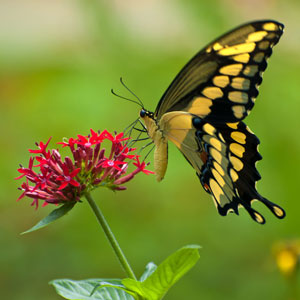
North America is wildly rich in butterflies and moths. In the United States and Canada alone, there are roughly 750 species of butterflies and a whopping 11,000 species of moths! With careful and painstaking research, more new species are still being discovered all the time!
Birds A-M
Birds N-W
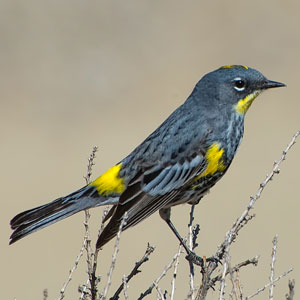
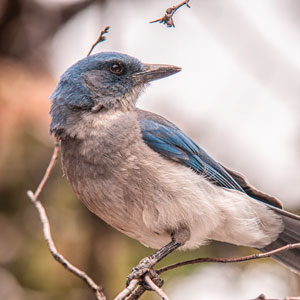
When it comes to birds, North America is fantastically rich in native species diversity. While some species are found all around the world, the vast majority are found only here and nowhere else.
Bison, Goats, Sheep
Squirrels, Chipmunks
Deer and Elk
Rabbits, Hares, Pikas
Rats, Mice, Voles
Seals and Sea Lions
Foxes, Wolves
Raccoons
Pigs
Pronghorns
Armadillos
Manatees
Bears
Weasels, Otters, Badgers
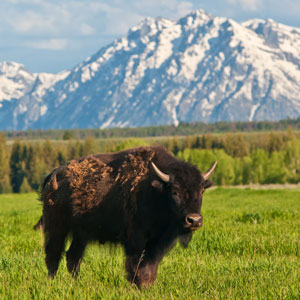
We mammals have come a long way since the time of the dinosaurs. We’ve conquered the land, sea and air. North America has more than 740 species alive today.
Dragonflies
Grasshoppers
Arachnids
Insects
Marine Invertebrates
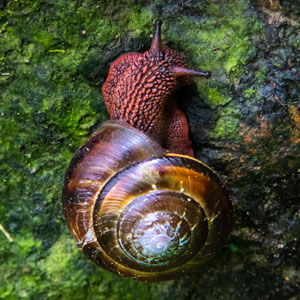
Snails, Mollusks
Crustaceans
Myriapods
96% of all currently living animal lifeforms alive today are invertebrates. Included are all the insects, arachnids, worms, crabs, shellfish, starfish, corals, and more! One thing they all have in common? No backbone.
Alligators, Crocodiles
Lizards
Snakes
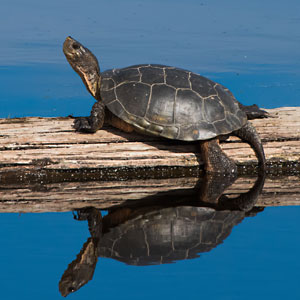
Turtles, Tortoises
Long before the first dinosaur walked the earth, reptiles ruled the world. 65 million years after the last dinosaur drew its final breath, North America’s modern crocodiles, alligators, snakes, lizards, and turtles and tortoises are still keeping our native natural history alive!
Tree Frogs
Toads
Spadefoots
True Frogs
Salamanders
Did you know the word “amphibian” means “two lives”? All amphibians start their lives in the underwater, but after they go through a series of metamorphosis stages to adulthood, most trade gills for lungs and live the rest of their lives out of the water.
Arethuseae
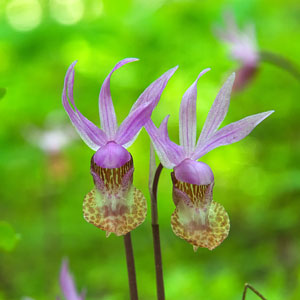
Calypsoeae
Cranichideae
Cymbidieae
Cypripedieae
Epidendreae
Malaxideae
Maxillarieae
Neottieae
Orchideae
Pogoniinae
Polystachyeae
Triphoreae
Vandeae
Vanilleae
One of the largest families in the plant kingdom with nearly 28 thousand species around the globe, orchids are also one of the most popular and most sought-after flowering plants in history. In Victorian times, entire foreign expeditions were sent around the world at great personal risk led by fearless (and often ruthless) orchid hunters to acquire the next new unknown exotic species from the most distant corner of the Earth. Luckily for us, North America is rich with unique native species found nowhere else in the world!
Wildflowers by Color
Wildflowers by Family
By far our largest collection of galleries, these wildflower image sets are arranged by both color and by taxonomic family for use as a casual identification tool or field guide, or for more thorough scientific research for deeper understanding.
Pitcher Plants
Venus Flytraps
Bladderworts
Butterworts
Sundews
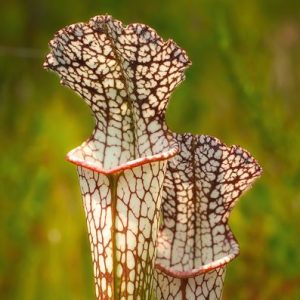
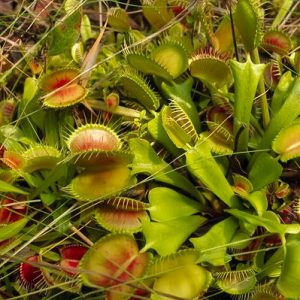
Sometimes called insectivorous plants, these amazing plants have adapted to a life in places where the soil is so poor in nutrients, that they’ve gained the ability to grow by trapping their food with modified leaves. By taking root in a harsh habitat, they have eliminated most of their competition from other plants.
Light-spored Gilled Mushrooms
Brown-spored Gilled Mushrooms
Dark-spored Gilled Mushrooms
Polypore and Crust Fungi
Morels
Jelly-like Fungi
Unique & Unusual Mushrooms
Puffballs
Club, Coral and Fan-like Fungi
Cup-fungi
Boletes
Lichens
Slime Molds
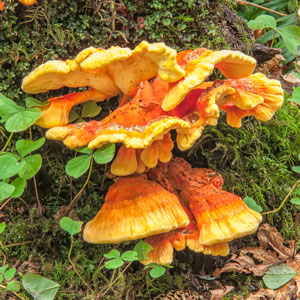
Without the enormous and nearly invisible world of fungi, there would be no forests or plants as we know them, no animals living, feeding and hunting in the forests and nothing to break down what organic matter is left. It’s this wonderful (and often weird) group that keeps nutrients moving and cycling through our world’s ecosystems.
Fruits and Berries
Cacti
Ferns
Bromeliads
Agaves and Yuccas
Palms
Saprophytes
Mosses
Horsetails
Deciduous Trees
Coniferous Trees
Botanical Images
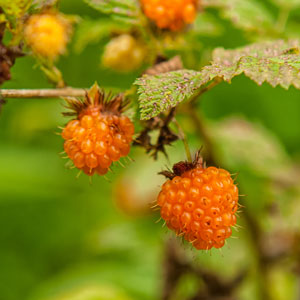
This last and final collection of galleries include all the non-wildflower images such as our native trees, ferns, palms, fruits and berries, cacti, saprophytes, mosses, bromeliads and more!
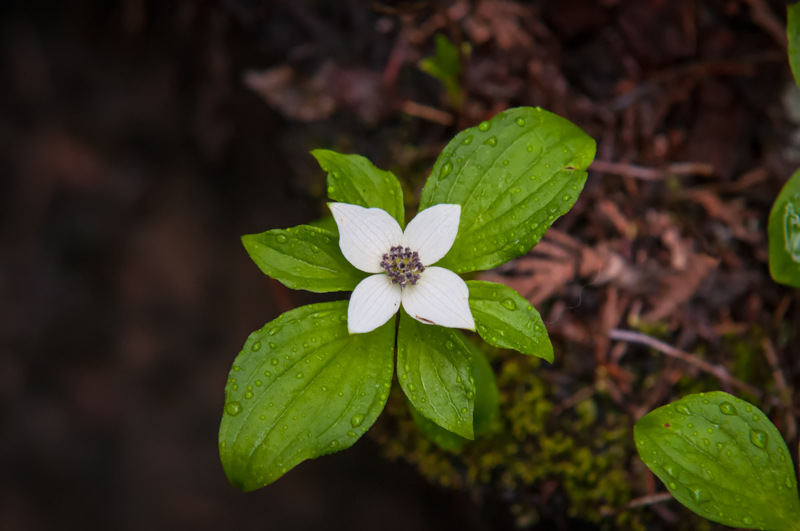
When we think of dogwoods, we think of those beautiful stately trees or bushes found around North America, but even though it's tiny, the lowly bunchberry is a groundcover plant found in a wide variety of habitats from our coastlines to the edge of the Arctic tundra...
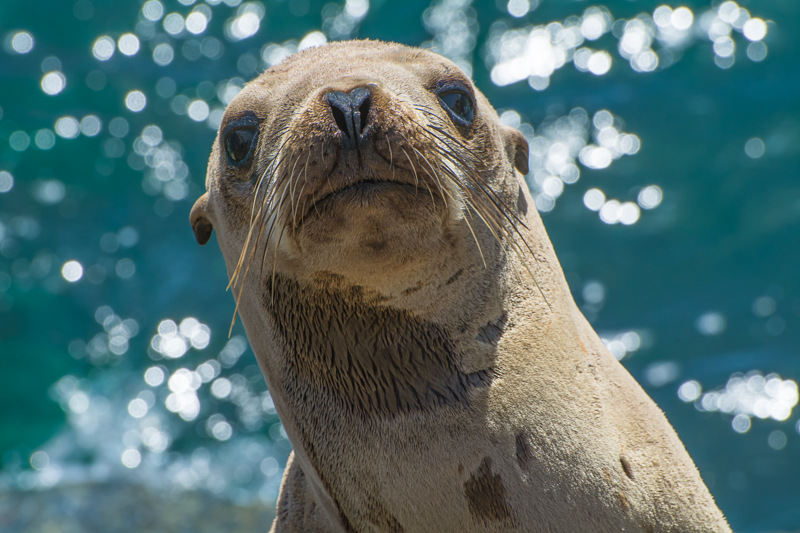
Sea Lions! Welcome to the next installment of a new series of nature photos that will be short & sweet, and all about the native and naturalized wildlife that is all around us with just one or two interesting nature facts that you might not know about. If you want...
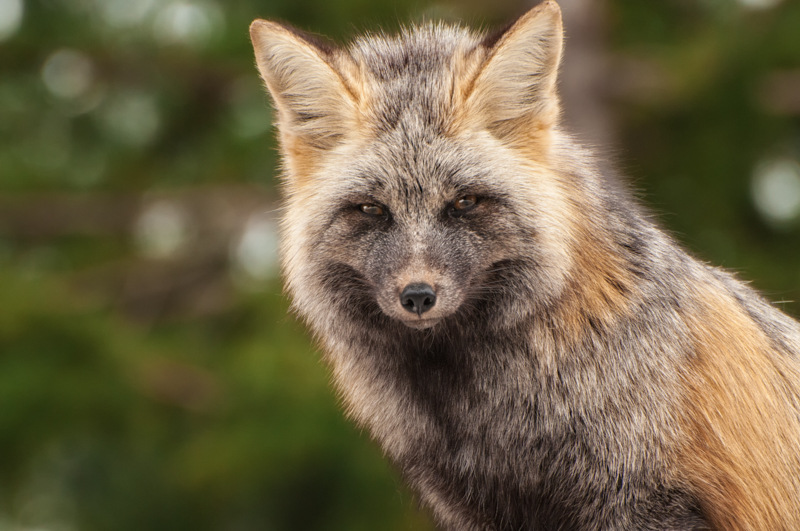
Foxes are digitigrade, which means they walk on their toes. Unlike most members of the Canidae family, foxes have partially retractable claws. MORE PHOTOS OF MAMMALS MORE INTERESTING NATURE FACTS Interesting Nature Facts is a series about the flora, fauna and places...
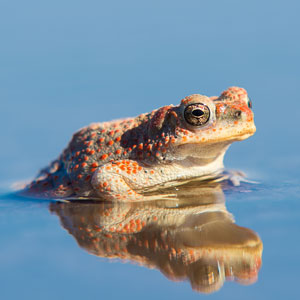
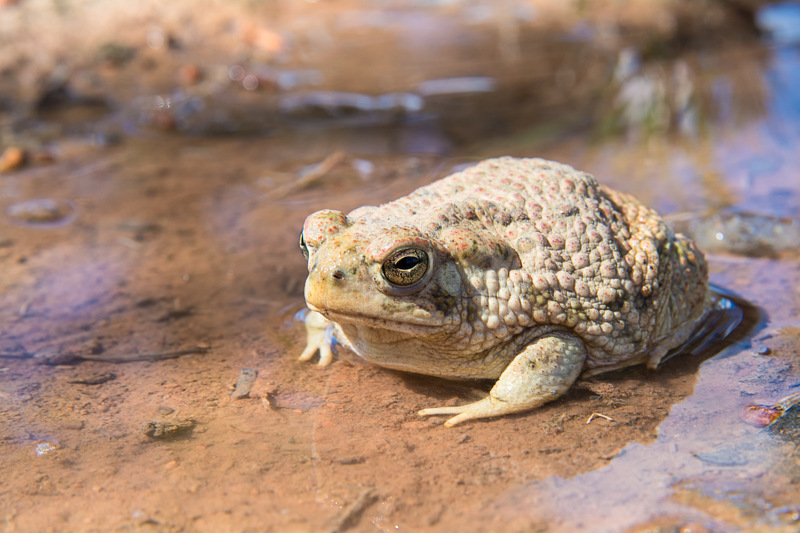
Common in Texas, Oklahoma and Northern Mexico, the Texas toad is the state amphibian of Texas and while living in a hot environment, can go dormant in the hottest months of the year by burying itself in mud or cooler soils until conditions become favorable again. MORE...
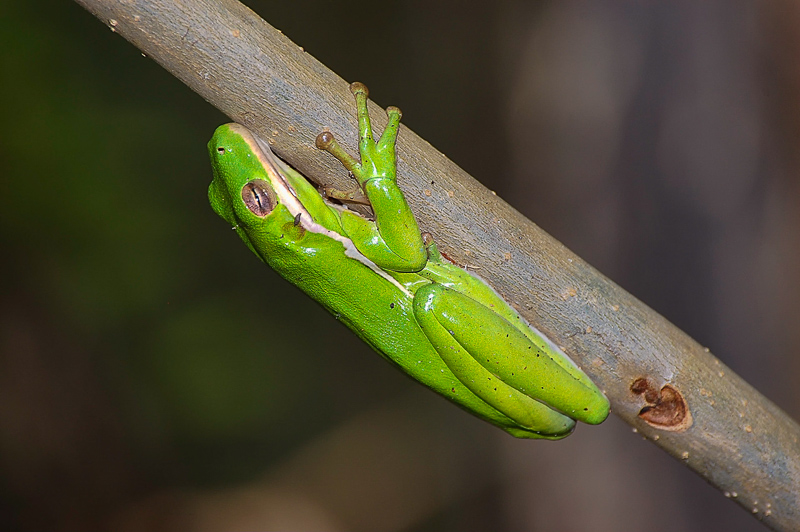
Frogs can't swallow with their eyes open, and don't drink - they absorb water through their skin! MORE PHOTOS OF AMPHIBIANS MORE INTERESTING NATURE FACTS Interesting Nature Facts is a series about the flora, fauna and places that make North America so amazing. Posts...
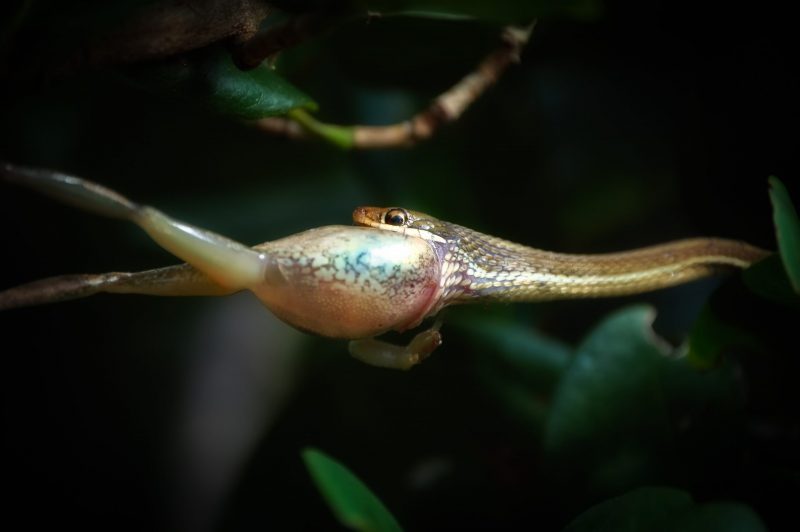
Snakes do not have a sternum. Floating ribs allow them to move side to side and swallow prey larger than their heads. MORE PHOTOS OF SNAKES MORE INTERESTING NATURE FACTS Interesting Nature Facts is a series about the flora, fauna and places that make North America so...
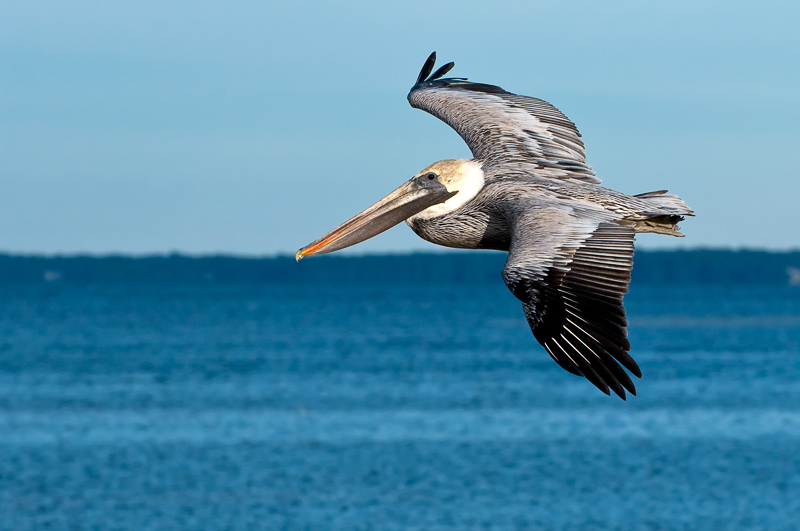
The brown pelican is the only species of pelicans that feeds by plunge-diving. The other pelicans scoop fish into their bills while swimming on the surface of the water. MORE PHOTOS OF PELICANS MORE INTERESTING NATURE FACTS Interesting Nature Facts is a series about...
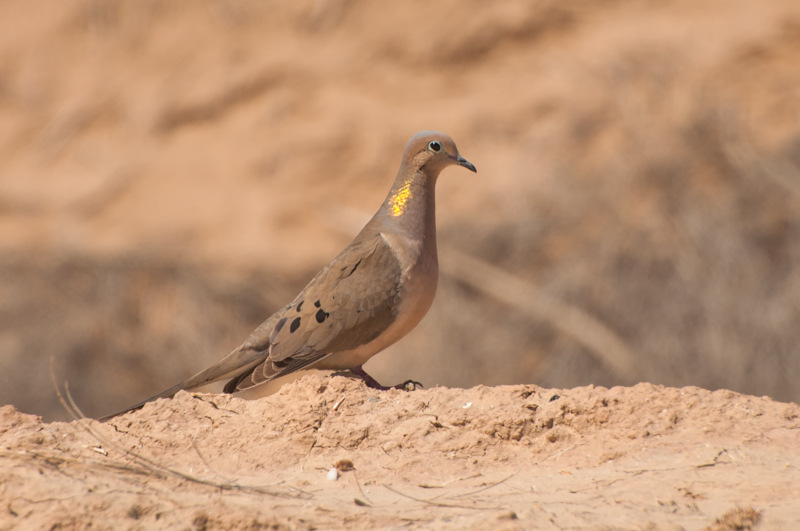
Unlike most birds, both sexes of doves and pigeons produce "crop milk" to feed to their young, secreted by a sloughing of fluid-filled cells from the lining of the crop. MORE PHOTOS OF BIRDS MORE INTERESTING NATURE FACTS Interesting Nature Facts is a series about the...
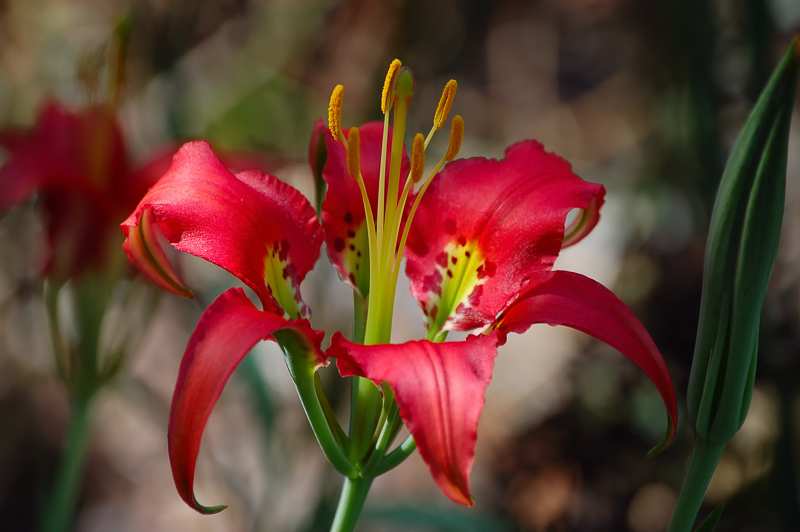
Also known as the Catesby's lily, the pine lily has the largest flower of any North American lily. In Florida, it is a state-listed threatened species. MORE PHOTOS OF LILIES MORE INTERESTING NATURE FACTS Interesting Nature Facts is a series about the flora, fauna and...
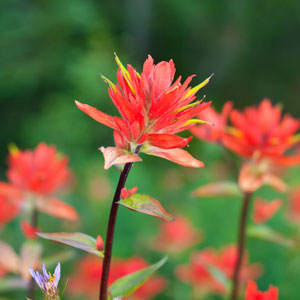
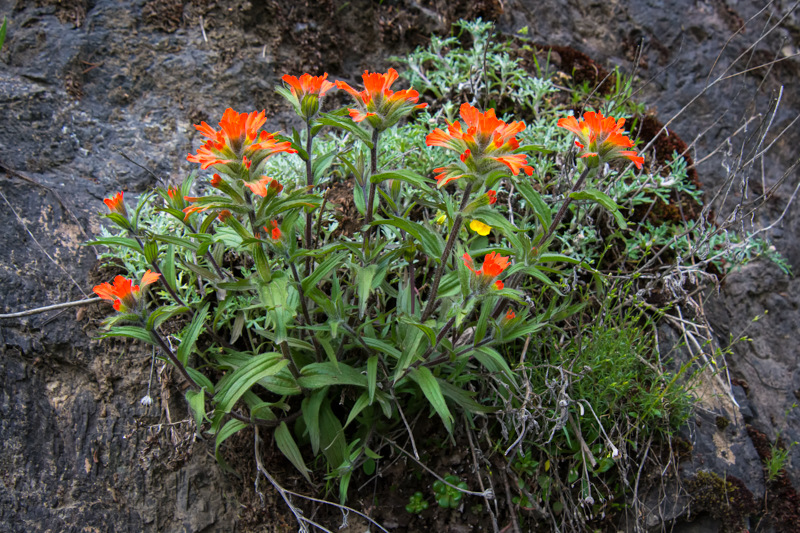
Native peoples around the continent have historically used the flowers of the Indian Paintbrush as a condiment for green salads, a hair tonic, and for various medicinal uses, but ingestion is generally not considered to be a good idea as it can be toxic in even low...


Recent Comments