From the rocky coasts of the Pacific Northwest’s mighty Pacific Ocean to the tops of the Canadian Rockies, through Florida Everglades’ River of Grass and across the painted deserts of the American Southwest then over the Appalachian Mountains … these galleries have a little bit of everything that the best of North American landscapes can offer.
Brushfoots
Gossamer Wings
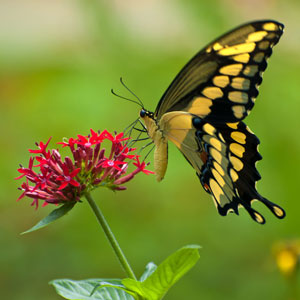
Swallowtails
Skippers
Sulphurs and Whites
Moths
Metalmarks
North America is wildly rich in butterflies and moths. In the United States and Canada alone, there are roughly 750 species of butterflies and a whopping 11,000 species of moths! With careful and painstaking research, more new species are still being discovered all the time!
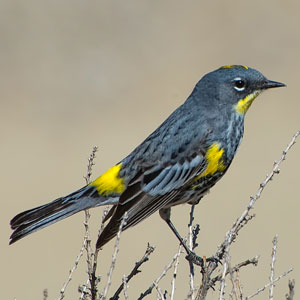
Birds A-M
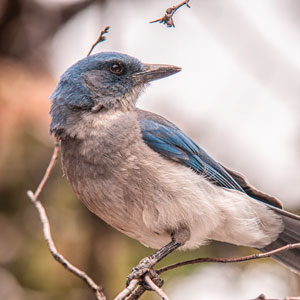
Birds N-W
When it comes to birds, North America is fantastically rich in native species diversity. While some species are found all around the world, the vast majority are found only here and nowhere else.
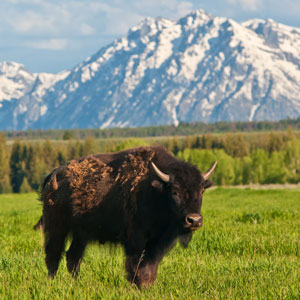
Bison, Goats, Sheep
Squirrels, Chipmunks
Deer and Elk
Rabbits, Hares, Pikas
Rats, Mice, Voles
Seals and Sea Lions
Foxes, Wolves
Raccoons
Pigs
Pronghorns
Armadillos
Manatees
Bears
Weasels, Otters, Badgers
We mammals have come a long way since the time of the dinosaurs. We’ve conquered the land, sea and air. North America has more than 740 species alive today.
Dragonflies
Grasshoppers
Arachnids
Insects
Marine Invertebrates
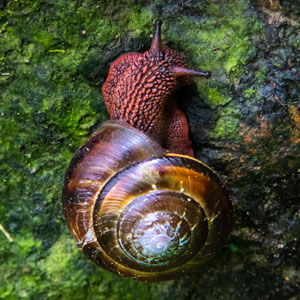
Snails, Mollusks
Crustaceans
Myriapods
96% of all currently living animal lifeforms alive today are invertebrates. Included are all the insects, arachnids, worms, crabs, shellfish, starfish, corals, and more! One thing they all have in common? No backbone.
Alligators, Crocodiles
Lizards
Snakes
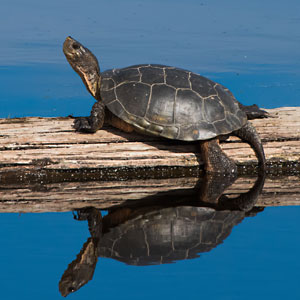
Turtles, Tortoises
Long before the first dinosaur walked the earth, reptiles ruled the world. 65 million years after the last dinosaur drew its final breath, North America’s modern crocodiles, alligators, snakes, lizards, and turtles and tortoises are still keeping our native natural history alive!
Tree Frogs
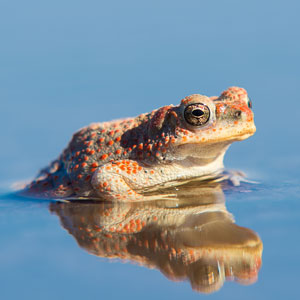
Toads
Spadefoots
True Frogs
Salamanders
Did you know the word “amphibian” means “two lives”? All amphibians start their lives in the underwater, but after they go through a series of metamorphosis stages to adulthood, most trade gills for lungs and live the rest of their lives out of the water.
Arethuseae
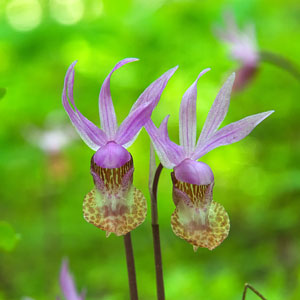
Calypsoeae
Cranichideae
Cymbidieae
Cypripedieae
Epidendreae
Malaxideae
Maxillarieae
Neottieae
Orchideae
Pogoniinae
Polystachyeae
Triphoreae
Vandeae
Vanilleae
One of the largest families in the plant kingdom with nearly 28 thousand species around the globe, orchids are also one of the most popular and most sought-after flowering plants in history. In Victorian times, entire foreign expeditions were sent around the world at great personal risk led by fearless (and often ruthless) orchid hunters to acquire the next new unknown exotic species from the most distant corner of the Earth. Luckily for us, North America is rich with unique native species found nowhere else in the world!
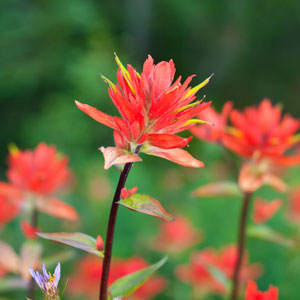
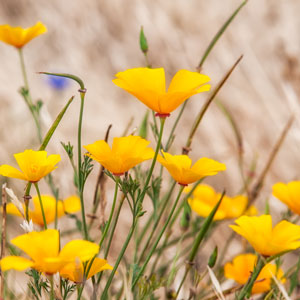
Wildflowers by Color
Wildflowers by Family
By far our largest collection of galleries, these wildflower image sets are arranged by both color and by taxonomic family for use as a casual identification tool or field guide, or for more thorough scientific research for deeper understanding.
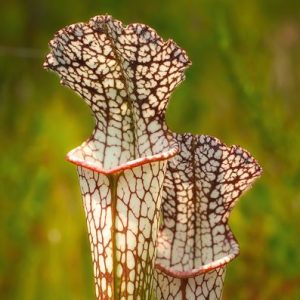
Pitcher Plants
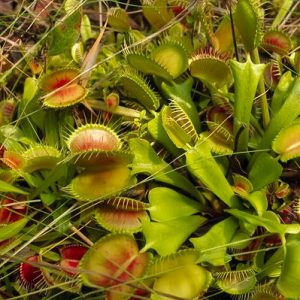
Venus Flytraps
Bladderworts
Butterworts
Sundews
Sometimes called insectivorous plants, these amazing plants have adapted to a life in places where the soil is so poor in nutrients, that they’ve gained the ability to grow by trapping their food with modified leaves. By taking root in a harsh habitat, they have eliminated most of their competition from other plants.
Light-spored Gilled Mushrooms
Brown-spored Gilled Mushrooms
Dark-spored Gilled Mushrooms
Polypore and Crust Fungi
Morels
Jelly-like Fungi
Unique & Unusual Mushrooms
Puffballs
Club, Coral and Fan-like Fungi
Cup-fungi
Boletes
Lichens
Slime Molds
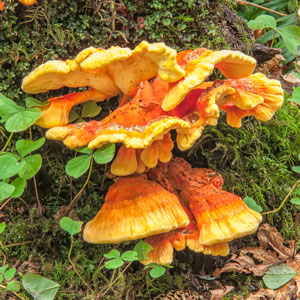
Without the enormous and nearly invisible world of fungi, there would be no forests or plants as we know them, no animals living, feeding and hunting in the forests and nothing to break down what organic matter is left. It’s this wonderful (and often weird) group that keeps nutrients moving and cycling through our world’s ecosystems.
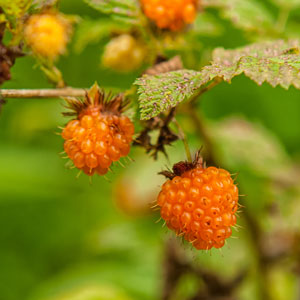
Fruits and Berries
Cacti
Ferns
Bromeliads
Agaves and Yuccas
Palms
Saprophytes
Mosses
Horsetails
Deciduous Trees
Coniferous Trees
Botanical Images
This last and final collection of galleries include all the non-wildflower images such as our native trees, ferns, palms, fruits and berries, cacti, saprophytes, mosses, bromeliads and more!
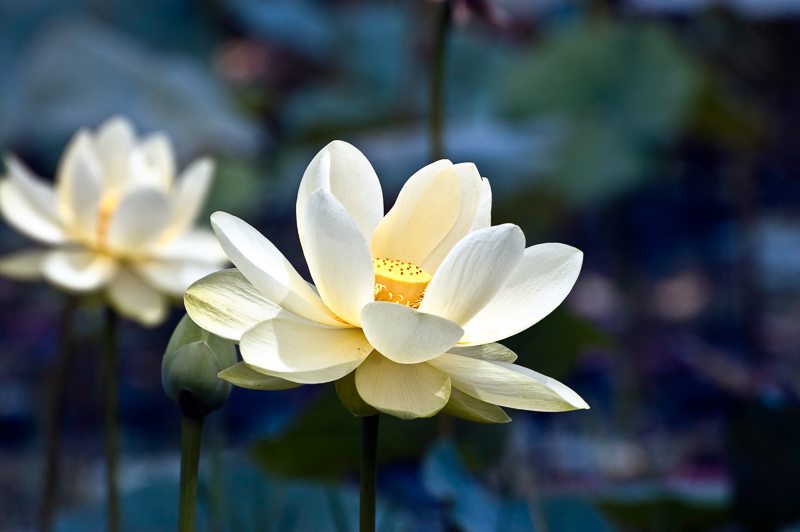
The American lotus has extraordinarily large and beautiful pale yellow native aquatic wildflower has two amazing characteristics: one - the large circular lily pads (leaves) do not get wet on top, and water forms beads on top if splashed or rained on, but even cooler...
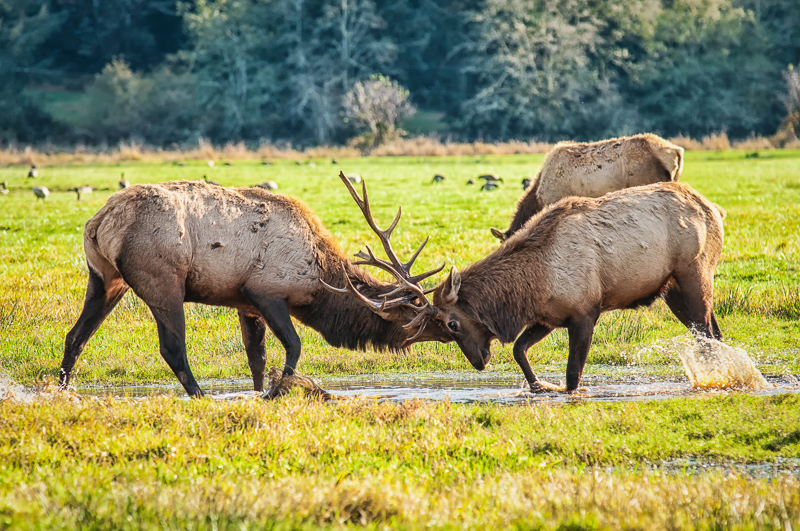
Elk are associated with love in many tribes, and Native American legends often credit elk with the creation of the first flute, an instrument used by men to woo women in many Native American cultures. MORE PHOTOS OF ELK AND OTHER MAMMALS MORE INTERESTING NATURE FACTS...
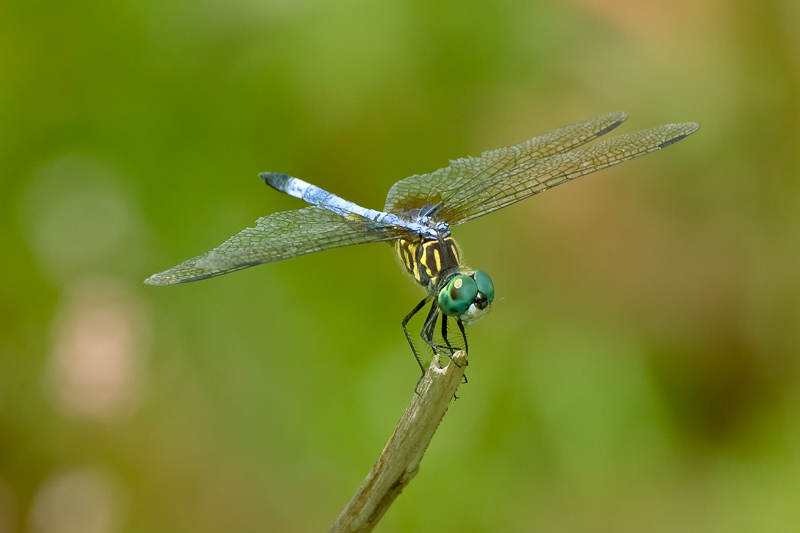
One of the fastest and most maneuverable of the world's winged insects, the dragonfly uses a method of catching prey called "hawking" where the dragonfly forms a basket with its hairy legs, scooping and eating up to 300 flying mosquitos every day of its week-long...
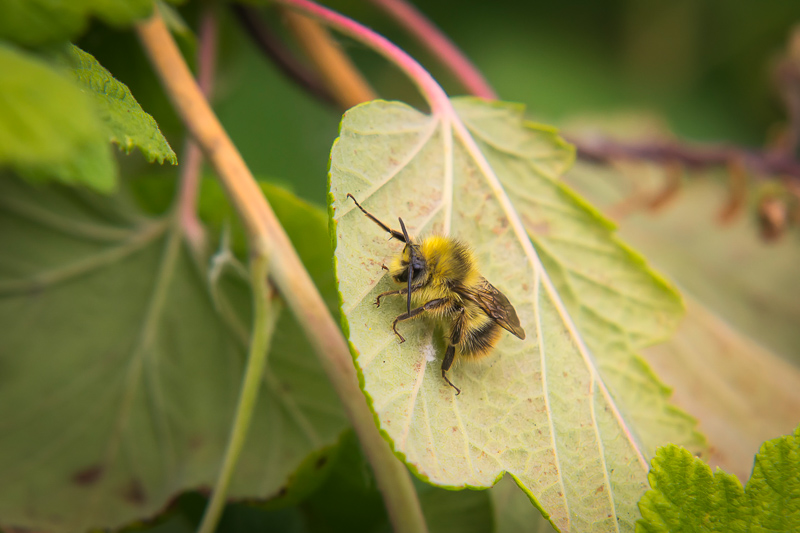
That distinct buzzing sound you hear from bumble bees isn't the noise from the rapidly beating wings, it's from the actual flight muscles. If you remove the wings on any bumblebee and it tries to fly, it will still make the same characteristic buzzing sound! Don't try...
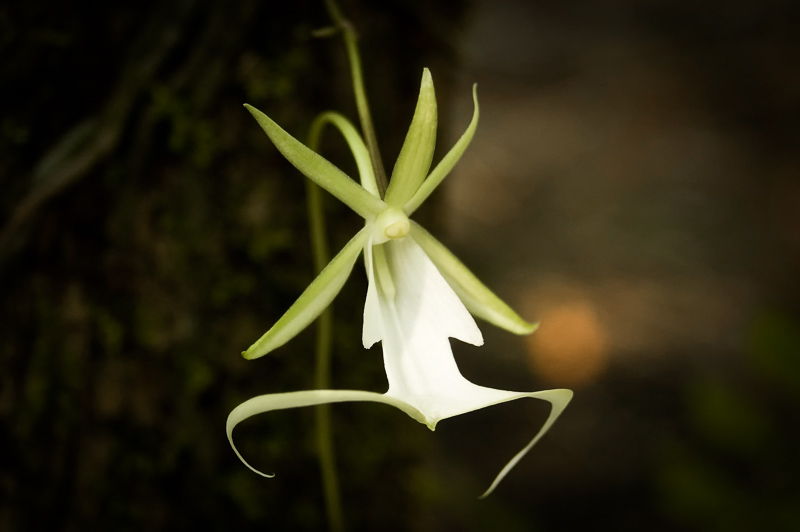
Probably the most famous of our southern native orchids, the rare, leafless and mysterious ghost orchid of South Florida, Cuba and the Bahamas is at home in the dark, humid swamps where it regularly skips a few to up to a dozen or more years between flowering. It is...
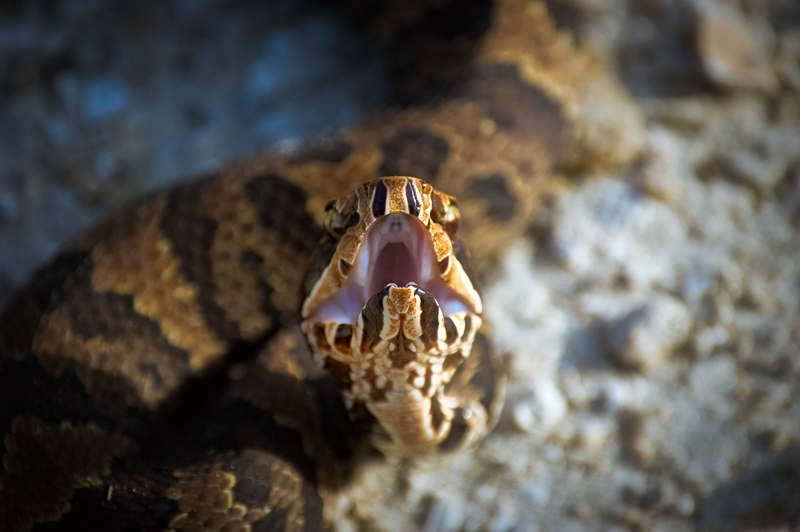
The cottonmouth, also known as the water moccasin, is the only semiaquatic viper, usually found in or near water, particularly in slow-moving and shallow lakes, streams, and marshes. The snake is a strong swimmer and even enters the sea. It has successfully colonized...
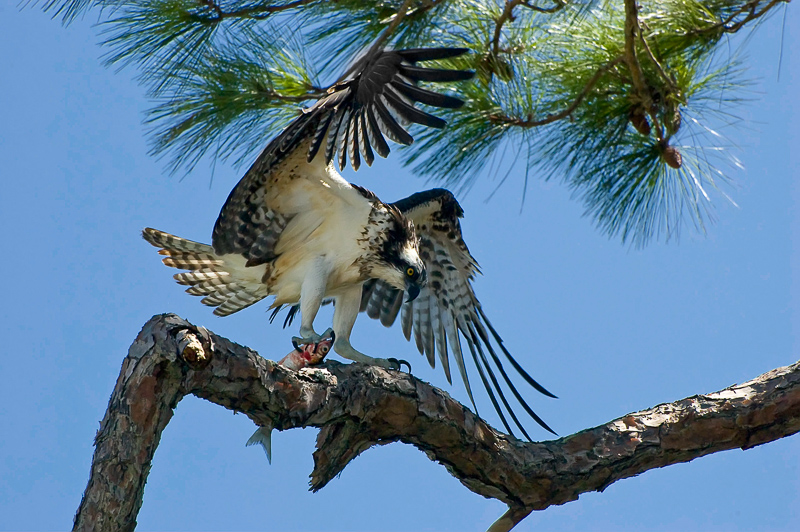
The only raptor in North America that dives into the water after fish, the osprey is the sole bird of prey to feed only on fish. Weighing only 3 pounds, this strong flyer with a 6 foot wingspan can carry a trout of 2 or 3 pounds. The osprey's only natural enemy, the...
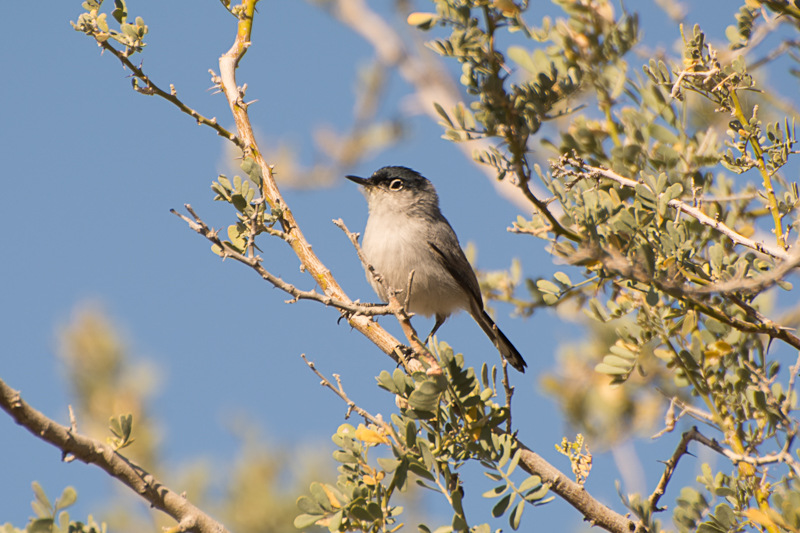
This male black-tailed gnatcatcher and his mate weren't very happy when I peered out of my tent in the bright Sonoran Desert morning in the Ajo Mountains of Southern Arizona's Pima County. I was scolded almost the entire time as I packed up my camera equipment and...
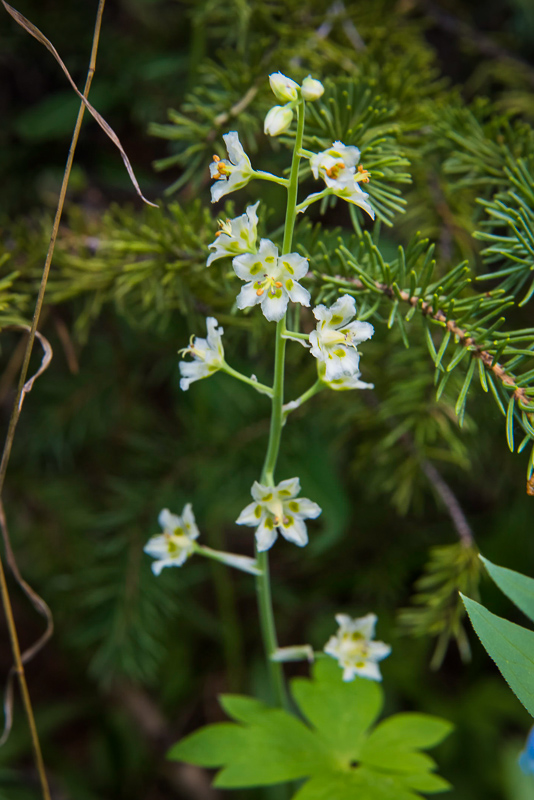
Following up on yesterday's post in the Halloween theme, today's post of another "spooky" bit of wildlife and nature - the mountain death camas. Over the summer I found myself in the Rocky Mountains looking for native orchids at around 8000-9000 feet, just below the...
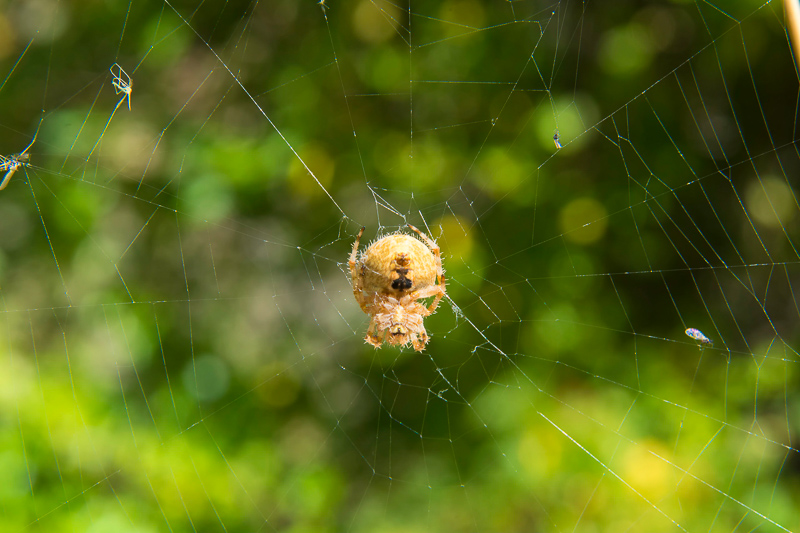
Recently I was out on a day off from the photography studio, working on a side project that involved foraging of lots of wild apples in one of my favorite recreation places in the foothills of the Cascade Mountains. While I did have a camera with me (just in case,...


Recent Comments