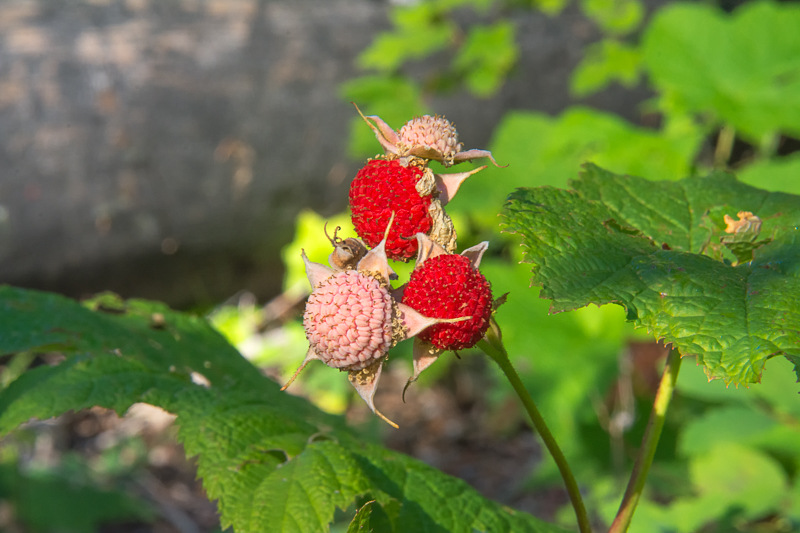
by Rich Leighton | Sep 1, 2018 | Food, Foraging, Fruits & Berries, Interesting Nature Facts, Nature & Wildlife, Pacific Northwest
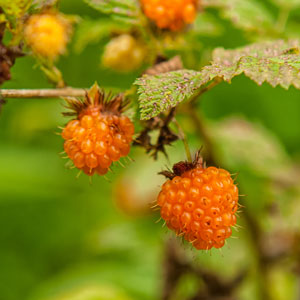
The raspberry-like thimbleberry is one of those common members of the rose family that has been used for untold centuries by the Native American tribes. Not only are the berries (usually) sweet and full of Vitamin C, the fresh shoots can be eaten fresh and leaves can...
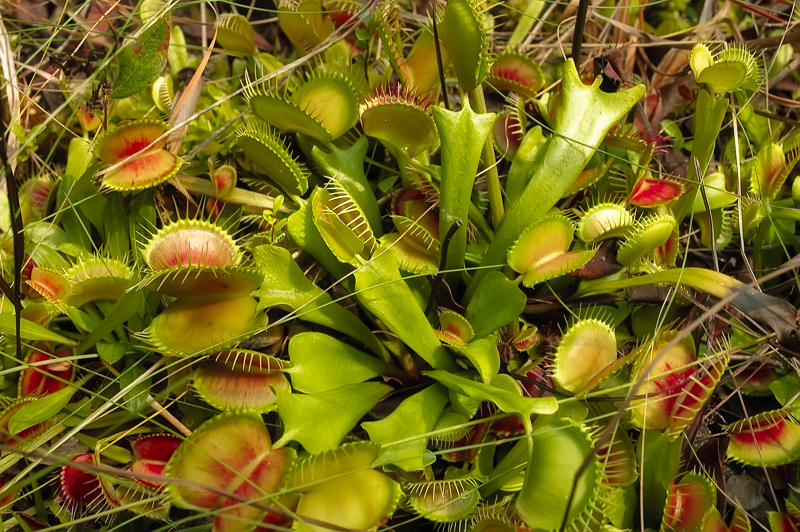
by Rich Leighton | Aug 27, 2018 | Carnivorous Plants, Florida, Florida Nature Photography, Interesting Nature Facts, Nature & Wildlife
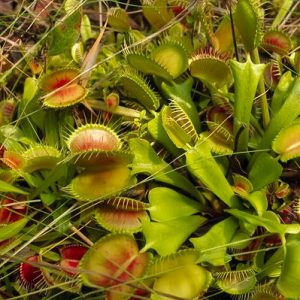
The Venus flytrap is a small carnivorous plant. The trap at the end of a leaf snaps closed on its prey, usually an insect, when sensitive hairs inside the trap have been triggered twice within 20 seconds. This way the plant does not waste energy on non-food objects....
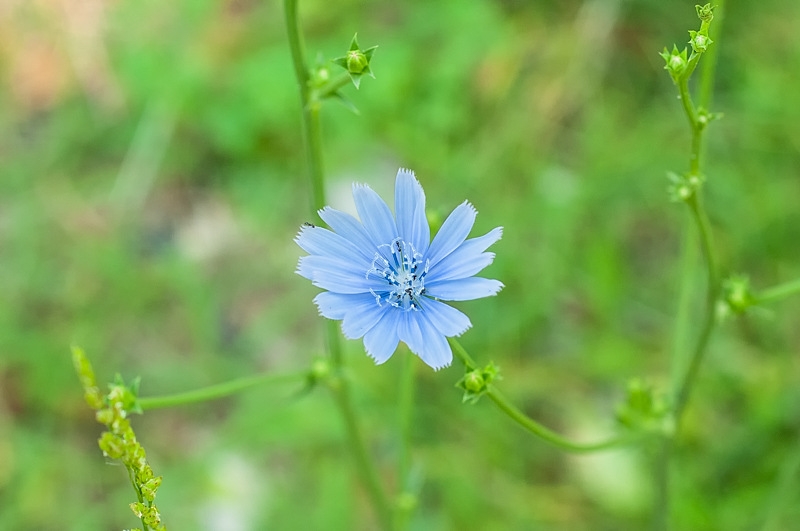
by Rich Leighton | Aug 22, 2018 | Asteraceae, Interesting Nature Facts, Natural History, Nature & Wildlife, Wildflowers
Chicory – native to Europe, this strikingly beautiful blue wildflower is now found growing wild all across North America and is a very important food for livestock, and as a coffee substitute or coffee-additive. Anyone familiar with some of the wonderful coffees...
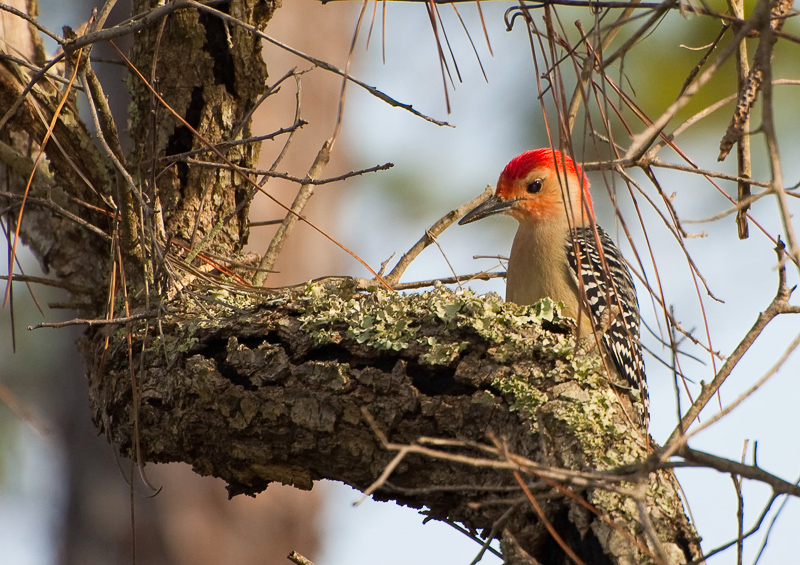
by Rich Leighton | Aug 12, 2018 | Birds, Interesting Nature Facts, Natural History, Nature & Wildlife
With roughly 20 species of native woodpeckers and their sapsucker relatives found across North America, woodpeckers are nature’s loudest headbangers. Woodpeckers slam their beaks against wood with a force 1,000 times that of gravity. That’s 20 times more force...
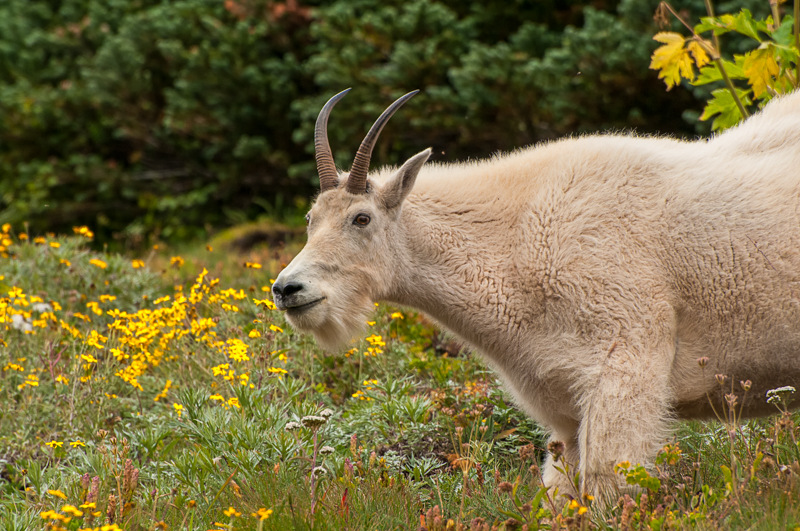
by Rich Leighton | Aug 7, 2018 | Interesting Nature Facts, Mammals, Natural History, Nature & Wildlife
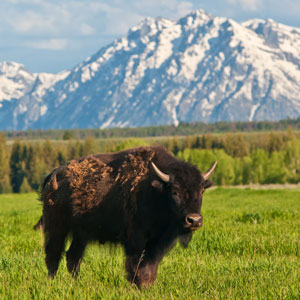
Male mountain goats have evolved an unusual method of fighting in the rut season. Because their skulls and horns are not strong enough to take the impact of head-to-head collisions like their cousins the bison and bighorn sheep, they have developed very thick skin at...
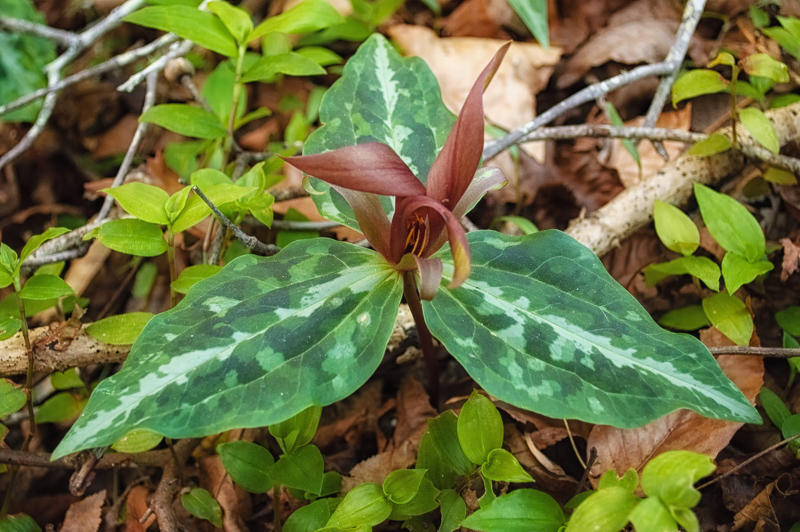
by Rich Leighton | Aug 2, 2018 | Interesting Nature Facts, Melanthiaceae, Natural History, Nature & Wildlife, Wildflowers
Trilliums use ants for seed dispersal. Ants are attracted to the elaiosomes (external “food bodies”) on the seeds and collect them and transport them away from the parent plant. MORE PHOTOS OF TRILLIUMS MORE INTERESTING NATURE FACTS Interesting Nature...


Recent Comments