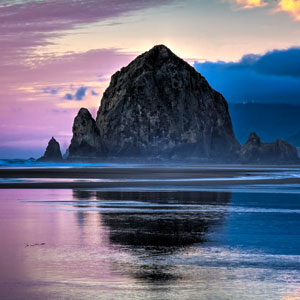
From the rocky coasts of the Pacific Northwest’s mighty Pacific Ocean to the tops of the Canadian Rockies, through Florida Everglades’ River of Grass and across the painted deserts of the American Southwest then over the Appalachian Mountains … these galleries have a little bit of everything that the best of North American landscapes can offer.
Brushfoots
Gossamer Wings
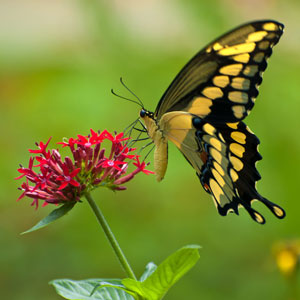
Swallowtails
Skippers
Sulphurs and Whites
Moths
Metalmarks
North America is wildly rich in butterflies and moths. In the United States and Canada alone, there are roughly 750 species of butterflies and a whopping 11,000 species of moths! With careful and painstaking research, more new species are still being discovered all the time!
Birds A-M
Birds N-W
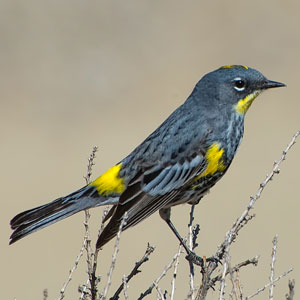
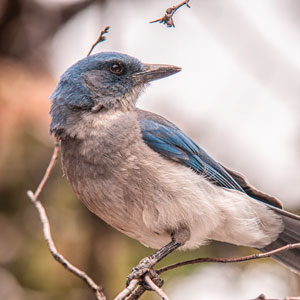
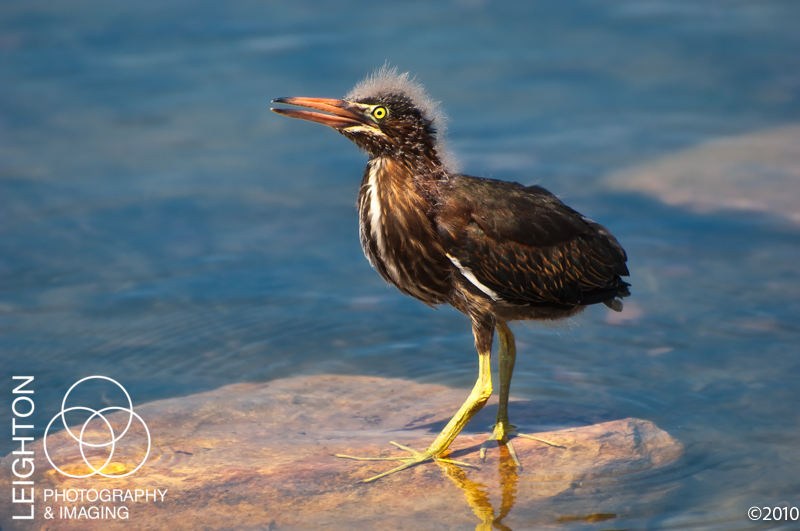
When it comes to birds, North America is fantastically rich in native species diversity. While some species are found all around the world, the vast majority are found only here and nowhere else.
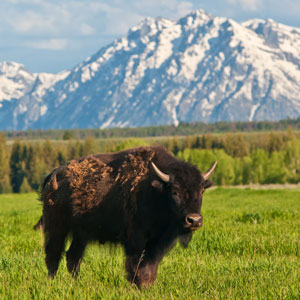
Bison, Goats, Sheep
Squirrels, Chipmunks
Deer and Elk
Rabbits, Hares, Pikas
Rats, Mice, Voles
Seals and Sea Lions
Foxes, Wolves
Raccoons
Pigs
Pronghorns
Armadillos
Manatees
Bears
Weasels, Otters, Badgers
We mammals have come a long way since the time of the dinosaurs. We’ve conquered the land, sea and air. North America has more than 740 species alive today.
Dragonflies
Grasshoppers
Arachnids
Insects
Marine Invertebrates
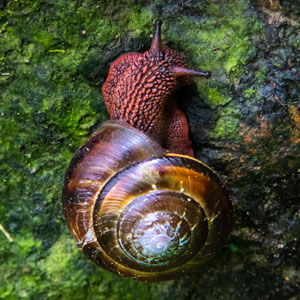
Snails, Mollusks
Crustaceans
Myriapods
96% of all currently living animal lifeforms alive today are invertebrates. Included are all the insects, arachnids, worms, crabs, shellfish, starfish, corals, and more! One thing they all have in common? No backbone.
Alligators, Crocodiles
Lizards
Snakes
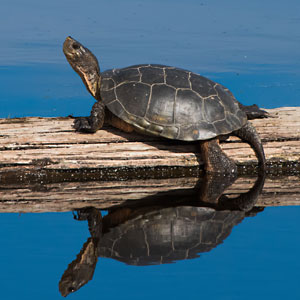
Turtles, Tortoises
Long before the first dinosaur walked the earth, reptiles ruled the world. 65 million years after the last dinosaur drew its final breath, North America’s modern crocodiles, alligators, snakes, lizards, and turtles and tortoises are still keeping our native natural history alive!
Tree Frogs
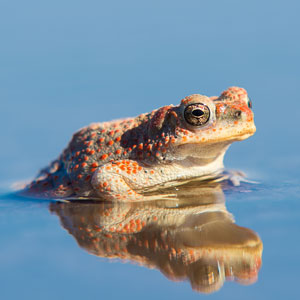
Toads
Spadefoots
True Frogs
Salamanders
Did you know the word “amphibian” means “two lives”? All amphibians start their lives in the underwater, but after they go through a series of metamorphosis stages to adulthood, most trade gills for lungs and live the rest of their lives out of the water.
Arethuseae
Calypsoeae
Cranichideae
Cymbidieae
Cypripedieae
Epidendreae
Malaxideae
Maxillarieae
Neottieae
Orchideae
Pogoniinae
Polystachyeae
Triphoreae
Vandeae
Vanilleae
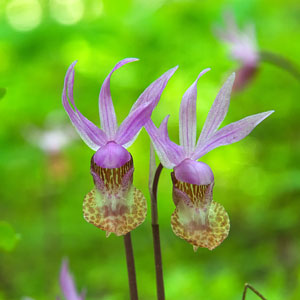
One of the largest families in the plant kingdom with nearly 28 thousand species around the globe, orchids are also one of the most popular and most sought-after flowering plants in history. In Victorian times, entire foreign expeditions were sent around the world at great personal risk led by fearless (and often ruthless) orchid hunters to acquire the next new unknown exotic species from the most distant corner of the Earth. Luckily for us, North America is rich with unique native species found nowhere else in the world!
Wildflowers by Color
Wildflowers by Family
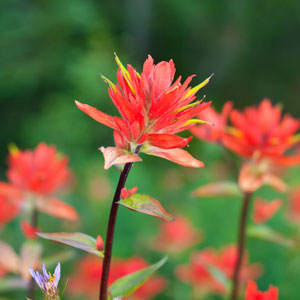
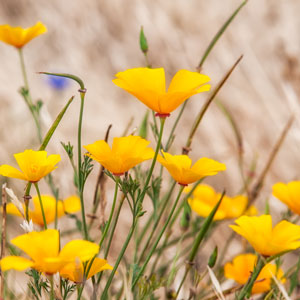
By far our largest collection of galleries, these wildflower image sets are arranged by both color and by taxonomic family for use as a casual identification tool or field guide, or for more thorough scientific research for deeper understanding.
Pitcher Plants
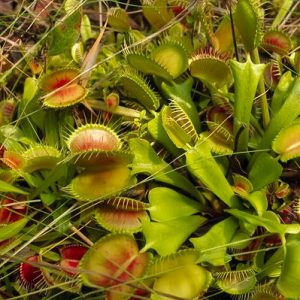
Venus Flytraps
Bladderworts
Butterworts
Sundews
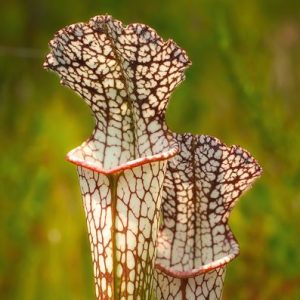
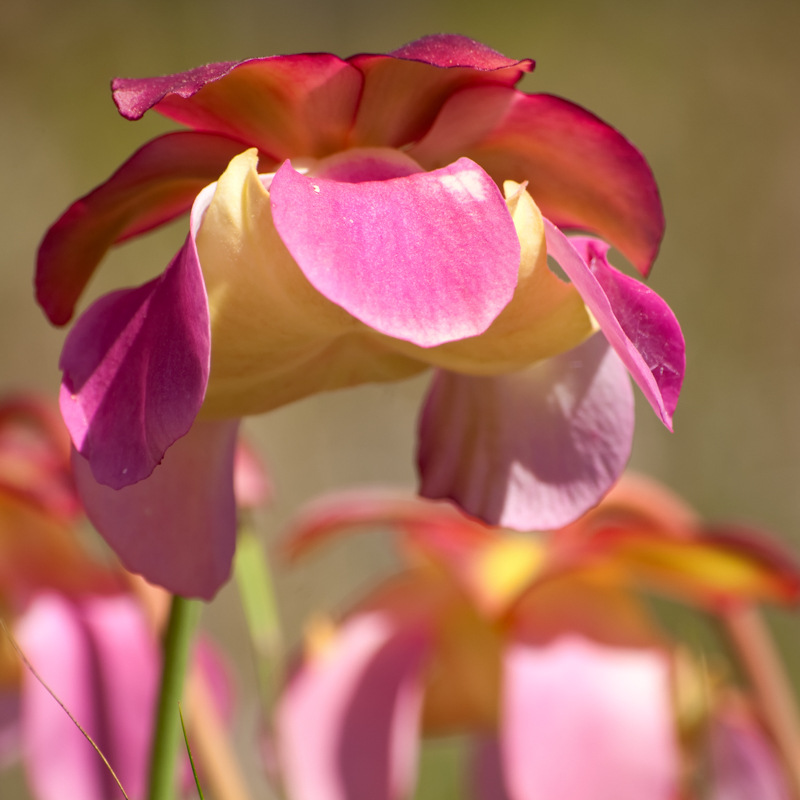
Sometimes called insectivorous plants, these amazing plants have adapted to a life in places where the soil is so poor in nutrients, that they’ve gained the ability to grow by trapping their food with modified leaves. By taking root in a harsh habitat, they have eliminated most of their competition from other plants.
Light-spored Gilled Mushrooms
Brown-spored Gilled Mushrooms
Dark-spored Gilled Mushrooms
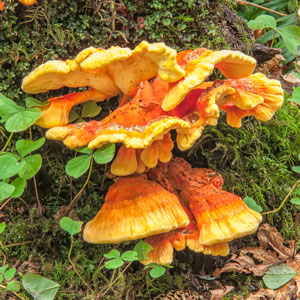
Polypore and Crust Fungi
Morels
Jelly-like Fungi
Unique & Unusual Mushrooms
Puffballs
Club, Coral and Fan-like Fungi
Cup-fungi
Boletes
Lichens
Slime Molds
Without the enormous and nearly invisible world of fungi, there would be no forests or plants as we know them, no animals living, feeding and hunting in the forests and nothing to break down what organic matter is left. It’s this wonderful (and often weird) group that keeps nutrients moving and cycling through our world’s ecosystems.
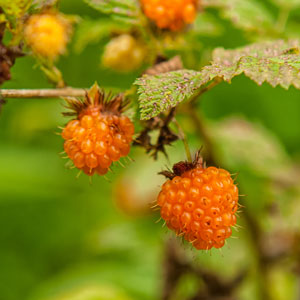
Fruits and Berries
Cacti
Ferns
Bromeliads
Agaves and Yuccas
Palms
Saprophytes
Mosses
Horsetails
Deciduous Trees
Coniferous Trees
Botanical Images
This last and final collection of galleries include all the non-wildflower images such as our native trees, ferns, palms, fruits and berries, cacti, saprophytes, mosses, bromeliads and more!
One of the most common bits of advice that I've heard given to budding new nature photographers is that you don't have to go far from home to get the best shots. I've heard this many times over the years, and I've given this same advice on many occasions. All too...
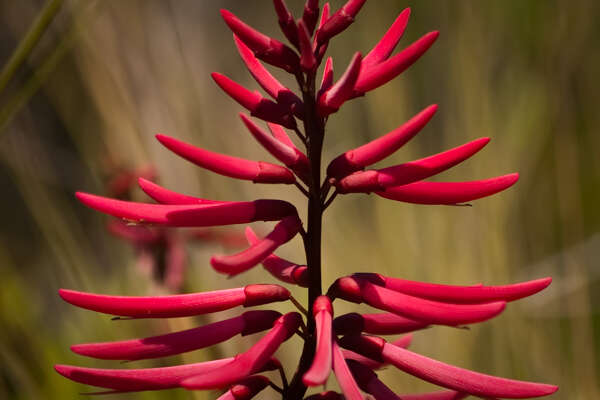
The coral bean (Erythrina herbacea), also known as the Cherokee bean or the red cardinal, is a common springtime bloomer found all over the state of Florida. I've seen them in dense woodlands, sandy pine scrubs, and growing in hardwood hammocks at the edges of swamps....
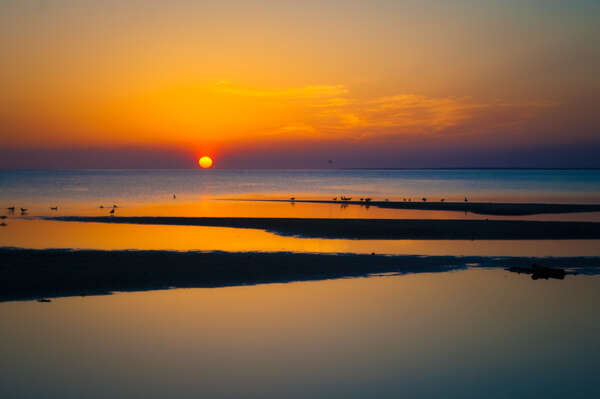
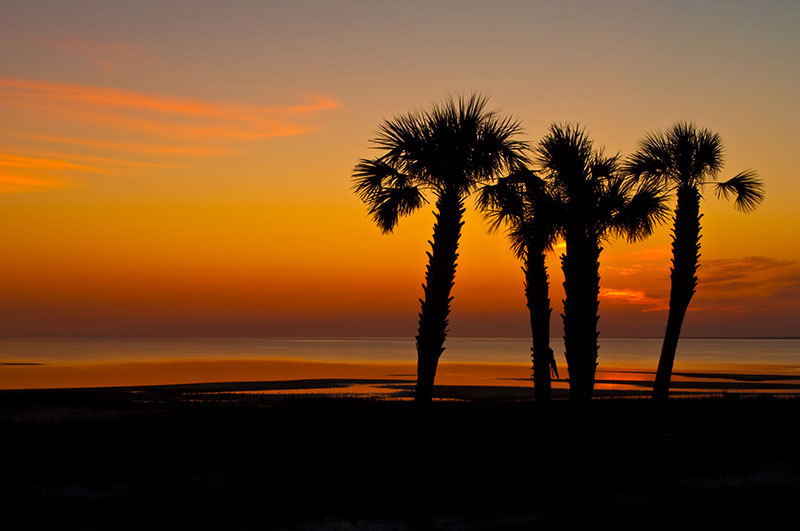
Sometimes it just happens this way. It suddenly gets quiet. The wind dies down. The birds become silent and get settled for the night. A sudden hush falls over the wilderness, and then the sun slips into the sea, and the world goes to sleep.
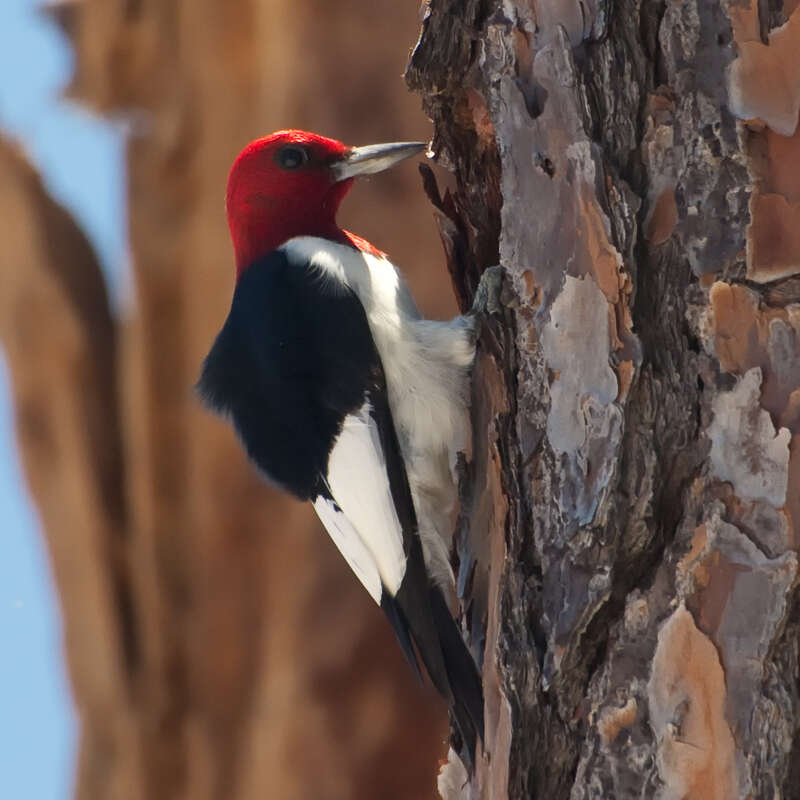
One of the most difficult birds for me to find in Florida has been the red-headed woodpecker (Melanerpes erythrocephalus). It is a very skittish bird – even for a woodpecker, and tends to avoid people if encountered. I’ve seen them only a couple of times in the Osceola National Forest north of Gainesville and in remote areas near the Georgia border north of Tallahassee, and only from a distance of at least five hundred feet.
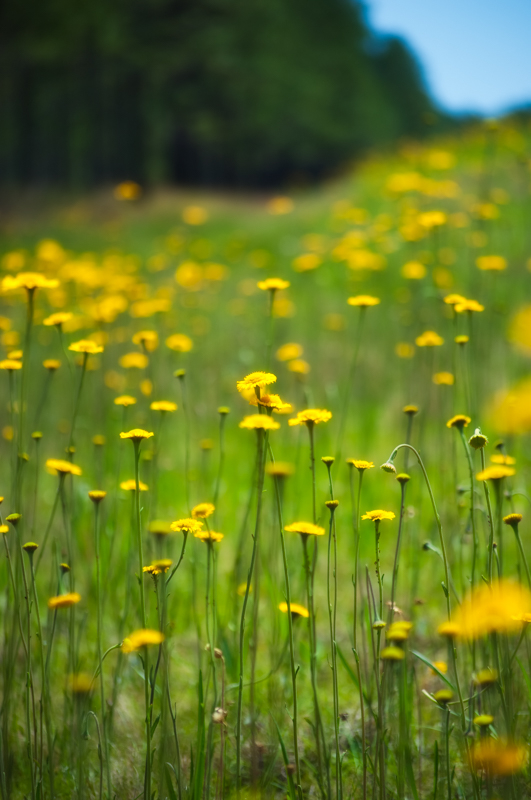
For Florida springtime wildflowers, there is no place better than the Apalachicola National Forest. By mid-April (a little later this year due to the long winter) the sides of many of the roads are glittering with a rainbow of the most vivid colors and hues that...
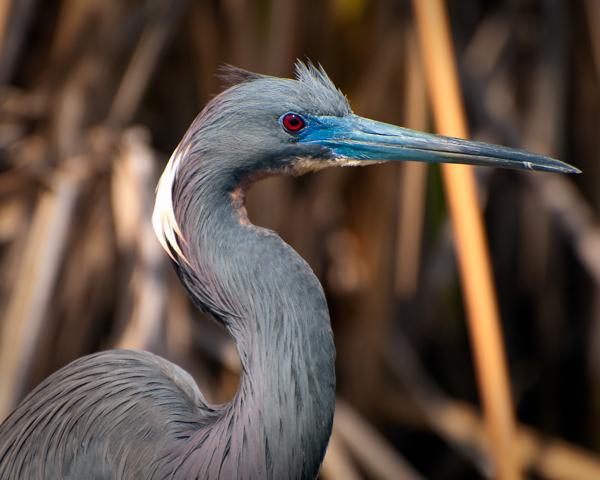
Last month I was in the Big Cypress National Preserve looking for new material forwww.FloridaNaturePhotography.com – particularly birds in breeding plumage when I spotted this amazing tricolored heron on the side of the road. It was in the most resplendent of breeding colors. Bright blue beak and face, deep blood-red eyes, violet and blue-gray plumage, completed with snowy white plumes at the back of its crown. Just gorgeous!
The Apalachicola National Forest is very large and mostly rural tract in North Florida's Panhandle region - an area known for its rich and abundant wildlife, beautiful longleaf pine woodlands, isolated Appalachian/Carolina-region species, and for the botanists...
As a working nature photographer, there are two parts of every day that decide my daily schedule when I'm in the field. It isn't when I actually start thinking about work and deciding to call it a day, and it isn't when I arrive to my destination and start/stop...
Two days ago, I returned from a fantastic photography trip where I finally met up with Terry Collins - another native Floridian landscape photographer who I'd been looking forward to meeting for quite some time. Our goal was to photograph the sand dunes of the St....
For much of this past month, I've been away from home - traveling almost constantly, and loading up on all kinds of new photographs of my home state of Florida. I've been trying out new and different techniques, a couple new lenses, and keeping company with a number...


Recent Comments