by Rich Leighton | Oct 26, 2018 | Birds, Interesting Nature Facts, Natural History, Nature & Wildlife, Nature Photography
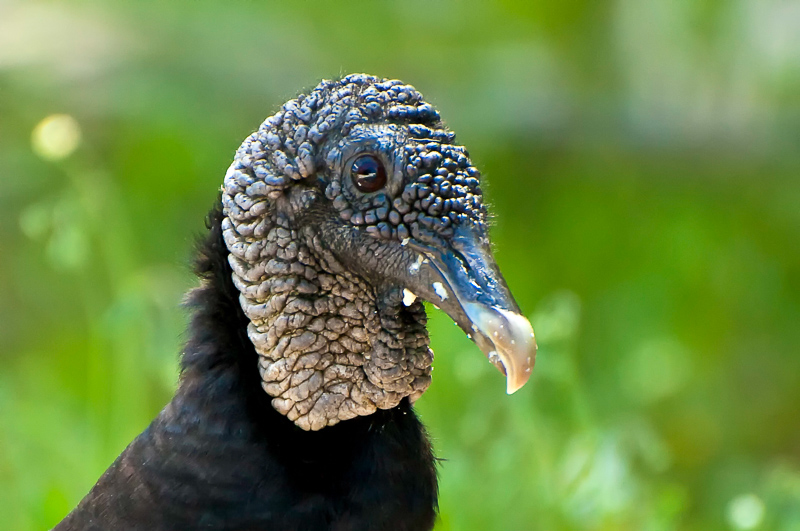
Why don’t we see a lot of dead animals in the wild? You can thank the reviled vulture. They eat the dead as fast as they can be found, protecting all of us from disease and sickness. MORE PHOTOS OF BIRDS MORE INTERESTING NATURE FACTS Interesting Nature Facts is...
by Rich Leighton | Oct 11, 2018 | American Southwest, Birds, Interesting Nature Facts, Natural History, Nature & Wildlife, Nature Photography
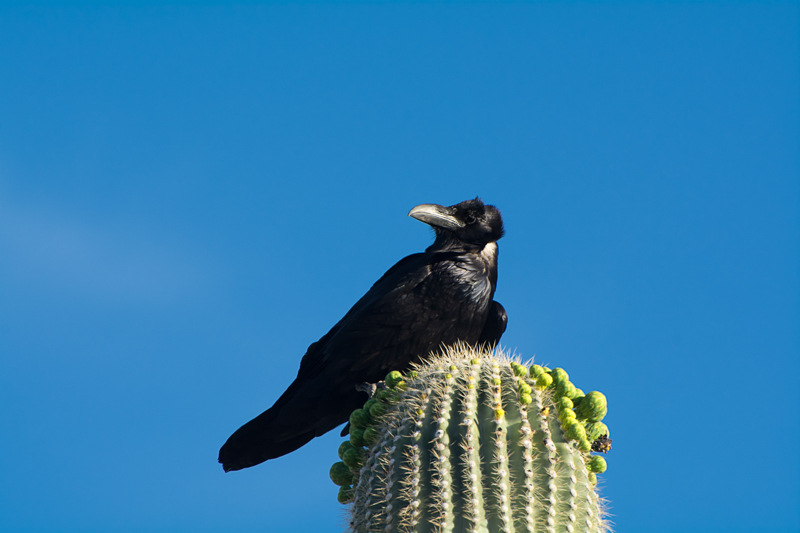
The bases of neck and body feathers of a Chihuahuan raven are white, not gray like those of other American crows and ravens. The white is difficult to see in the field, and is only revealed by wind blowing the feathers, or when a bird fluffs its feathers to display at...
by Rich Leighton | Aug 12, 2018 | Birds, Interesting Nature Facts, Natural History, Nature & Wildlife
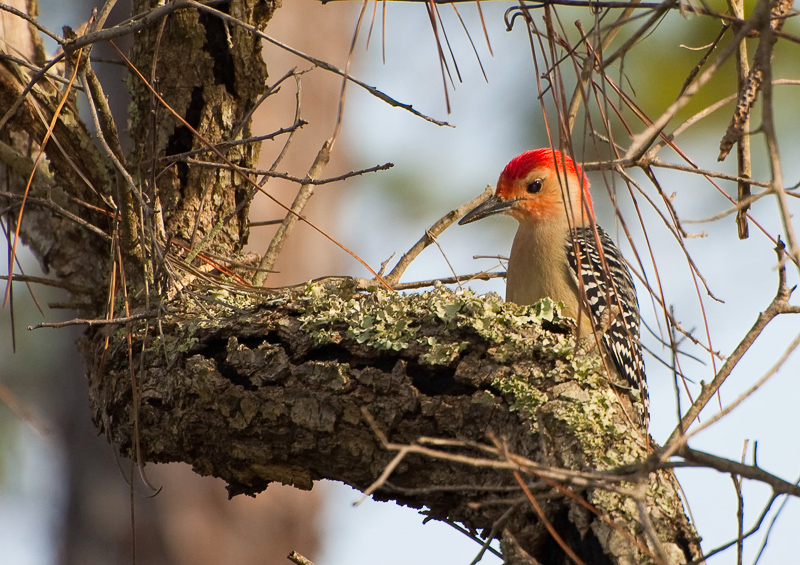
With roughly 20 species of native woodpeckers and their sapsucker relatives found across North America, woodpeckers are nature’s loudest headbangers. Woodpeckers slam their beaks against wood with a force 1,000 times that of gravity. That’s 20 times more force...
by Rich Leighton | Jul 28, 2018 | Birds, Interesting Nature Facts, Natural History, Nature & Wildlife
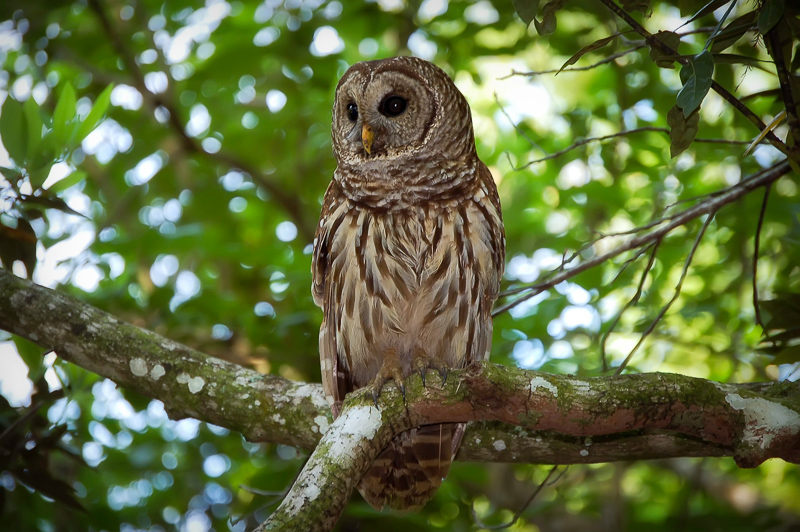
Owls don’t have eyeballs. Rather, they’re more like eye tubes. They’re elongated and held in place by “sclerotic rings,” a bony structure in the skull. Because of this, owls can’t really move or roll their eyes. That’s why...
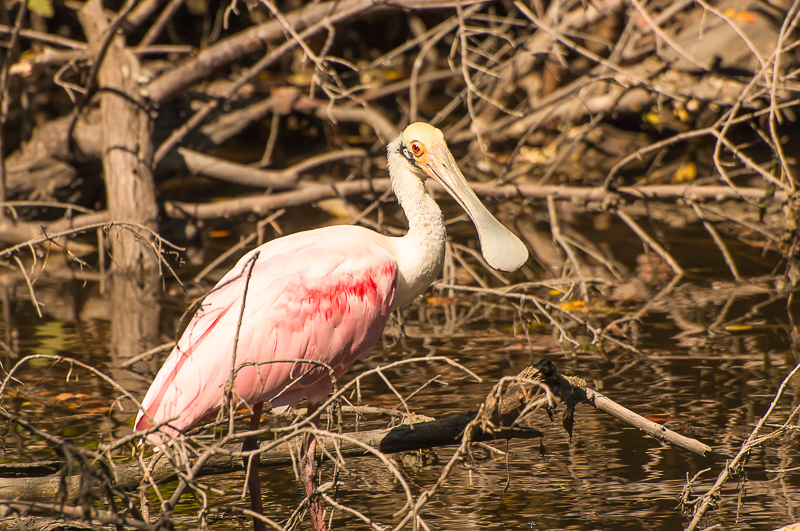
by Rich Leighton | Jul 23, 2018 | Birds, Florida, Florida Nature Photography, Interesting Nature Facts, Natural History, Nature & Wildlife
The roseate spoonbill is a beautifully plumed wading bird with a long bill shaped like a spatula. They were almost driven to extinction by plume hunters at the turn of the century. Still rare, but recovering, they can be seen wading in coastal areas. MORE PHOTOS OF...
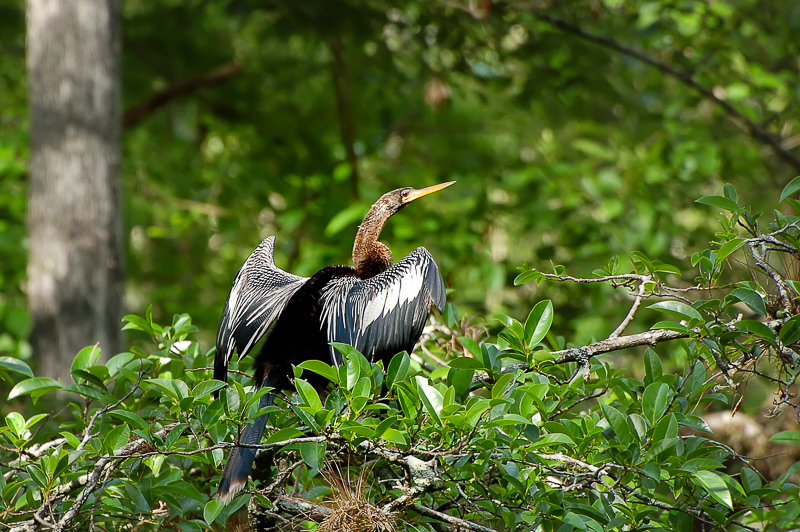
by Rich Leighton | May 14, 2018 | Birds, Florida, Interesting Nature Facts, Natural History, Nature & Wildlife
The anhinga is barely buoyant with dense bones and non-waterproof feathers, but because of this it can stay underwater more easily and hunt for longer periods of time. Afterwards it will stand with spread wings to dry its feathers. MORE PHOTOS OF ANHINGAS MORE...



Recent Comments