by Rich Leighton | Mar 10, 2019 | Interesting Nature Facts, Invertebrates, Natural History, Nature & Wildlife
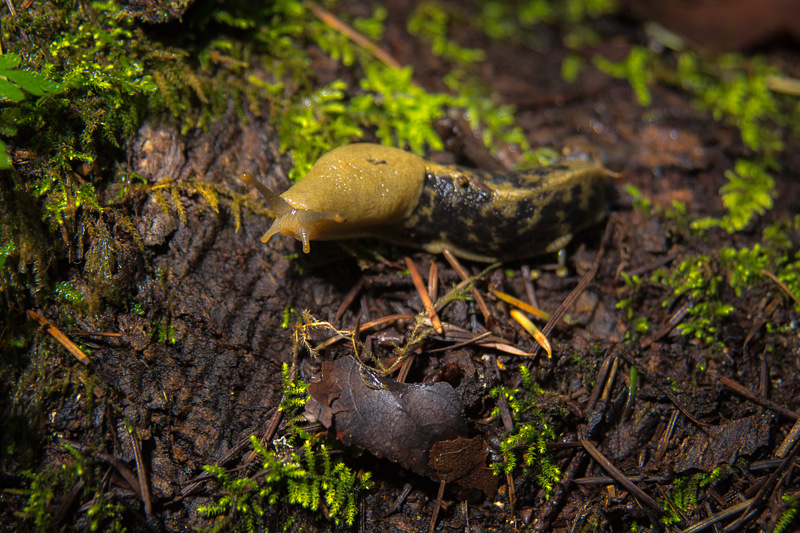
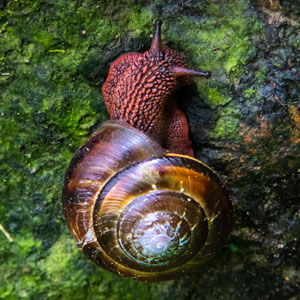
Banana slugs have two pairs of tentacles, both of which can be retracted to protect them from the environment. The larger pair of tentacles are used to sense the brightness of light. The smaller pair are used to sense smells. MORE PHOTOS OF INVERTEBRATES MORE...
by Rich Leighton | Mar 5, 2019 | Birds, Florida Nature Photography, Interesting Nature Facts, Natural History, Nature & Wildlife
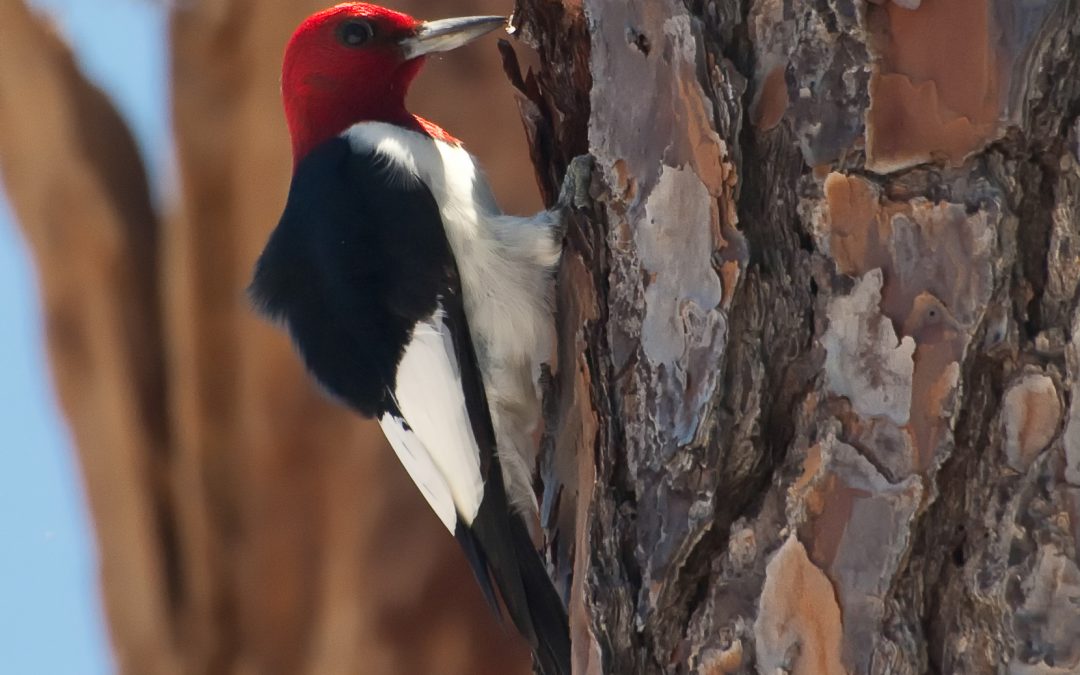
Woodpeckers have zygodactyl feet with four toes, the first and fourth facing backward and the second and third facing forward. This helps them grasp branches and tree trunks and enables them to walk vertically up a tree. MORE PHOTOS OF BIRDS MORE INTERESTING NATURE...
by Rich Leighton | Feb 28, 2019 | Interesting Nature Facts, Natural History, Nature & Wildlife, Wildflowers
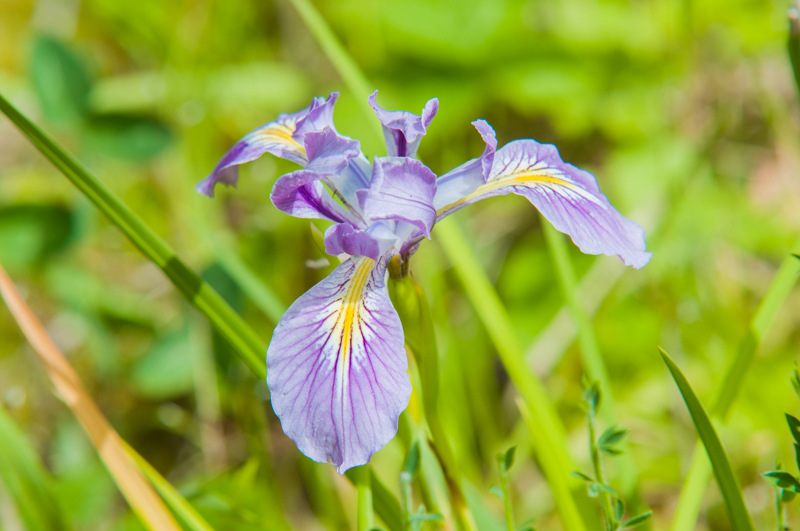
The leaves of the Oregon iris are so strong that early explorers in the Pacific Northwest recorded Native Americans using the leaves to make snares for large mammals – even elk! The scientific name, Iris tenax means tough iris. MORE PHOTOS OF IRISES MORE...
by Rich Leighton | Feb 23, 2019 | Colorado, Interesting Nature Facts, Maxillarieae, Native Orchids, Natural History, Nature & Wildlife, Orchidaceae
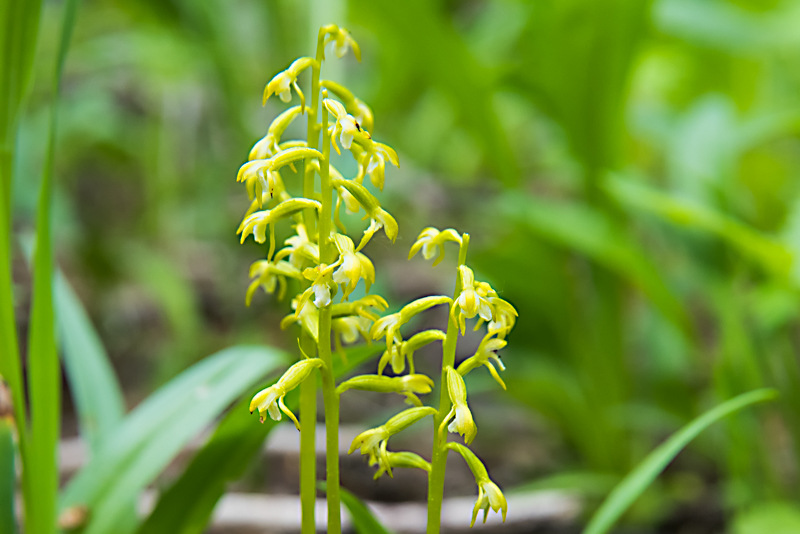
The yellow coralroot is unusual compared to other members of the Corallorhiza genus in that it is the only one that produces its own chlorophyll like nearly all green plants (hence the yellowish-green color) and is only partially parasitic on the surrounding plants...
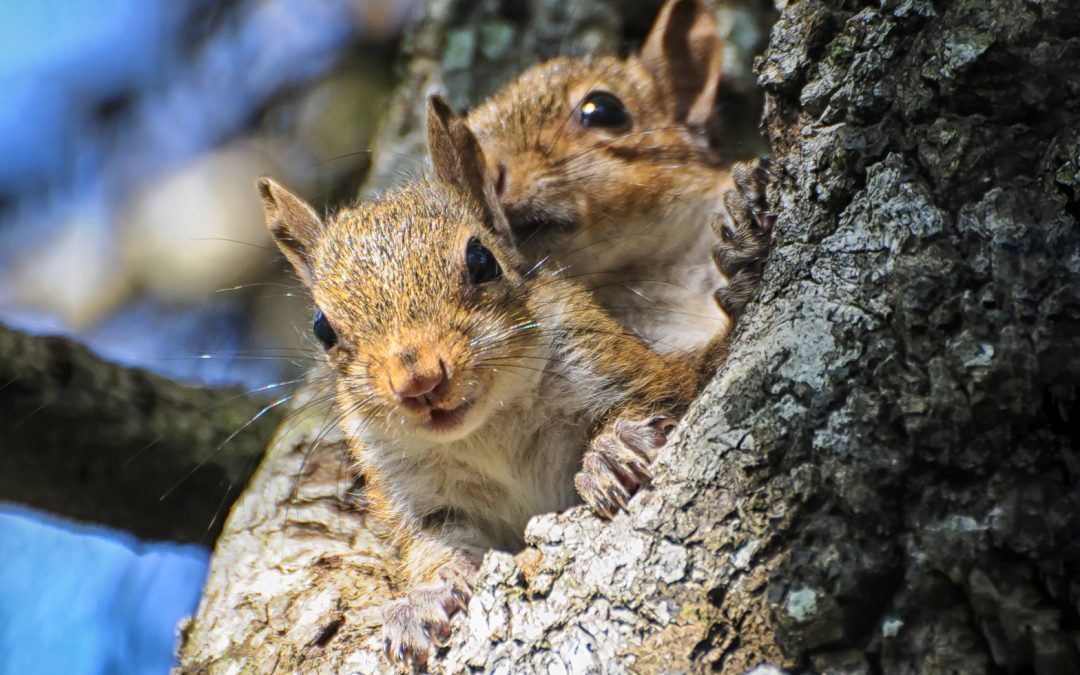
by Rich Leighton | Feb 18, 2019 | Interesting Nature Facts, Mammals, Natural History, Nature & Wildlife
Next time you are in a forest or thick woods, you may want to thank your local squirrels. Millions of trees are accidentally planted each year by squirrels that bury seeds, nuts and acorns and then forget where they hid them or get eaten before they can retrieve them....
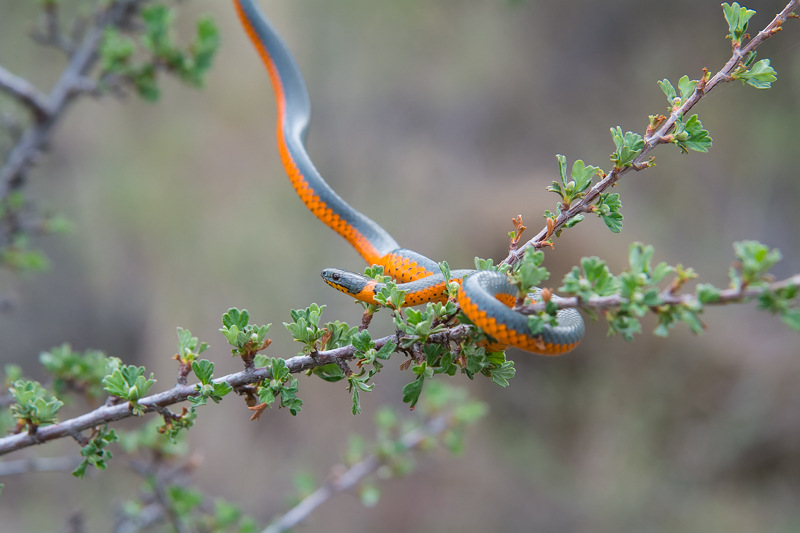
by Rich Leighton | Feb 13, 2019 | Interesting Nature Facts, Natural History, Nature & Wildlife, Reptiles, Snakes
The ringneck snake is a mildly venomous (harmless to people) colubrid that feeds on a variety of animals such as lizards, frogs, slugs, tiny salamanders, bugs, earthworms and smaller snakes. MORE PHOTOS OF SNAKES MORE INTERESTING NATURE FACTS Interesting Nature Facts...





Recent Comments