by Rich Leighton | Sep 11, 2018 | American Southwest, Interesting Nature Facts, Landscape, Natural History, Nature & Wildlife, Utah
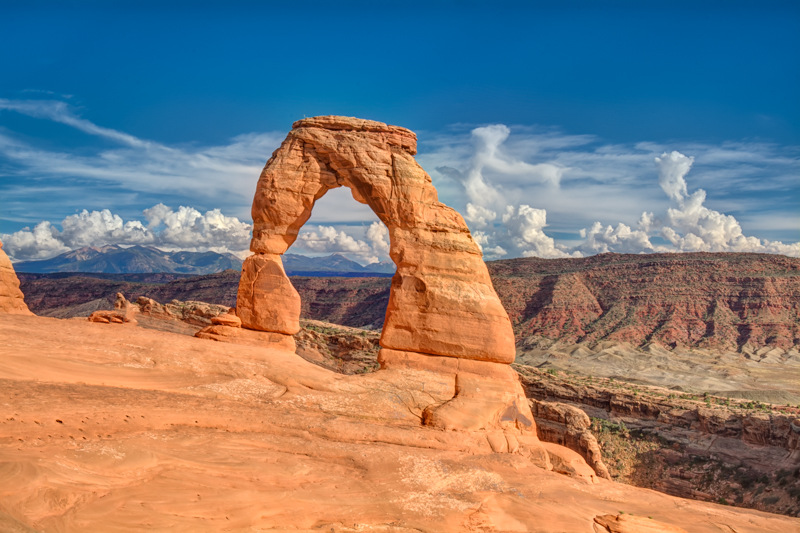
The Moab Desert in eastern Utah has a very interesting history and ecosystem. The human history can be traced back over 10,000 years, and the first signs of humans appeared as signs carved into indigenous rock formations found in several places. Hundreds of species of...
by Rich Leighton | Sep 6, 2018 | American Southwest, Interesting Nature Facts, Landscape, Natural History, Nature & Wildlife, New Mexico
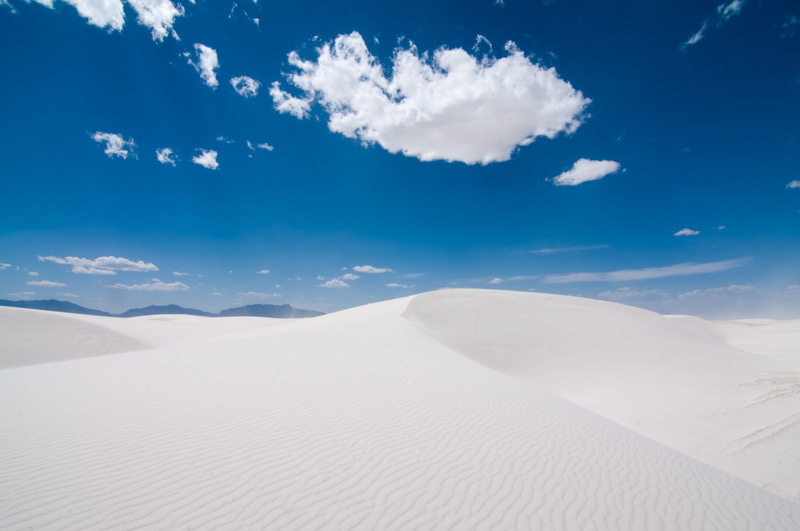
Only a handful of gypsum dunefields exist and New Mexico’s White Sands dunefield is by far the world’s largest, covering 275 square miles. MORE PHOTOS OF DESERTS MORE INTERESTING NATURE FACTS Interesting Nature Facts is a series about the flora, fauna and places...
by Rich Leighton | Sep 1, 2018 | Food, Foraging, Fruits & Berries, Interesting Nature Facts, Nature & Wildlife, Pacific Northwest
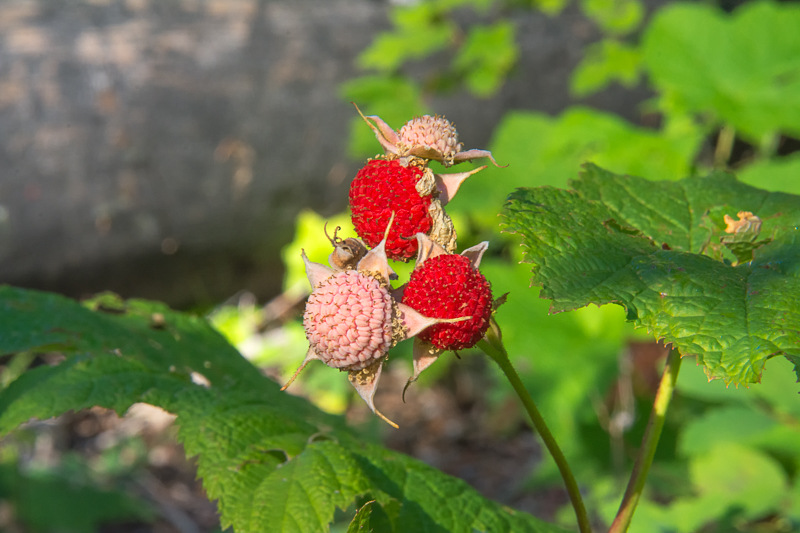
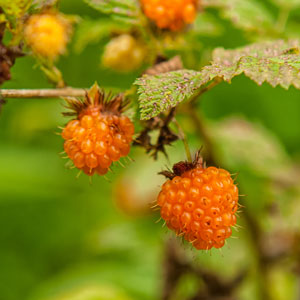
The raspberry-like thimbleberry is one of those common members of the rose family that has been used for untold centuries by the Native American tribes. Not only are the berries (usually) sweet and full of Vitamin C, the fresh shoots can be eaten fresh and leaves can...
by Rich Leighton | Aug 27, 2018 | Carnivorous Plants, Florida, Florida Nature Photography, Interesting Nature Facts, Nature & Wildlife
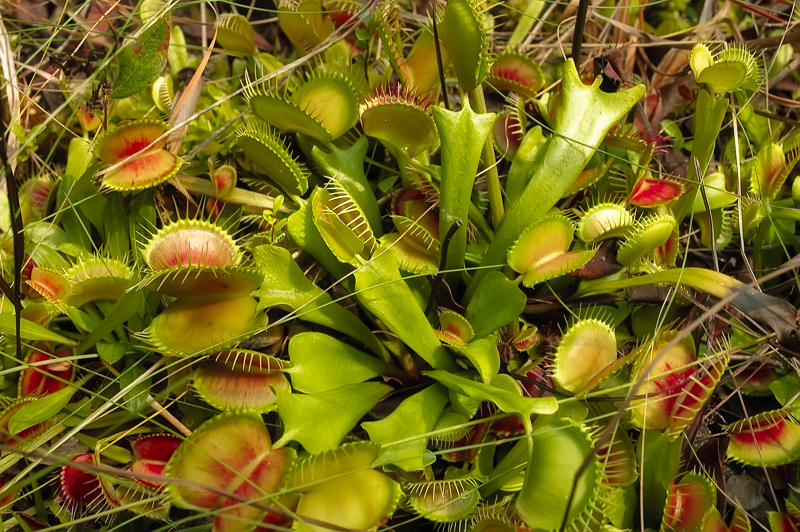
The Venus flytrap is a small carnivorous plant. The trap at the end of a leaf snaps closed on its prey, usually an insect, when sensitive hairs inside the trap have been triggered twice within 20 seconds. This way the plant does not waste energy on non-food objects....
by Rich Leighton | Aug 22, 2018 | Asteraceae, Interesting Nature Facts, Natural History, Nature & Wildlife, Wildflowers
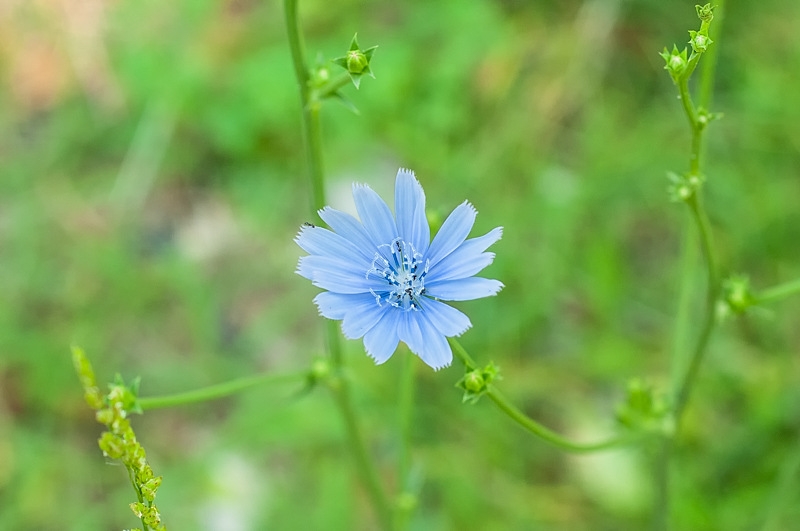
Chicory – native to Europe, this strikingly beautiful blue wildflower is now found growing wild all across North America and is a very important food for livestock, and as a coffee substitute or coffee-additive. Anyone familiar with some of the wonderful coffees...
by Rich Leighton | Aug 12, 2018 | Birds, Interesting Nature Facts, Natural History, Nature & Wildlife
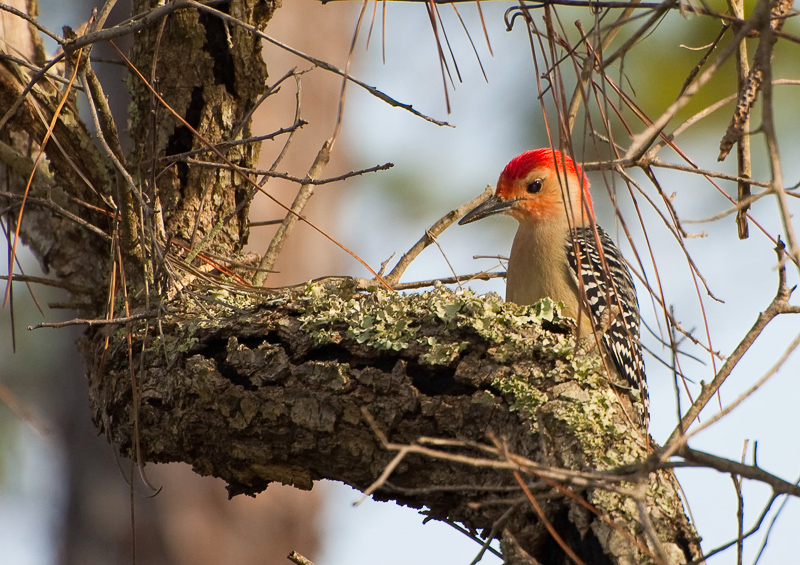
With roughly 20 species of native woodpeckers and their sapsucker relatives found across North America, woodpeckers are nature’s loudest headbangers. Woodpeckers slam their beaks against wood with a force 1,000 times that of gravity. That’s 20 times more force...





Recent Comments