by Rich Leighton | Aug 7, 2018 | Interesting Nature Facts, Mammals, Natural History, Nature & Wildlife
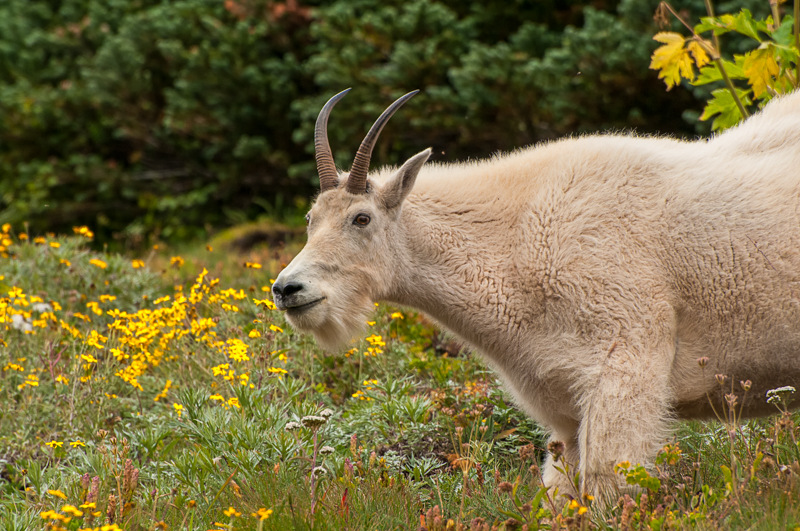
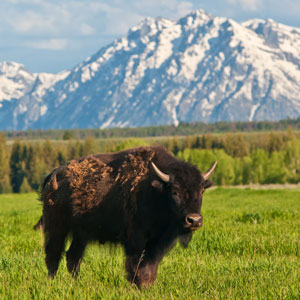
Male mountain goats have evolved an unusual method of fighting in the rut season. Because their skulls and horns are not strong enough to take the impact of head-to-head collisions like their cousins the bison and bighorn sheep, they have developed very thick skin at...
by Rich Leighton | Aug 2, 2018 | Interesting Nature Facts, Melanthiaceae, Natural History, Nature & Wildlife, Wildflowers
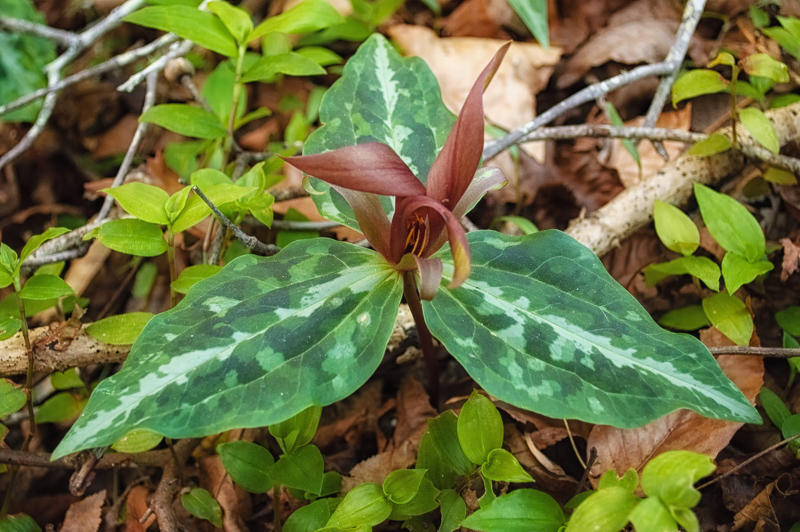
Trilliums use ants for seed dispersal. Ants are attracted to the elaiosomes (external “food bodies”) on the seeds and collect them and transport them away from the parent plant. MORE PHOTOS OF TRILLIUMS MORE INTERESTING NATURE FACTS Interesting Nature...
by Rich Leighton | Jul 28, 2018 | Birds, Interesting Nature Facts, Natural History, Nature & Wildlife
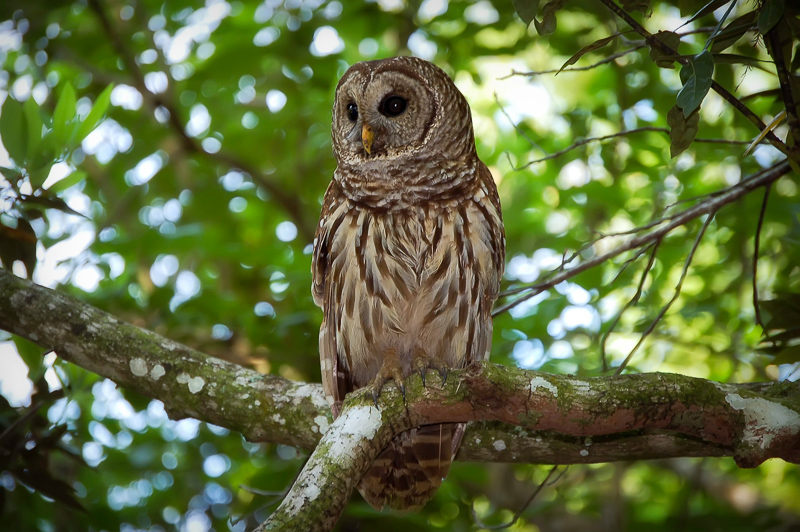
Owls don’t have eyeballs. Rather, they’re more like eye tubes. They’re elongated and held in place by “sclerotic rings,” a bony structure in the skull. Because of this, owls can’t really move or roll their eyes. That’s why...
by Rich Leighton | Jul 23, 2018 | Birds, Florida, Florida Nature Photography, Interesting Nature Facts, Natural History, Nature & Wildlife
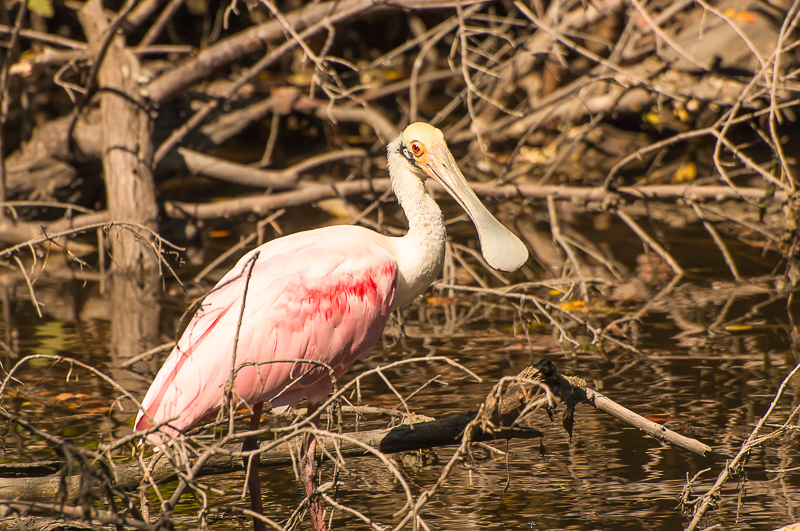
The roseate spoonbill is a beautifully plumed wading bird with a long bill shaped like a spatula. They were almost driven to extinction by plume hunters at the turn of the century. Still rare, but recovering, they can be seen wading in coastal areas. MORE PHOTOS OF...
by Rich Leighton | Jul 18, 2018 | Florida, Florida Nature Photography, Herps, Interesting Nature Facts, Natural History, Nature & Wildlife, Reptiles
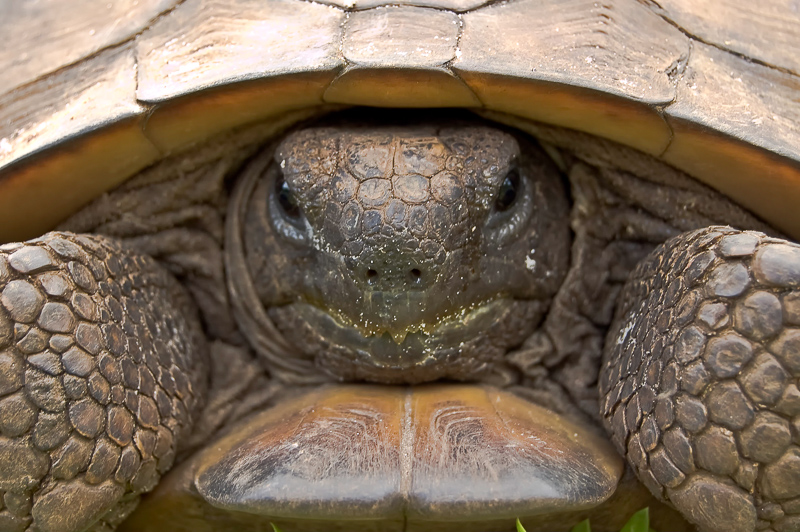
Gopher tortoises build enormous burrows that can be up to 50 feet long and nearly 10 feet deep, and not only just one burrow. Over the area of several acres, it can build many burrows to suit its needs over a lifetime. These tunnels keep it safe from predators, cool...
by Rich Leighton | Jul 13, 2018 | Herps, Interesting Nature Facts, Natural History, Nature & Wildlife, Reptiles
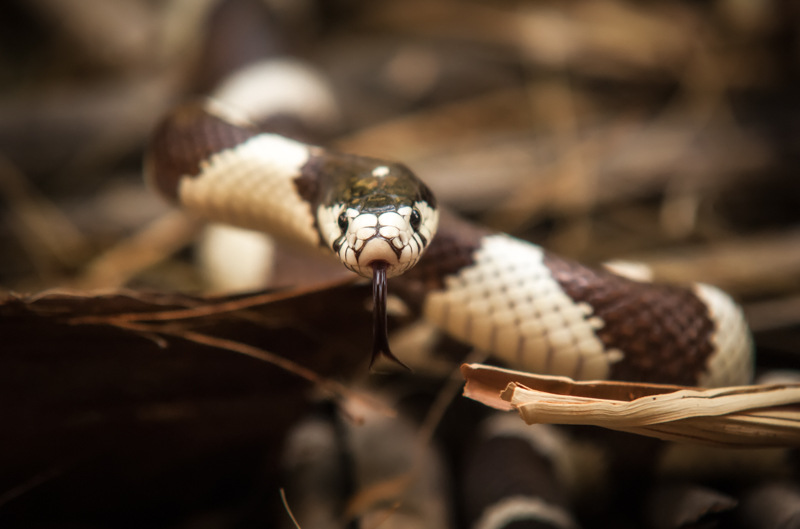
California kingsnakes are non-venomous, but are powerful constrictors. The “king” refers to the fact that they hunt other snakes, including venomous rattlesnakes. California kingsnakes are resistant to rattlesnake venom. MORE PHOTOS OF REPTILES MORE...





Recent Comments