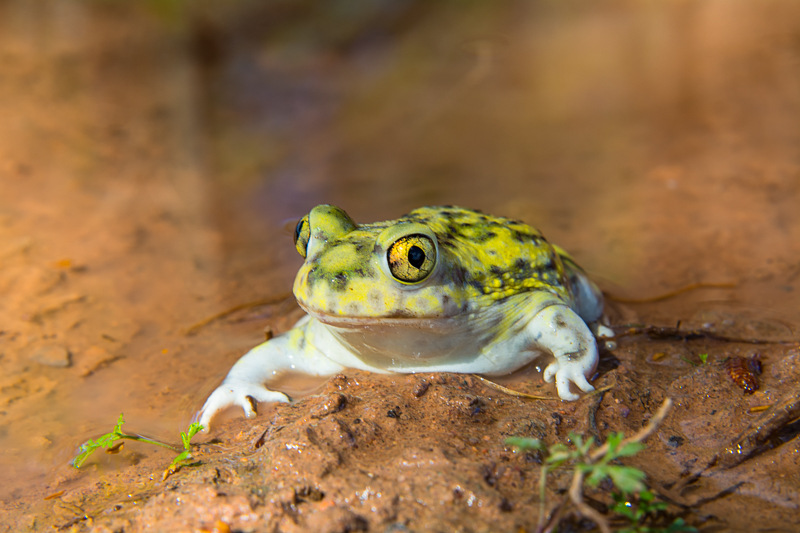
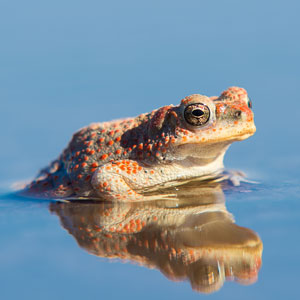
by Rich Leighton | Jul 8, 2018 | American Southwest, Amphibians, Frogs, Interesting Nature Facts, Natural History, Nature & Wildlife, Spadefoots
As suggested by the name, the American spadefoot toads have hard, keratinous protrusions on their feet, which help them to dig backwards into the ground. MORE PHOTOS OF AMPHIBIANS MORE INTERESTING NATURE FACTS Interesting Nature Facts is a series about the flora,...
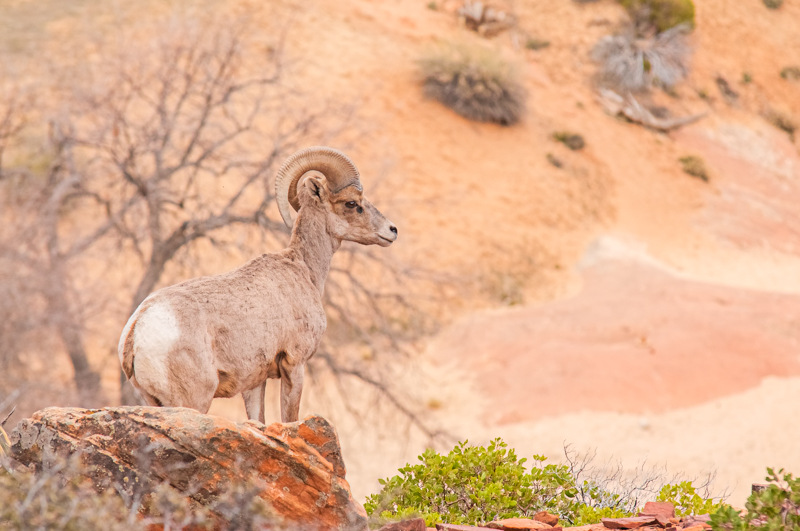
by Rich Leighton | Jul 3, 2018 | American Southwest, Interesting Nature Facts, Mammals, Natural History, Nature & Wildlife
Bighorn sheep were once widespread throughout western North America. By the 1920’s, bighorn sheep were eliminated from Washington, Oregon, Texas, North Dakota, South Dakota, Nebraska, and part of Mexico. Today, populations have been re-established through...
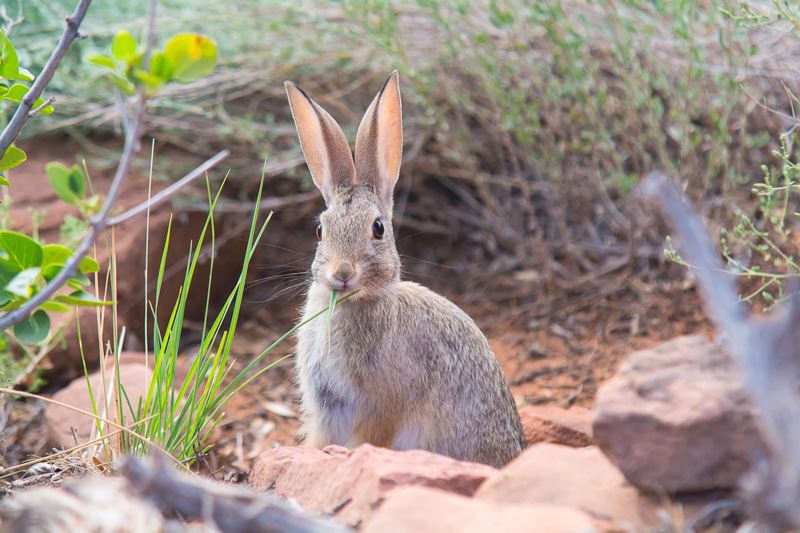
by Rich Leighton | Jun 28, 2018 | American Southwest, Interesting Nature Facts, Mammals, Natural History, Nature & Wildlife
To avoid overheating, desert cottontails have higher activity periods at night, light-colored fur to minimize absorption of solar heat, and large ears, with blood vessels just below the skin level, that can radiate body heat to the air. When temperatures climb above...
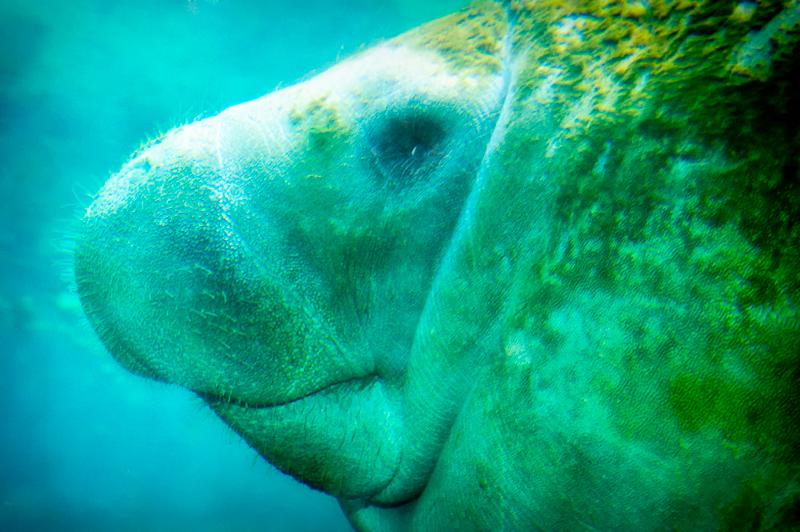
by Rich Leighton | Jun 23, 2018 | Florida, Florida Nature Photography, Interesting Nature Facts, Mammals, Natural History, Nature & Wildlife
Adult West Indian manatees have no incisor or canine teeth. Their cheek teeth are continuously replaced throughout life, with new teeth growing in the back as older front teeth fall out. MORE PHOTOS OF MAMMALS MORE INTERESTING NATURE FACTS Interesting Nature Facts is...
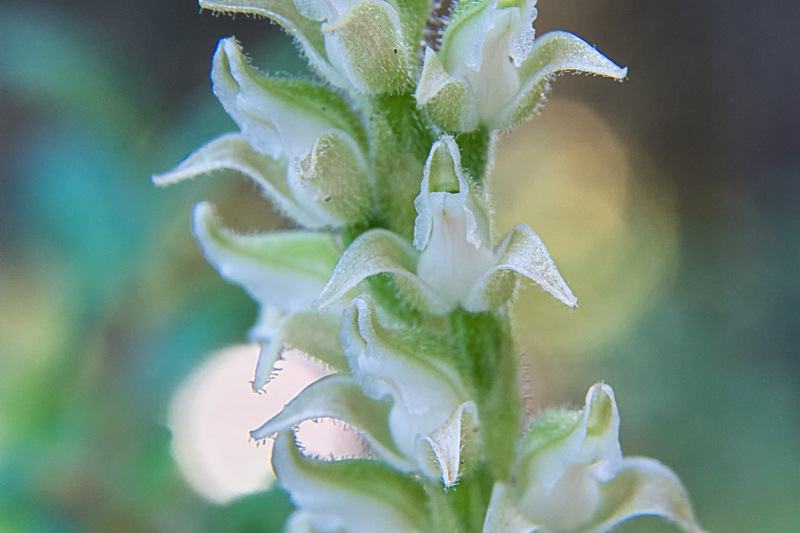
by Rich Leighton | Jun 18, 2018 | Interesting Nature Facts, Native Orchids, Natural History, Nature & Wildlife, Orchidaceae, Wildflowers
Giant Rattlesnake orchid (Goodyera oblongifolia) noted for its beautiful leaves is found throughout most of the Pacific Northwest has an interesting bit of folklore. Women of the Klallam Native American tribe used to rub the leaves of this plant on their bodies to...
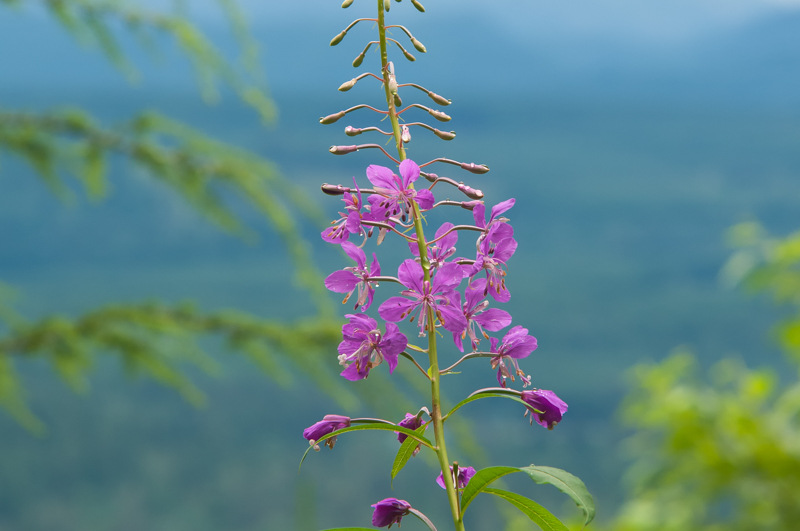
by Rich Leighton | Jun 13, 2018 | Interesting Nature Facts, Natural History, Nature & Wildlife, Onagraceae, Wildflowers
Fireweed is not only a very beautiful member of the evening primrose family that is commonly found throughout the northern hemisphere, it also has several edible uses! The inner stems are sweet and juicy, the young tender leaves are full of vitamin C and great as an...




Recent Comments