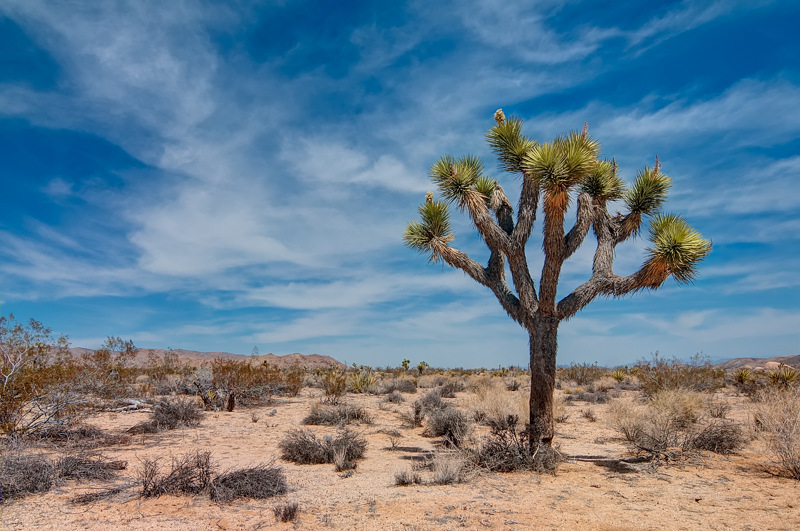
by Rich Leighton | Jun 8, 2018 | American Southwest, Asparagaceae, Interesting Nature Facts, Natural History, Nature & Wildlife, Wildflowers
One reason it is believed that this iconic yucca is losing habitat, and declining in numbers is in the fossil record of the recent extinction (in geological years) of the Shasta ground sloth, one of the giant sloths that went the way of the mammoths and other American...
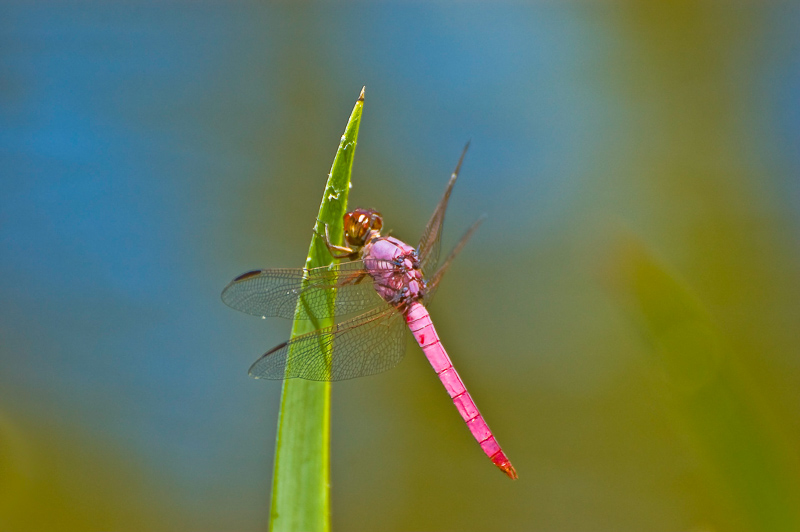
by Rich Leighton | Jun 3, 2018 | Insects, Interesting Nature Facts, Invertebrates, Natural History, Nature & Wildlife
For every human there are 200 million insects, and there are more insects in the world than all other the animals combined. MORE PHOTOS OF INVERTEBRATES MORE INTERESTING NATURE FACTS Interesting Nature Facts is a series about the flora, fauna and places that make...
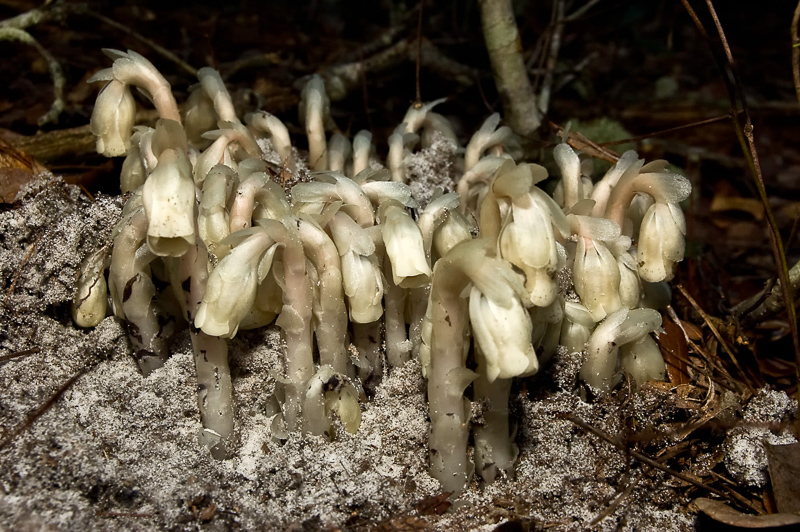
by Rich Leighton | May 29, 2018 | Interesting Nature Facts, Natural History, Nature & Wildlife, Nature Photography, Wildflowers
Often mistaken for orchids or “weird mushrooms,” Indian pipes are actually plants in the heath family. Lacking chlorophyll and a means to produce their own food like most plants, they form a symbiotic relationship with mycorrhizal fungi in the soil that helps them...
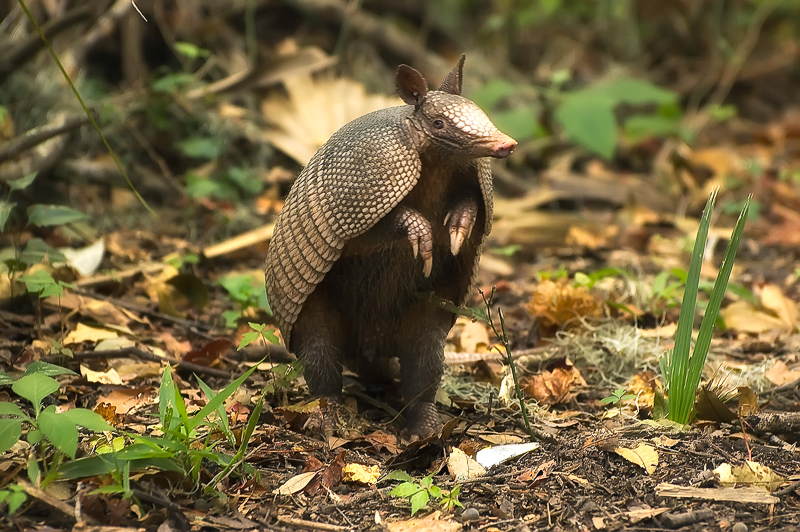
by Rich Leighton | May 24, 2018 | Florida Nature Photography, Interesting Nature Facts, Mammals, Photography
Only the South American three-banded armadillos (Tolypeutes) rely heavily on their armor for protection. When threatened by a predator, Tolypeutes species frequently roll up into a ball. Other armadillo species cannot roll up because they have too many plates. The...
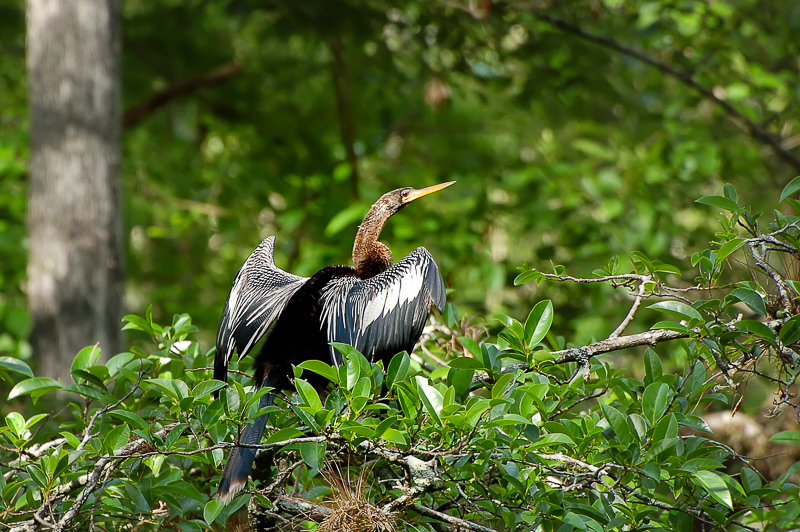
by Rich Leighton | May 14, 2018 | Birds, Florida, Interesting Nature Facts, Natural History, Nature & Wildlife
The anhinga is barely buoyant with dense bones and non-waterproof feathers, but because of this it can stay underwater more easily and hunt for longer periods of time. Afterwards it will stand with spread wings to dry its feathers. MORE PHOTOS OF ANHINGAS MORE...
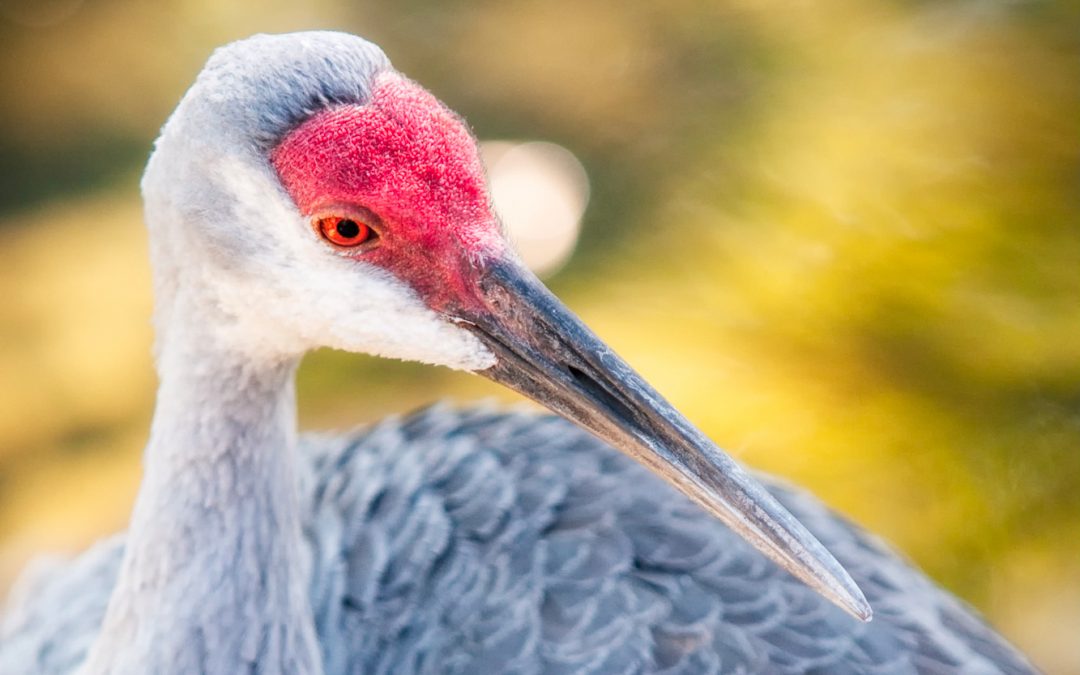
by Rich Leighton | May 9, 2018 | Birds, Florida Nature Photography, Interesting Nature Facts
Sandhill cranes mate for life, and have one brood a year. Chicks are able to leave the nest 8 hours after hatching, and stay with their parents for 9-10 months including migration. MORE PHOTOS OF CRANES & LIMPKINS MORE INTERESTING NATURE FACTS Interesting Nature...



Recent Comments