
by Rich Leighton | May 4, 2018 | American Southwest, Interesting Nature Facts, Landscape, Natural History, Texas
Big Bend National Park is located at the northern end of the Chihuahuan Desert. The Chihuahuan desert is the wettest of the four North American deserts, though it rarely receives more than 10 inches of rainfall. The rainy season in the desert is usually from mid-July...
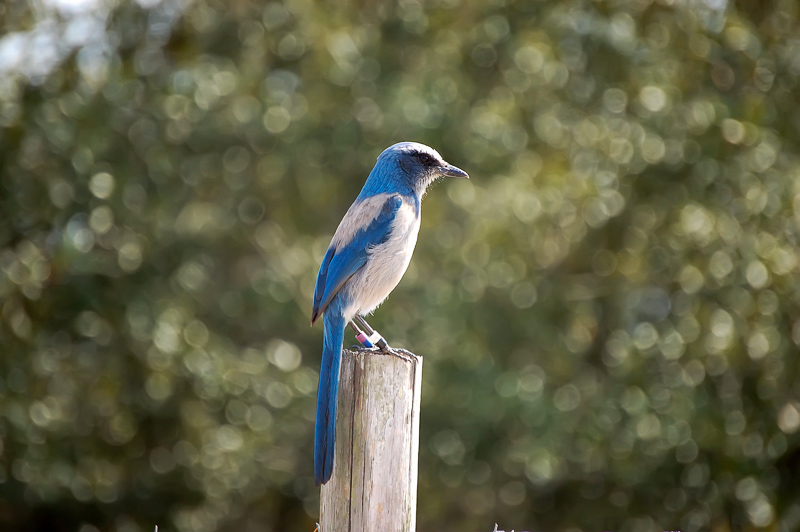
by Rich Leighton | Apr 29, 2018 | Birds, Florida Nature Photography, Interesting Nature Facts, Natural History
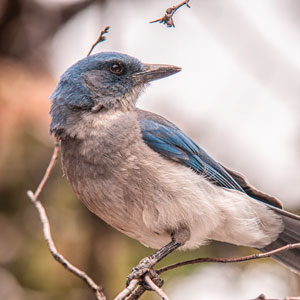
Corvids are one of the world’s smartest birds. These include ravens, crows, jays and magpies. In fact, the American crow can not only recognize and remember a human’s face, but can teach other crows to recognize a specific person they haven’t seen...
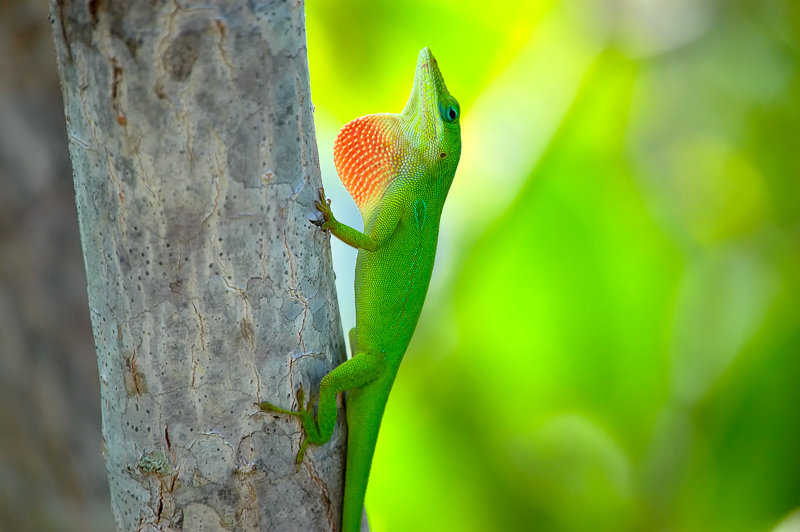
by Rich Leighton | Apr 24, 2018 | Florida Nature Photography, Herps, Interesting Nature Facts, Natural History, Reptiles
The green anole is a common lizard in the American Southeast, slender in build, with a narrow head and a long, slender tail that can be twice as long as the rest of the animal. Color can vary from gray-brown, to brown, to bright green. Each animal can change its color...

by Rich Leighton | Apr 19, 2018 | Interesting Nature Facts, Natural History, Wildflowers
The American lotus has extraordinarily large and beautiful pale yellow native aquatic wildflower has two amazing characteristics: one – the large circular lily pads (leaves) do not get wet on top, and water forms beads on top if splashed or rained on, but even...
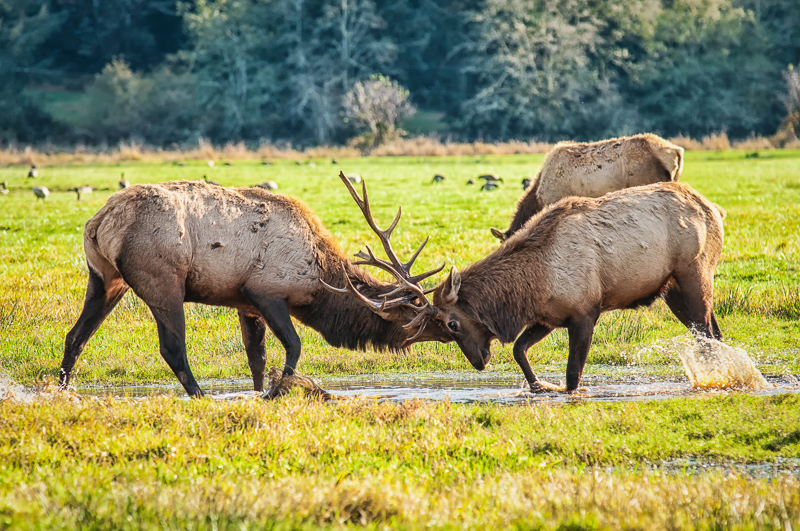
by Rich Leighton | Apr 14, 2018 | Cervids, Interesting Nature Facts, Mammals, Natural History
Elk are associated with love in many tribes, and Native American legends often credit elk with the creation of the first flute, an instrument used by men to woo women in many Native American cultures. MORE PHOTOS OF ELK AND OTHER MAMMALS MORE INTERESTING NATURE FACTS...
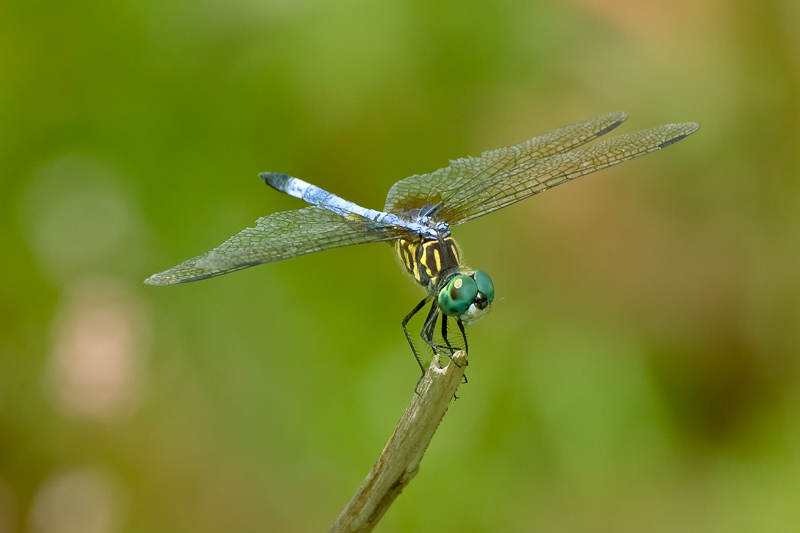
by Rich Leighton | Apr 9, 2018 | Dragonflies, Insects, Interesting Nature Facts, Invertebrates, Natural History
One of the fastest and most maneuverable of the world’s winged insects, the dragonfly uses a method of catching prey called “hawking” where the dragonfly forms a basket with its hairy legs, scooping and eating up to 300 flying mosquitos every day of...










Recent Comments