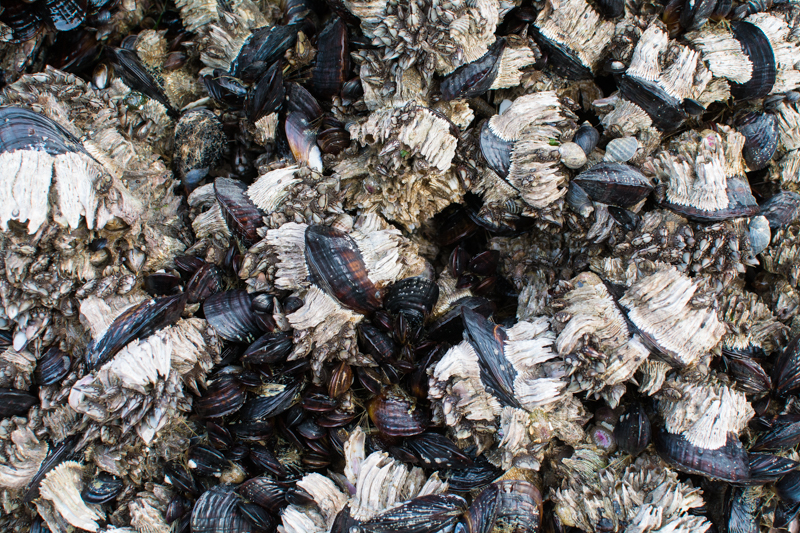
by Rich Leighton | Jan 7, 2020 | Interesting Nature Facts, Invertebrates, Natural History, Nature & Wildlife
To collect enough food to survive, a mussel filters two to three quarts (about two to three liters) of water an hour! MORE PHOTOS OF MARINE INVERTEBRATES MORE INTERESTING NATURE FACTS Interesting Nature Facts is a series about the flora, fauna and places that make...
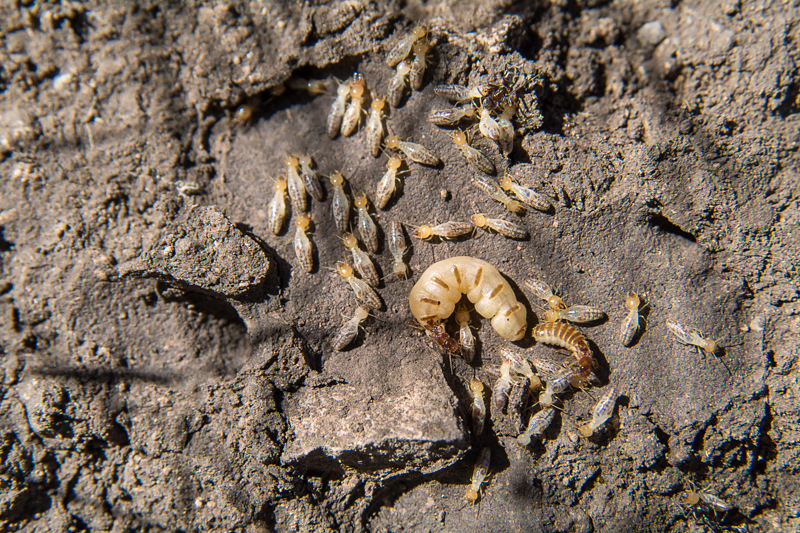
by Rich Leighton | Aug 19, 2019 | Florida Nature Photography, Insects, Interesting Nature Facts, Invertebrates, Nature & Wildlife
Queen termites can live up to 50 years. MORE PHOTOS OF INSECTS MORE INTERESTING NATURE FACTS Interesting Nature Facts is a series about the flora, fauna and places that make North America so amazing. Posts include nature photos that are short & sweet, and all...
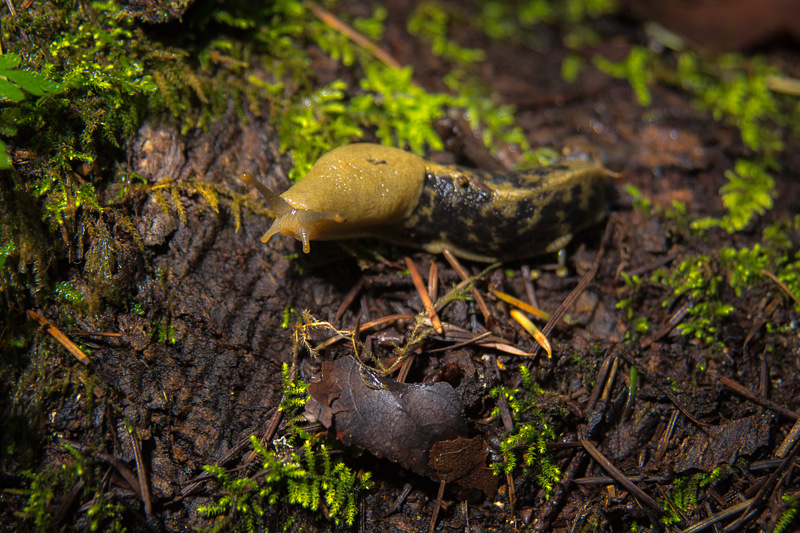
by Rich Leighton | Mar 10, 2019 | Interesting Nature Facts, Invertebrates, Natural History, Nature & Wildlife
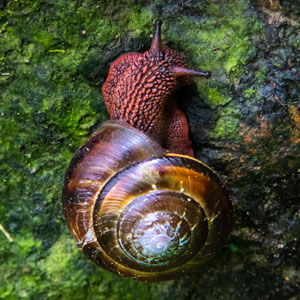
Banana slugs have two pairs of tentacles, both of which can be retracted to protect them from the environment. The larger pair of tentacles are used to sense the brightness of light. The smaller pair are used to sense smells. MORE PHOTOS OF INVERTEBRATES MORE...
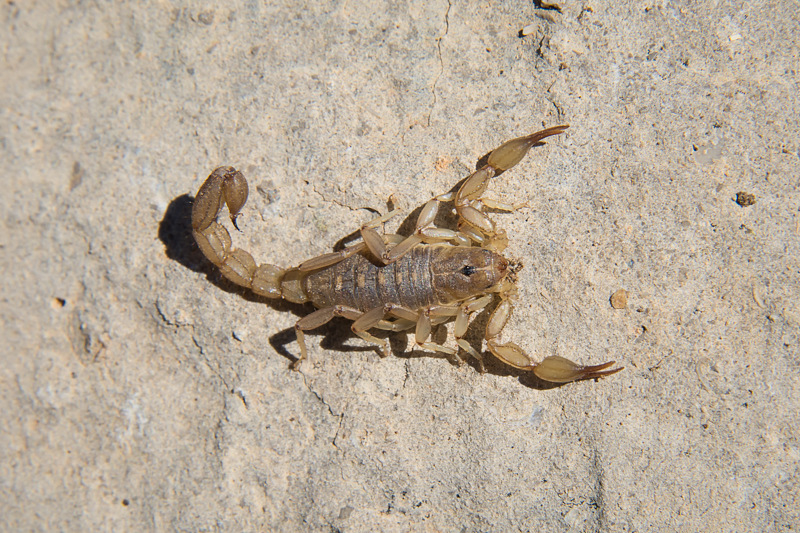
by Rich Leighton | Jan 19, 2019 | Arachnids, Interesting Nature Facts, Invertebrates, Natural History, Nature & Wildlife, Nature Photography
Out of roughly 80 species of scorpions native to North America, 45 of them live in the American Southwest. MORE PHOTOS OF INVERTEBRATES MORE INTERESTING NATURE FACTS Interesting Nature Facts is a series about the flora, fauna and places that make North America so...
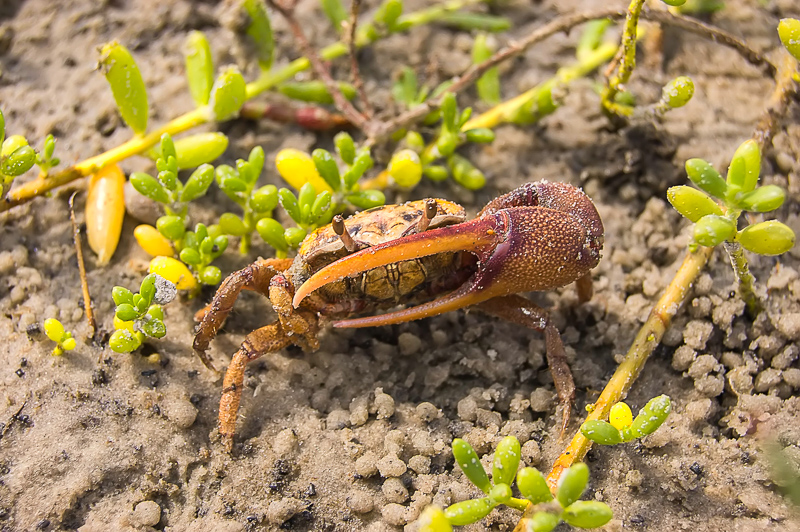
by Rich Leighton | Oct 6, 2018 | Interesting Nature Facts, Invertebrates, Natural History, Nature & Wildlife, Nature Photography
Fiddler crabs are the most common crab in a salt marsh and they play an important role in the salt marsh community. They eat detritus (dead or decomposing plant and animal matter) and are themselves food for a number of wetland animals. In Spanish, the fiddler crab is...
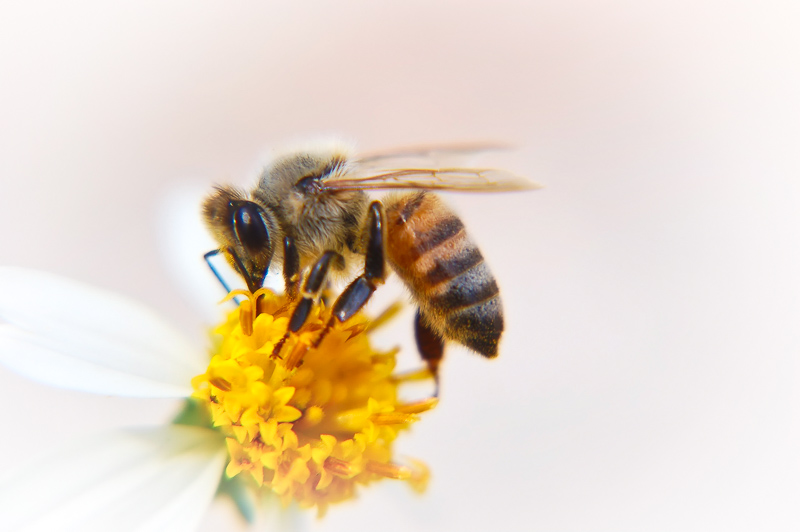
by Rich Leighton | Oct 1, 2018 | bees, Insects, Interesting Nature Facts, Invertebrates, Natural History, Nature & Wildlife
Bees have two stomachs: one regular stomach and one stomach for storing nectar. When full, the bee doubles its weight. MORE PHOTOS OF INVERTEBRATES MORE INTERESTING NATURE FACTS Interesting Nature Facts is a series about the flora, fauna and places that make North...








Recent Comments