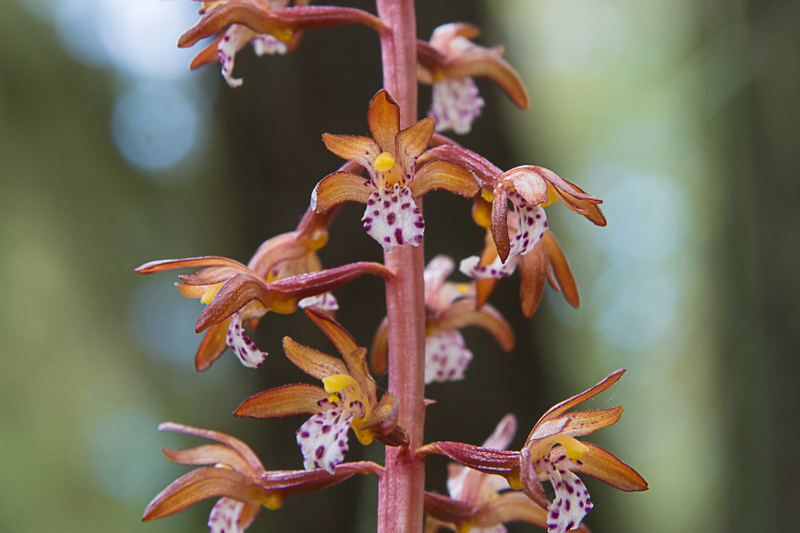
by Rich Leighton | Feb 17, 2020 | Interesting Nature Facts, Maxillarieae, Native Orchids, Natural History, Nature & Wildlife
Certain species of orchids are parasitic. They are not able to produce food (sugar) using the sunlight and carbon dioxide (like other plants). Instead, they obtain food from fungi that live inside their roots. MORE PHOTOS OF NATIVE ORCHIDS MORE INTERESTING NATURE...
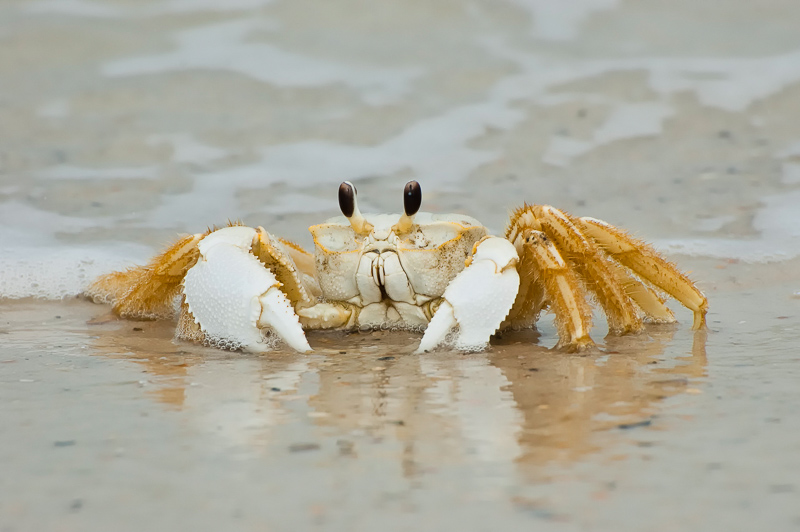
by Rich Leighton | Feb 12, 2020 | Florida Nature Photography, Interesting Nature Facts, Invertebrates, Natural History, Nature & Wildlife
Ghost crabs are found on many of the same beaches as sea turtle nests. They devour baby turtles while they hatching out in the sand, and drag the baby turtles into their burrows and eat them up. MORE PHOTOS OF INVERTEBRATES MORE INTERESTING NATURE FACTS Interesting...
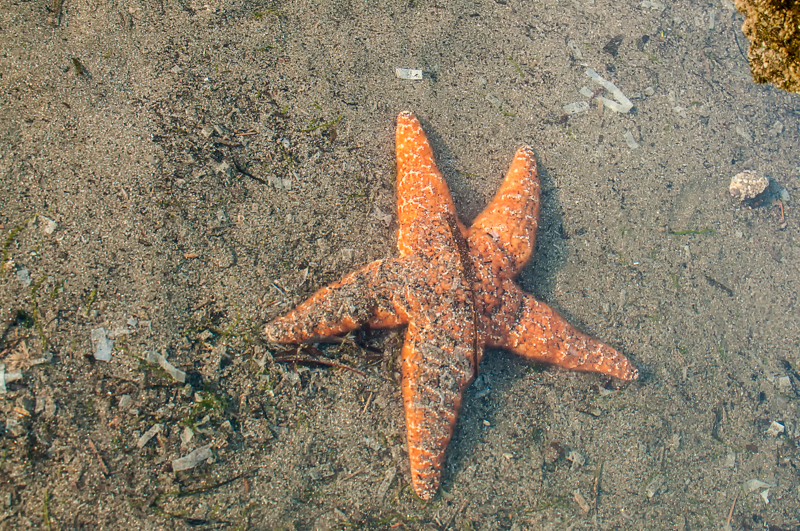
by Rich Leighton | Jan 23, 2020 | Interesting Nature Facts, Invertebrates, Natural History, Nature & Wildlife
The ochre star actually has 5 eyes, each located at the tip of its rays. However, they have no vision. The eyes act as sensors and are sensitive to light. Although commonly called the ocher sea star, they may be yellow, orange, brown, reddish, or purple! MORE PHOTOS...
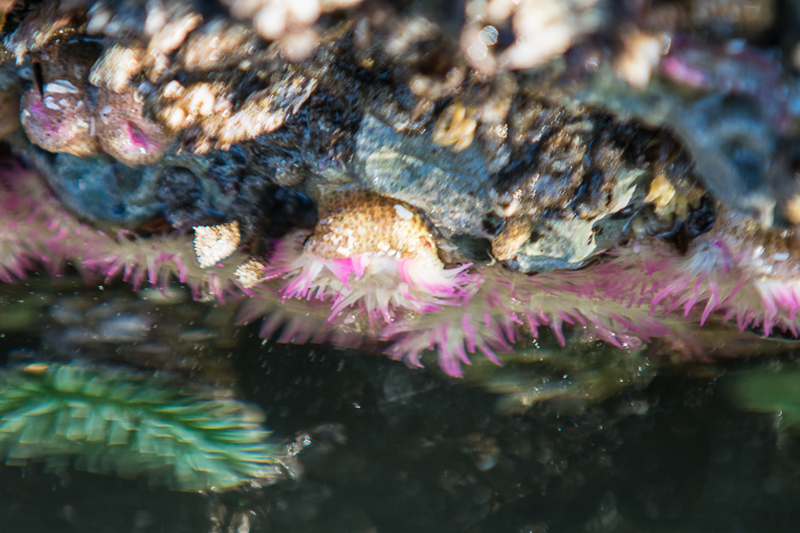
by Rich Leighton | Jan 18, 2020 | Interesting Nature Facts, Invertebrates, Natural History, Nature & Wildlife
Although they live side by side, clonemates from different groups are enemies. Warrior anemones with knoblike swellings packed with large stinging cells border each group. If a warrior comes in contact with an enemy warrior, they exchange a barrage of poison darts,...
by Rich Leighton | Jan 13, 2020 | Birds, Interesting Nature Facts, Natural History, Nature & Wildlife
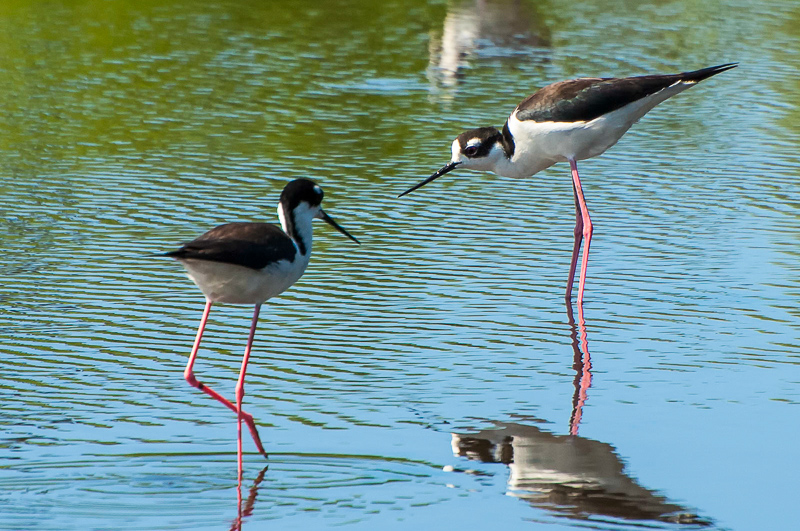
To cool their nests in hot weather, stilts use their belly feathers to carry water to the nests, sometimes making more than a hundred trips a day. VISIT THE BIRDS GALLERIES MORE INTERESTING NATURE FACTS Interesting Nature Facts is a series about the flora, fauna and...
by Rich Leighton | Jan 7, 2020 | Interesting Nature Facts, Invertebrates, Natural History, Nature & Wildlife
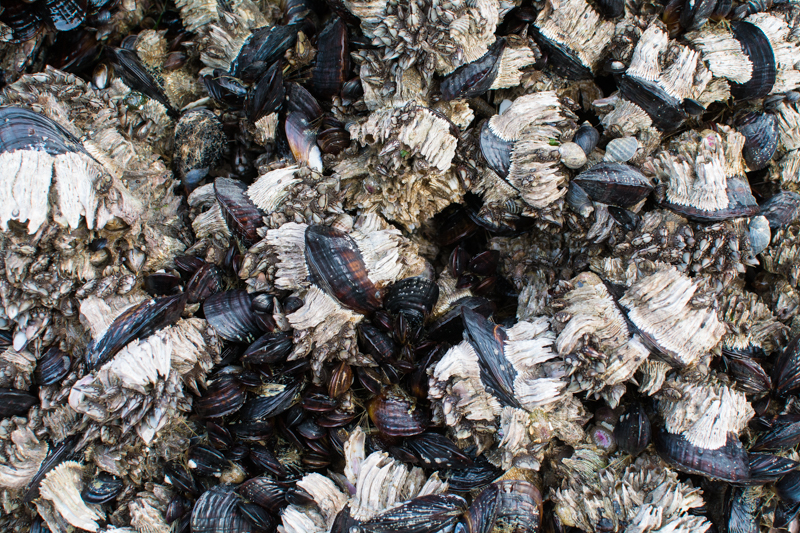
To collect enough food to survive, a mussel filters two to three quarts (about two to three liters) of water an hour! MORE PHOTOS OF MARINE INVERTEBRATES MORE INTERESTING NATURE FACTS Interesting Nature Facts is a series about the flora, fauna and places that make...


Recent Comments