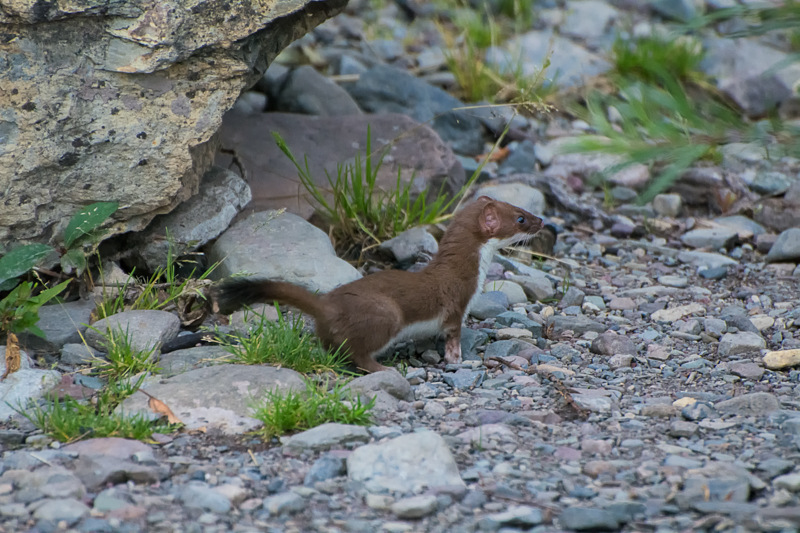
by Rich Leighton | May 4, 2019 | Alberta, Interesting Nature Facts, Mammals, Natural History, Nature & Wildlife
A male stoat is called a dog, hob, or jack, while a female is called a bitch or jill. The collective noun for a group of stoats is either a gang or pack. MORE PHOTOS OF MAMMALS MORE INTERESTING NATURE FACTS Interesting Nature Facts is a series about the flora, fauna...
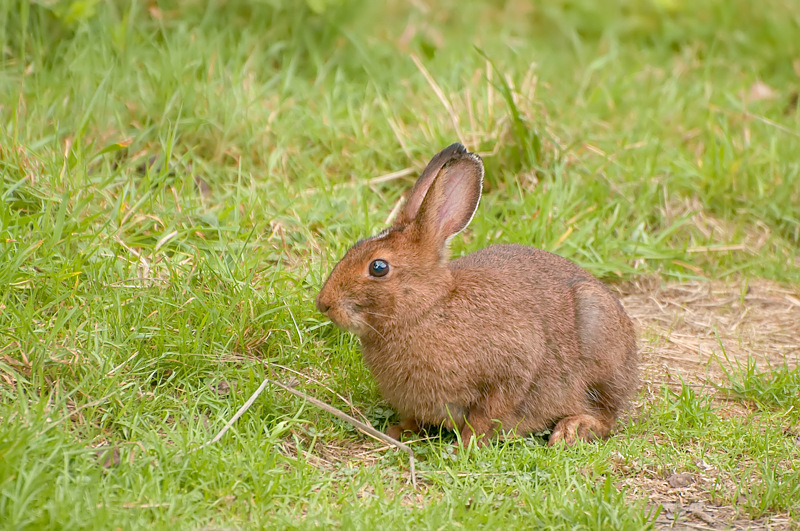
by Rich Leighton | Apr 29, 2019 | Interesting Nature Facts, Mammals, Natural History, Nature & Wildlife
While these larger cousins of rabbits are well known for having white coats in winter and brown coats in the summer, individuals in Washington’s Olympic National Park will retain their brown coat all throughout the winter. MORE PHOTOS OF MAMMALS MORE INTERESTING...
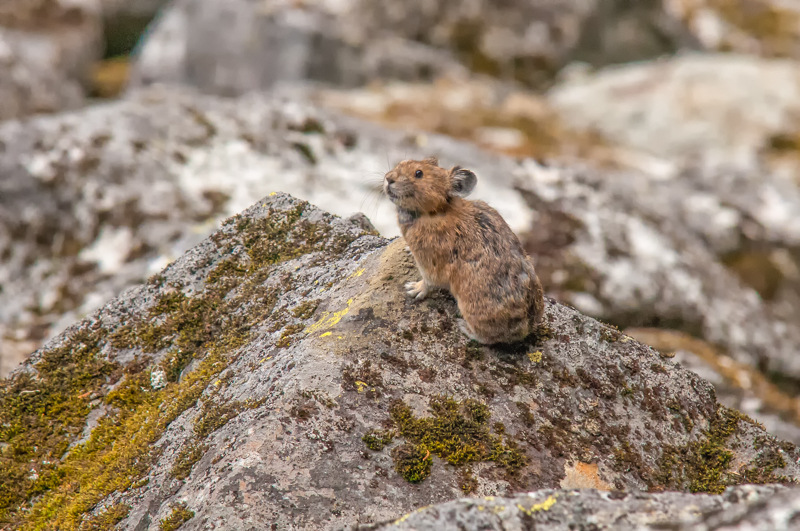
by Rich Leighton | Apr 24, 2019 | Interesting Nature Facts, Mammals, Natural History, Nature & Wildlife
Pikas inhabit talus (rock pile) fields that are fringed by suitable vegetation on alpine areas. Since they do not hibernate, pikas cash food in hay piles to eat during winter. This behavior is known as haying. MORE PHOTOS OF MAMMALS MORE INTERESTING NATURE FACTS...
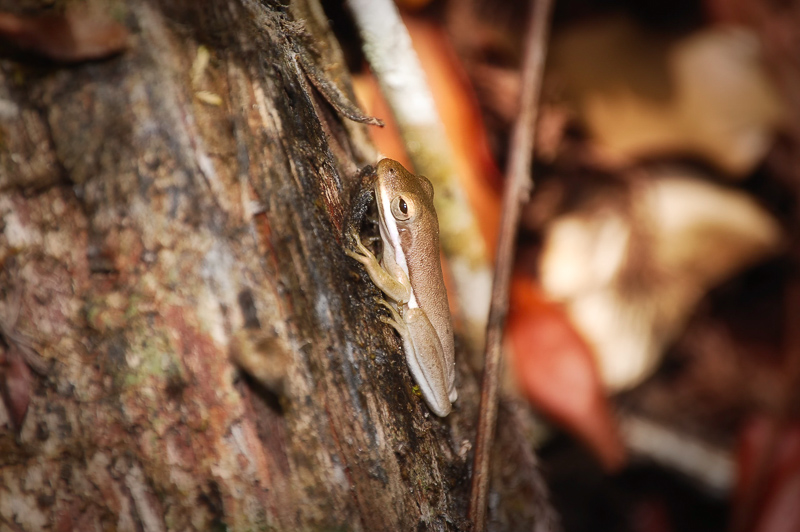
by Rich Leighton | Apr 19, 2019 | Amphibians, Frogs, Interesting Nature Facts, Natural History, Nature & Wildlife, Tree Frogs
Squirrel treefrogs are typically nocturnal, but often come out to enjoy the sights & sounds of the rain during the day. MORE PHOTOS OF AMPHIBIANS MORE INTERESTING NATURE FACTS Interesting Nature Facts is a series about the flora, fauna and places that make North...
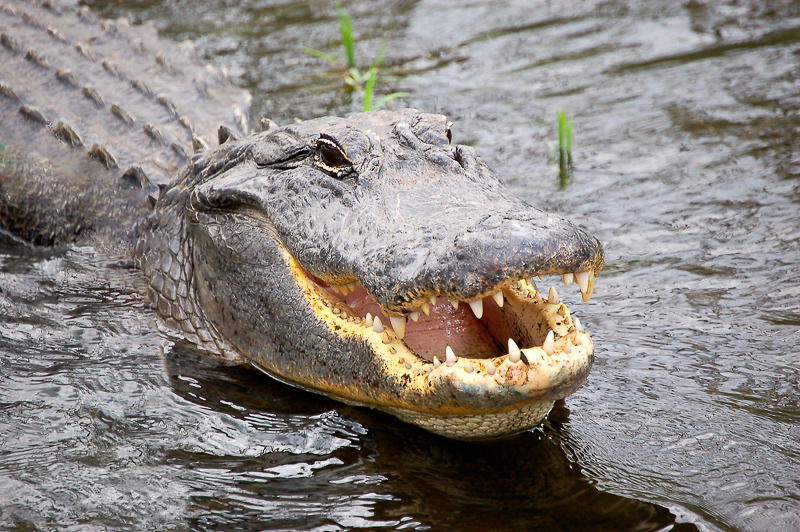
by Rich Leighton | Apr 14, 2019 | Florida, Interesting Nature Facts, Natural History, Nature & Wildlife, Reptiles
American alligators have 78 to 82 teeth and may lose and replace 2,000 to 3,000 teeth in a lifetime. MORE PHOTOS OF ALLIGATORS MORE INTERESTING NATURE FACTS Interesting Nature Facts is a series about the flora, fauna and places that make North America so amazing....
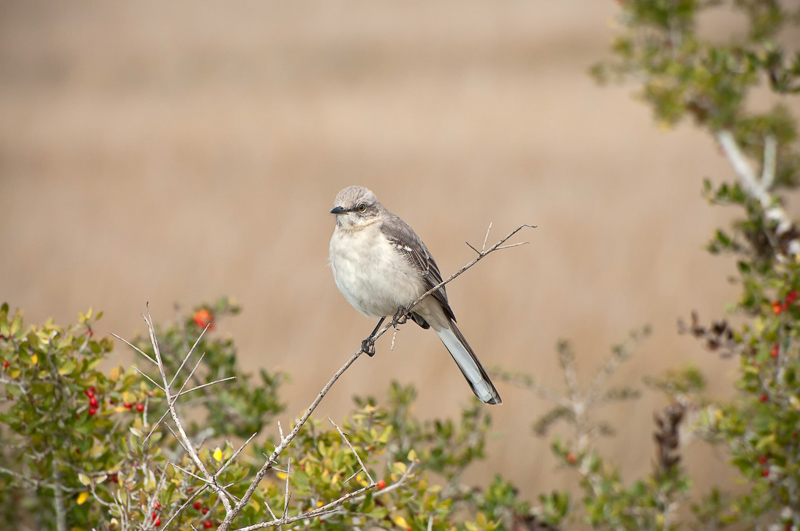
by Rich Leighton | Apr 9, 2019 | Birds, Interesting Nature Facts, Natural History, Nature & Wildlife
Northern Mockingbirds sing all through the day, and often into the night. Most nocturnal singers are unmated males, which sing more than mated males during the day, too. Nighttime singing is more common during the full moon. MORE PHOTOS OF BIRDS MORE INTERESTING...


Recent Comments