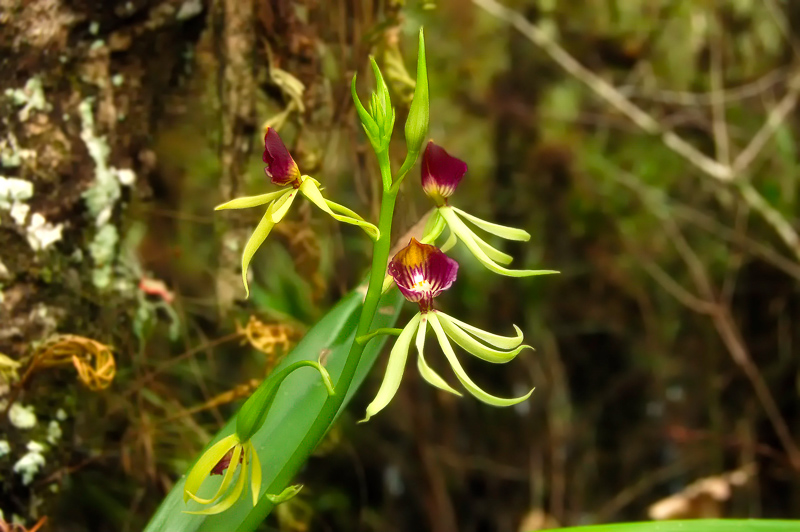
by Rich Leighton | Apr 4, 2019 | Interesting Nature Facts, Native Orchids, Natural History, Nature & Wildlife
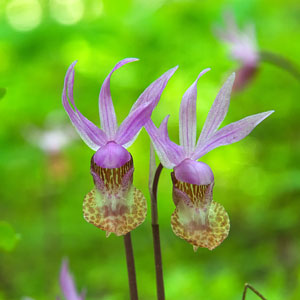
To say that the number of wild native orchids found around the world is massive would be a massive understatement. Approximately 28,000 orchid species are found alive today which more or less equals the number of bony fish species found in the waters all over the...
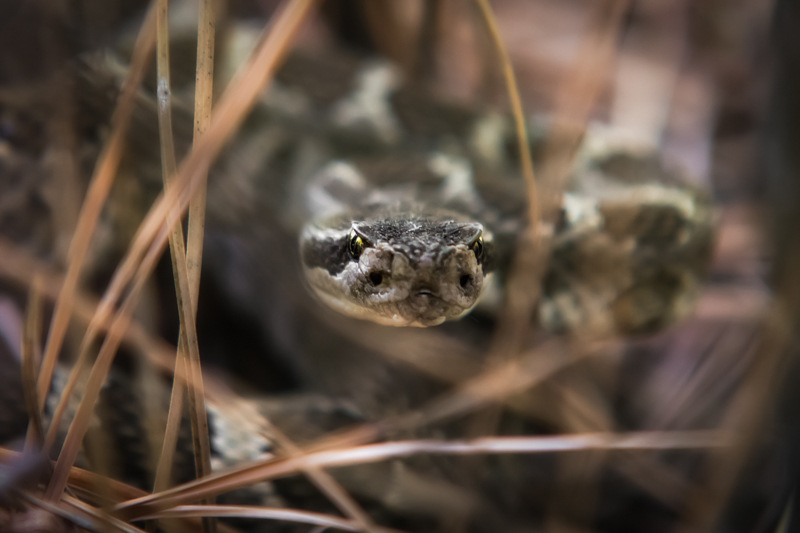
by Rich Leighton | Mar 30, 2019 | Interesting Nature Facts, Natural History, Nature & Wildlife, Reptiles
Equipped with the most efficient heat receptors in the animal world, rattlesnakes distinguish not only direction of an object that differs in temperature from its background, but also distance, sensing changes of less than .001 degree Fahrenheit! MORE PHOTOS OF SNAKES...
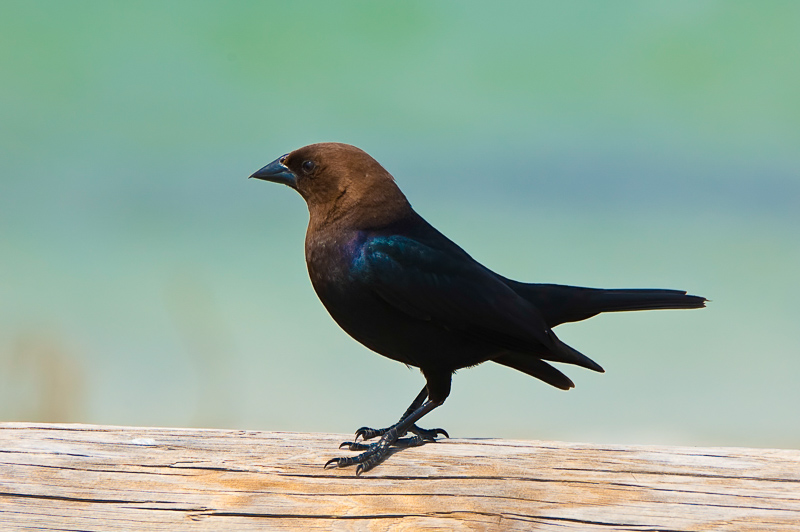
by Rich Leighton | Mar 25, 2019 | Birds, Florida, Interesting Nature Facts, Natural History, Nature & Wildlife
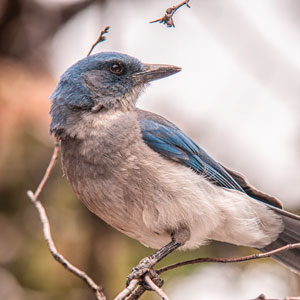
Brown-headed cowbirds are nest parasites and use red-winged blackbirds as a host to raise their young. These cowbirds will puncture one of the blackbird’s eggs and lay their own egg in the nest. The cowbird egg is then hatched and taken care of along side the...
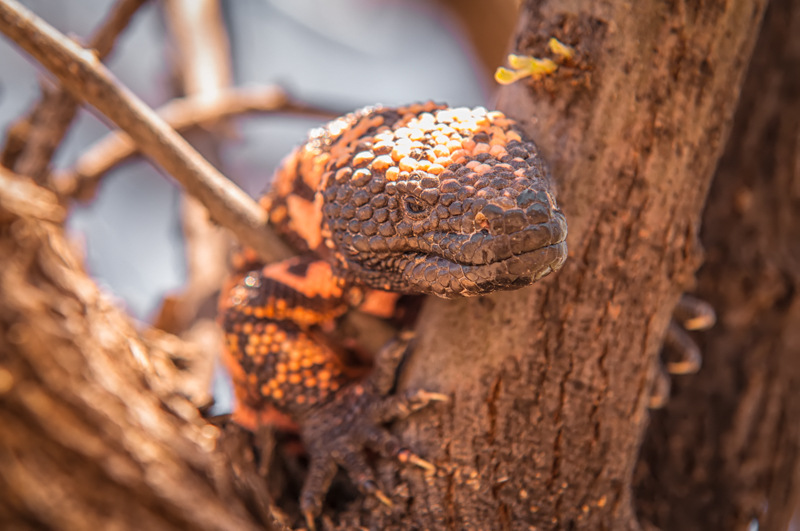
by Rich Leighton | Mar 20, 2019 | Interesting Nature Facts, Natural History, Nature & Wildlife, Reptiles
Mating season for the gila monster starts in spring. This also happens to be the nesting season for ground-nesting birds, who are their favorite prey item. Coincidence? We think not. MORE PHOTOS OF LIZARDS MORE INTERESTING NATURE FACTS Interesting Nature Facts is a...
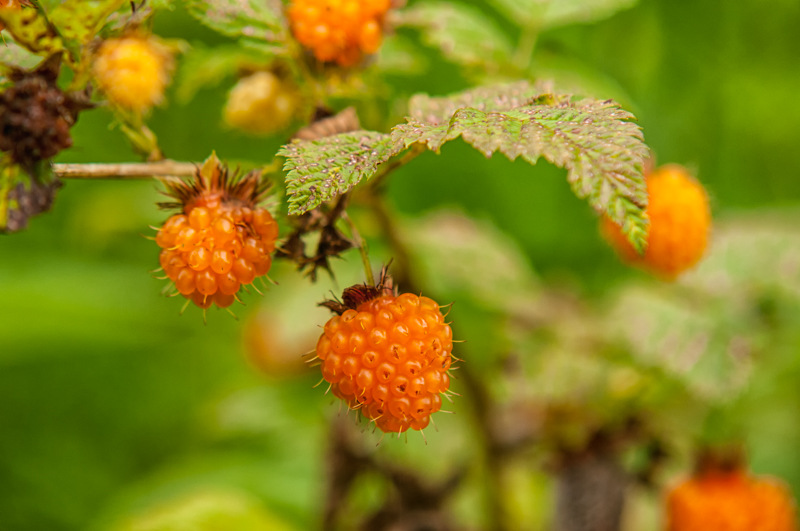
by Rich Leighton | Mar 15, 2019 | Fruits & Berries, Interesting Nature Facts, Natural History, Nature & Wildlife
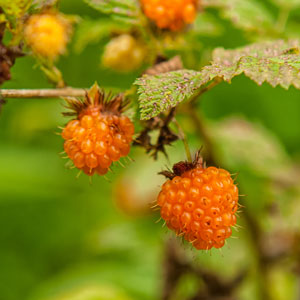
The salmonberry as we know it is actually an aggregate of drupelets – groups of small berries each containing a seed that form a single cluster from one flower – just like other bramble berries such as raspberries and blackberries. MORE PHOTOS OF BERRIES...
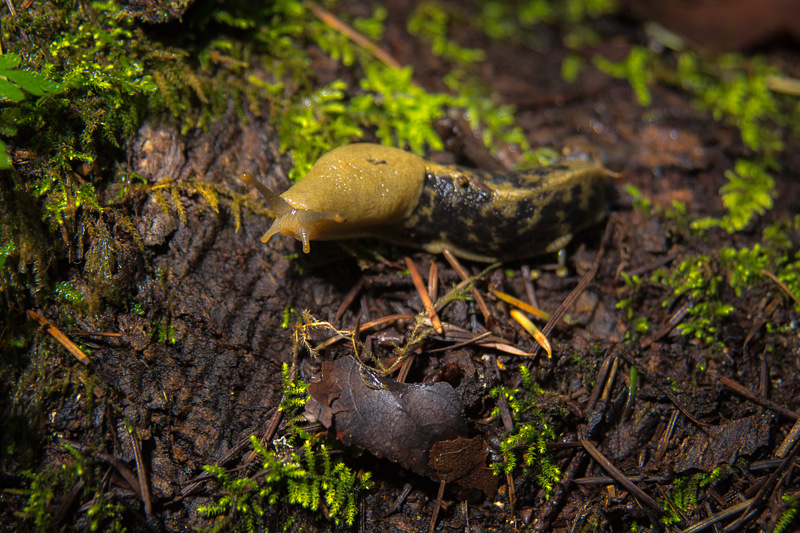
by Rich Leighton | Mar 10, 2019 | Interesting Nature Facts, Invertebrates, Natural History, Nature & Wildlife
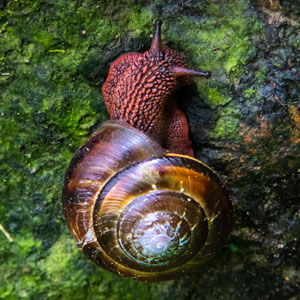
Banana slugs have two pairs of tentacles, both of which can be retracted to protect them from the environment. The larger pair of tentacles are used to sense the brightness of light. The smaller pair are used to sense smells. MORE PHOTOS OF INVERTEBRATES MORE...




Recent Comments