
by Rich Leighton | Sep 6, 2018 | American Southwest, Interesting Nature Facts, Landscape, Natural History, Nature & Wildlife, New Mexico
Only a handful of gypsum dunefields exist and New Mexico’s White Sands dunefield is by far the world’s largest, covering 275 square miles. MORE PHOTOS OF DESERTS MORE INTERESTING NATURE FACTS Interesting Nature Facts is a series about the flora, fauna and places...

by Rich Leighton | Aug 22, 2018 | Asteraceae, Interesting Nature Facts, Natural History, Nature & Wildlife, Wildflowers
Chicory – native to Europe, this strikingly beautiful blue wildflower is now found growing wild all across North America and is a very important food for livestock, and as a coffee substitute or coffee-additive. Anyone familiar with some of the wonderful coffees...
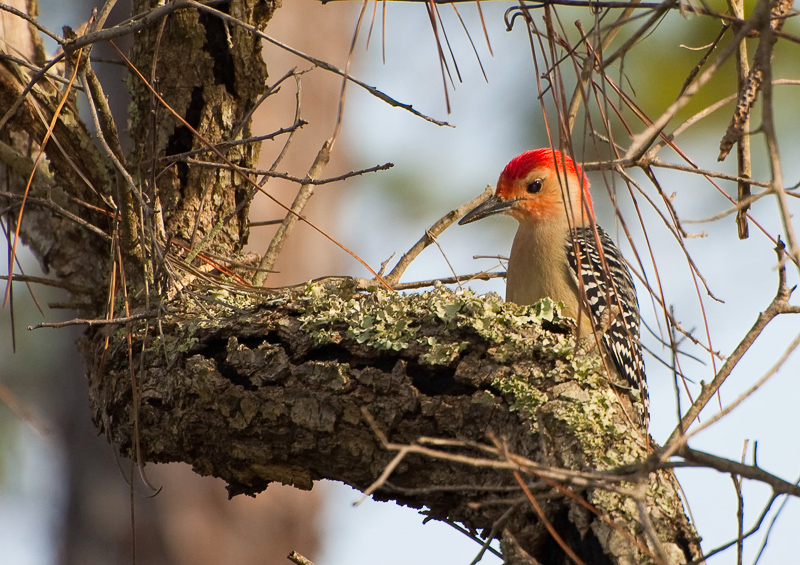
by Rich Leighton | Aug 12, 2018 | Birds, Interesting Nature Facts, Natural History, Nature & Wildlife
With roughly 20 species of native woodpeckers and their sapsucker relatives found across North America, woodpeckers are nature’s loudest headbangers. Woodpeckers slam their beaks against wood with a force 1,000 times that of gravity. That’s 20 times more force...
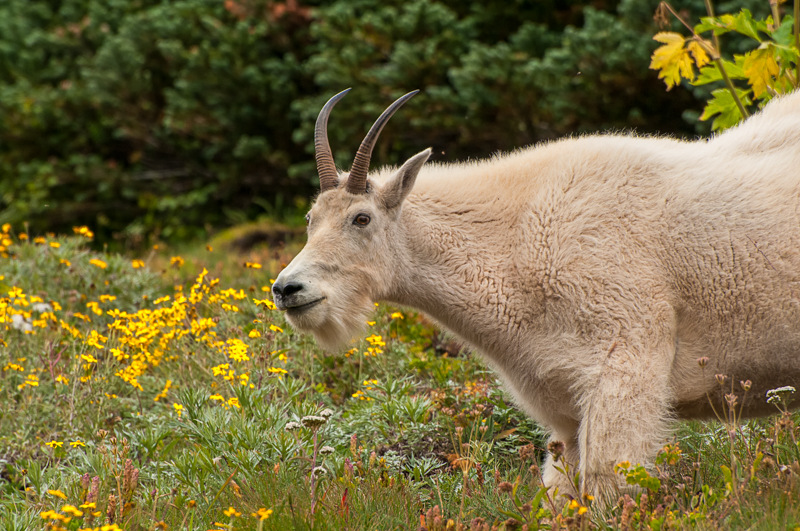
by Rich Leighton | Aug 7, 2018 | Interesting Nature Facts, Mammals, Natural History, Nature & Wildlife
Male mountain goats have evolved an unusual method of fighting in the rut season. Because their skulls and horns are not strong enough to take the impact of head-to-head collisions like their cousins the bison and bighorn sheep, they have developed very thick skin at...

by Rich Leighton | Aug 2, 2018 | Interesting Nature Facts, Melanthiaceae, Natural History, Nature & Wildlife, Wildflowers
Trilliums use ants for seed dispersal. Ants are attracted to the elaiosomes (external “food bodies”) on the seeds and collect them and transport them away from the parent plant. MORE PHOTOS OF TRILLIUMS MORE INTERESTING NATURE FACTS Interesting Nature...
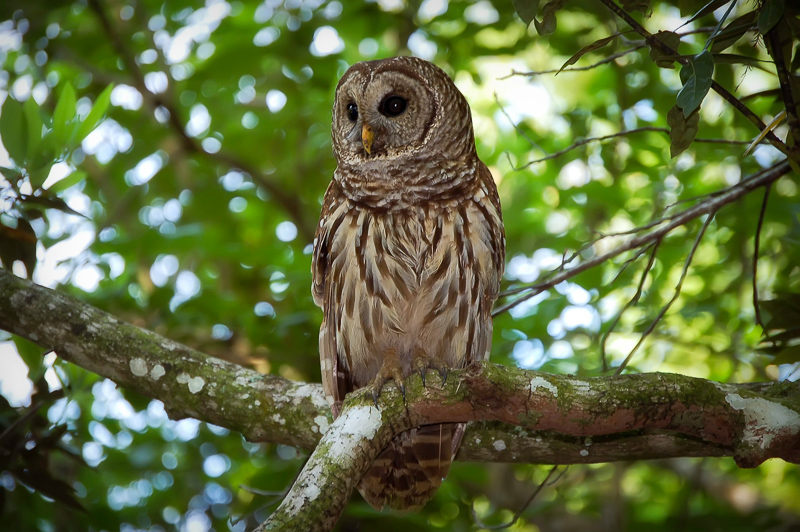
by Rich Leighton | Jul 28, 2018 | Birds, Interesting Nature Facts, Natural History, Nature & Wildlife
Owls don’t have eyeballs. Rather, they’re more like eye tubes. They’re elongated and held in place by “sclerotic rings,” a bony structure in the skull. Because of this, owls can’t really move or roll their eyes. That’s why...













Recent Comments