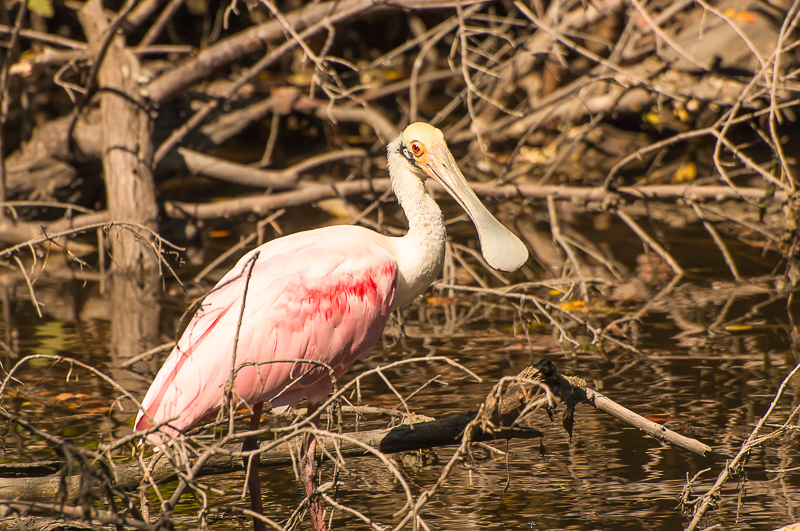
by Rich Leighton | Jul 23, 2018 | Birds, Florida, Florida Nature Photography, Interesting Nature Facts, Natural History, Nature & Wildlife
The roseate spoonbill is a beautifully plumed wading bird with a long bill shaped like a spatula. They were almost driven to extinction by plume hunters at the turn of the century. Still rare, but recovering, they can be seen wading in coastal areas. MORE PHOTOS OF...
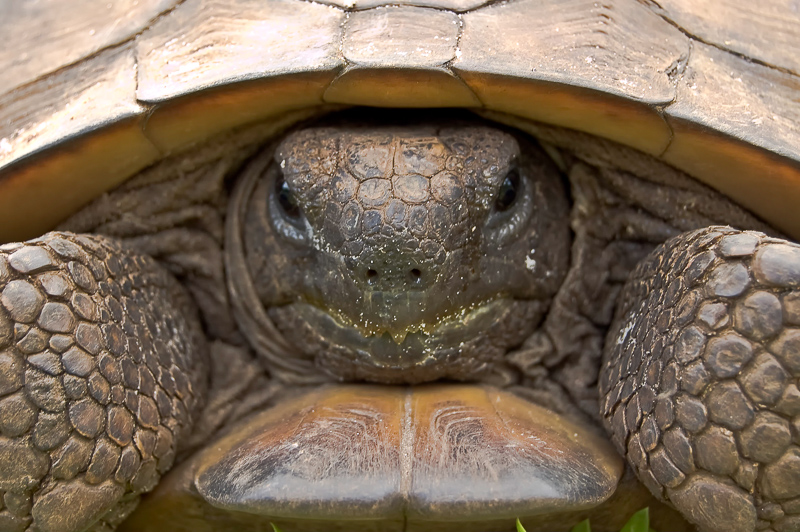
by Rich Leighton | Jul 18, 2018 | Florida, Florida Nature Photography, Herps, Interesting Nature Facts, Natural History, Nature & Wildlife, Reptiles
Gopher tortoises build enormous burrows that can be up to 50 feet long and nearly 10 feet deep, and not only just one burrow. Over the area of several acres, it can build many burrows to suit its needs over a lifetime. These tunnels keep it safe from predators, cool...
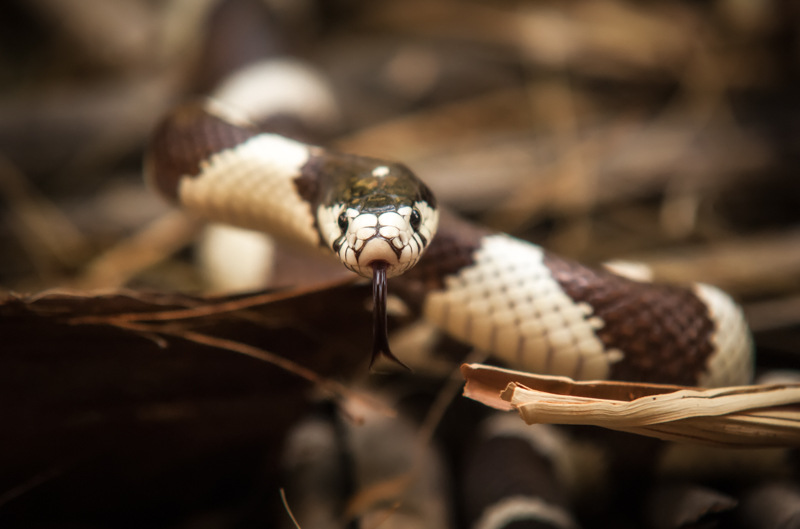
by Rich Leighton | Jul 13, 2018 | Herps, Interesting Nature Facts, Natural History, Nature & Wildlife, Reptiles
California kingsnakes are non-venomous, but are powerful constrictors. The “king” refers to the fact that they hunt other snakes, including venomous rattlesnakes. California kingsnakes are resistant to rattlesnake venom. MORE PHOTOS OF REPTILES MORE...
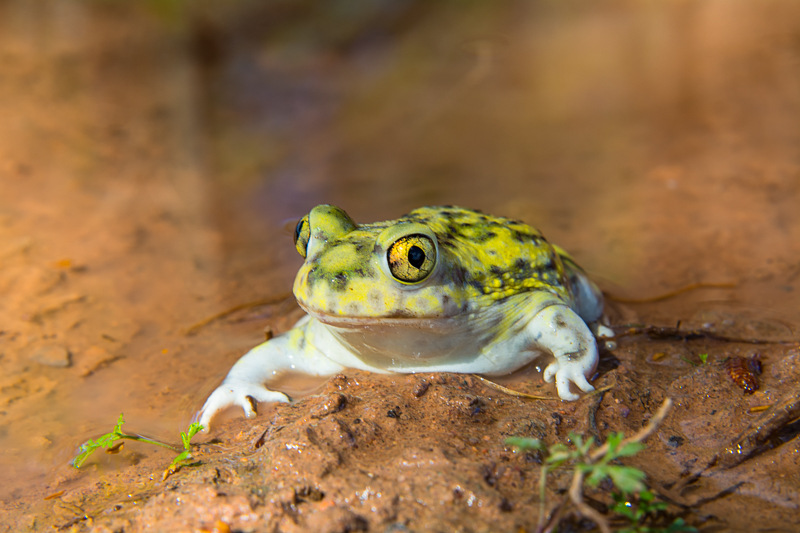
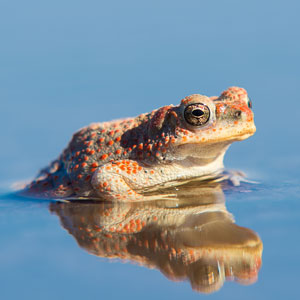
by Rich Leighton | Jul 8, 2018 | American Southwest, Amphibians, Frogs, Interesting Nature Facts, Natural History, Nature & Wildlife, Spadefoots
As suggested by the name, the American spadefoot toads have hard, keratinous protrusions on their feet, which help them to dig backwards into the ground. MORE PHOTOS OF AMPHIBIANS MORE INTERESTING NATURE FACTS Interesting Nature Facts is a series about the flora,...
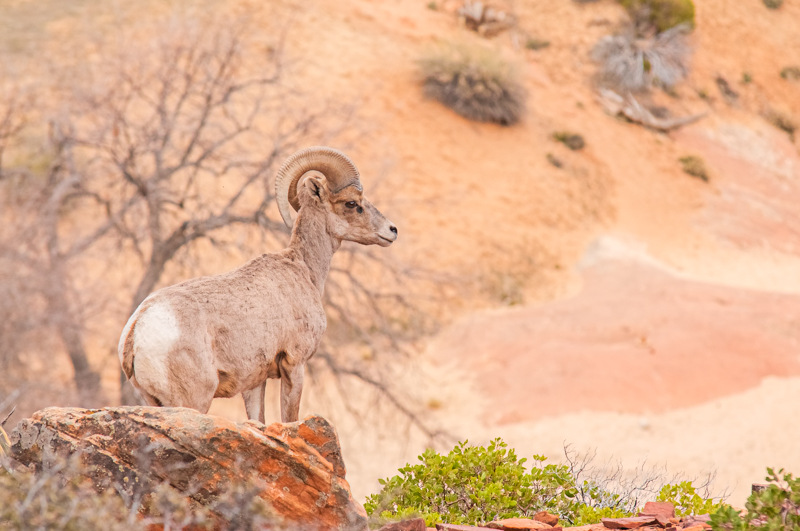
by Rich Leighton | Jul 3, 2018 | American Southwest, Interesting Nature Facts, Mammals, Natural History, Nature & Wildlife
Bighorn sheep were once widespread throughout western North America. By the 1920’s, bighorn sheep were eliminated from Washington, Oregon, Texas, North Dakota, South Dakota, Nebraska, and part of Mexico. Today, populations have been re-established through...
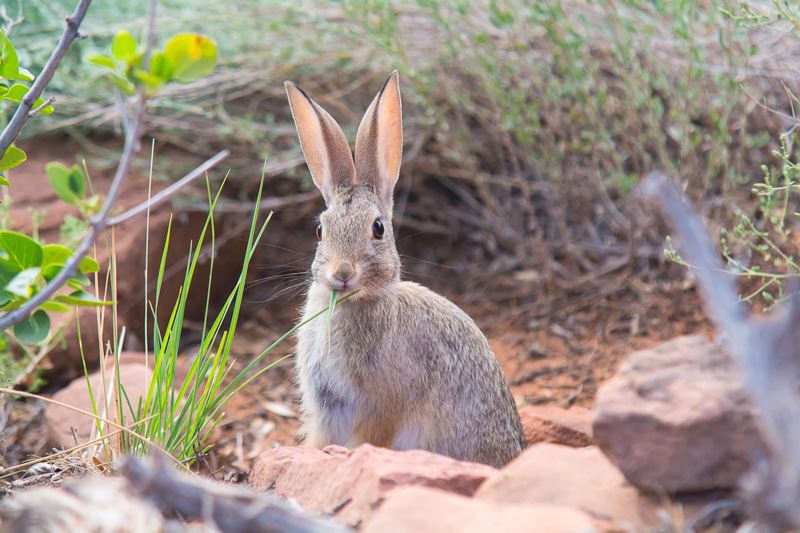
by Rich Leighton | Jun 28, 2018 | American Southwest, Interesting Nature Facts, Mammals, Natural History, Nature & Wildlife
To avoid overheating, desert cottontails have higher activity periods at night, light-colored fur to minimize absorption of solar heat, and large ears, with blood vessels just below the skin level, that can radiate body heat to the air. When temperatures climb above...









Recent Comments