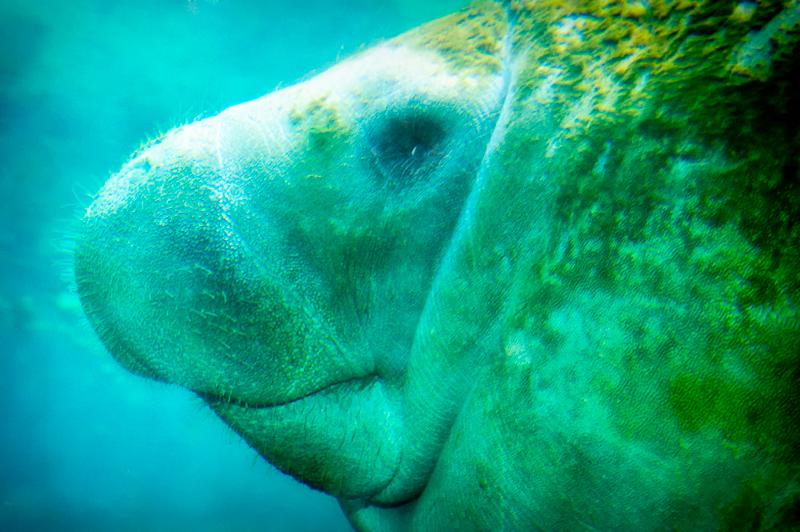
by Rich Leighton | Jun 23, 2018 | Florida, Florida Nature Photography, Interesting Nature Facts, Mammals, Natural History, Nature & Wildlife
Adult West Indian manatees have no incisor or canine teeth. Their cheek teeth are continuously replaced throughout life, with new teeth growing in the back as older front teeth fall out. MORE PHOTOS OF MAMMALS MORE INTERESTING NATURE FACTS Interesting Nature Facts is...
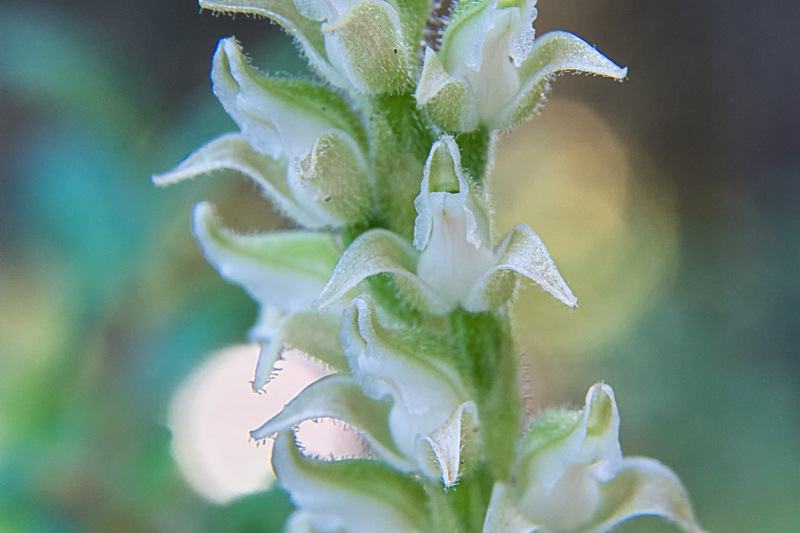
by Rich Leighton | Jun 18, 2018 | Interesting Nature Facts, Native Orchids, Natural History, Nature & Wildlife, Orchidaceae, Wildflowers
Giant Rattlesnake orchid (Goodyera oblongifolia) noted for its beautiful leaves is found throughout most of the Pacific Northwest has an interesting bit of folklore. Women of the Klallam Native American tribe used to rub the leaves of this plant on their bodies to...
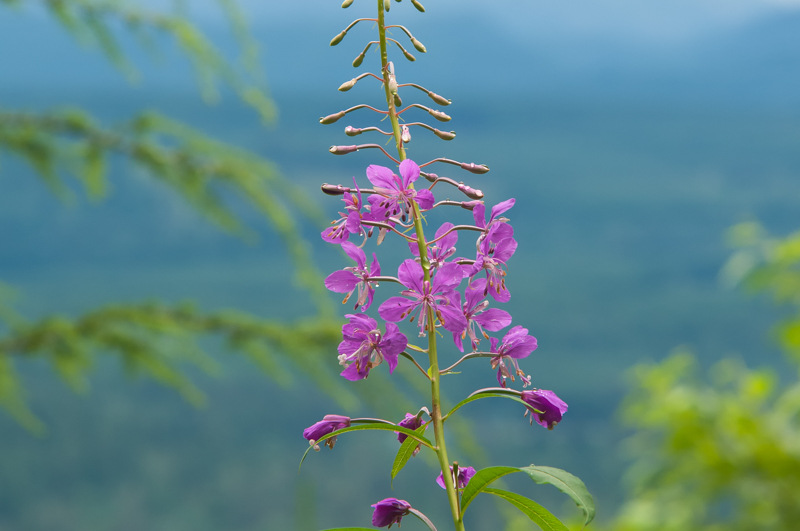
by Rich Leighton | Jun 13, 2018 | Interesting Nature Facts, Natural History, Nature & Wildlife, Onagraceae, Wildflowers
Fireweed is not only a very beautiful member of the evening primrose family that is commonly found throughout the northern hemisphere, it also has several edible uses! The inner stems are sweet and juicy, the young tender leaves are full of vitamin C and great as an...
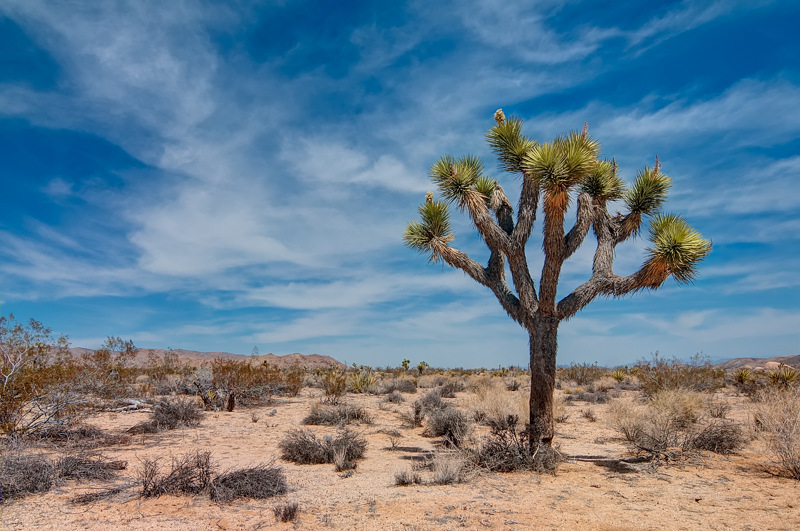
by Rich Leighton | Jun 8, 2018 | American Southwest, Asparagaceae, Interesting Nature Facts, Natural History, Nature & Wildlife, Wildflowers
One reason it is believed that this iconic yucca is losing habitat, and declining in numbers is in the fossil record of the recent extinction (in geological years) of the Shasta ground sloth, one of the giant sloths that went the way of the mammoths and other American...
by Rich Leighton | Jun 3, 2018 | Insects, Interesting Nature Facts, Invertebrates, Natural History, Nature & Wildlife
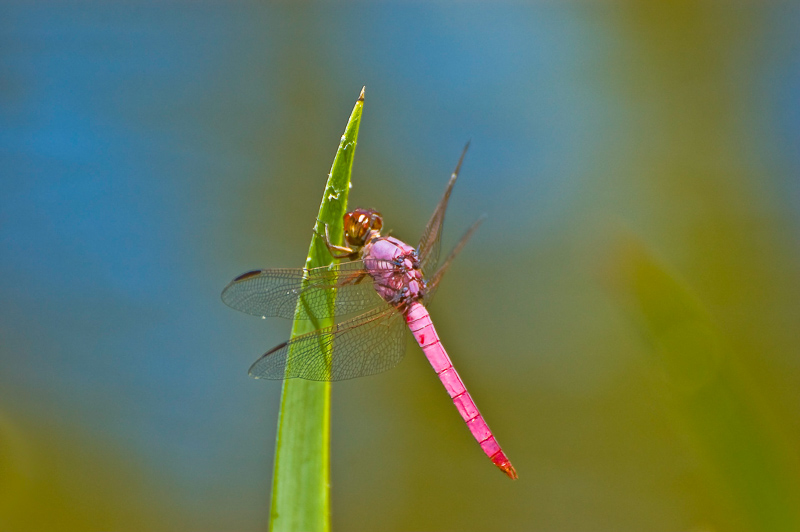
For every human there are 200 million insects, and there are more insects in the world than all other the animals combined. MORE PHOTOS OF INVERTEBRATES MORE INTERESTING NATURE FACTS Interesting Nature Facts is a series about the flora, fauna and places that make...
by Rich Leighton | May 29, 2018 | Interesting Nature Facts, Natural History, Nature & Wildlife, Nature Photography, Wildflowers
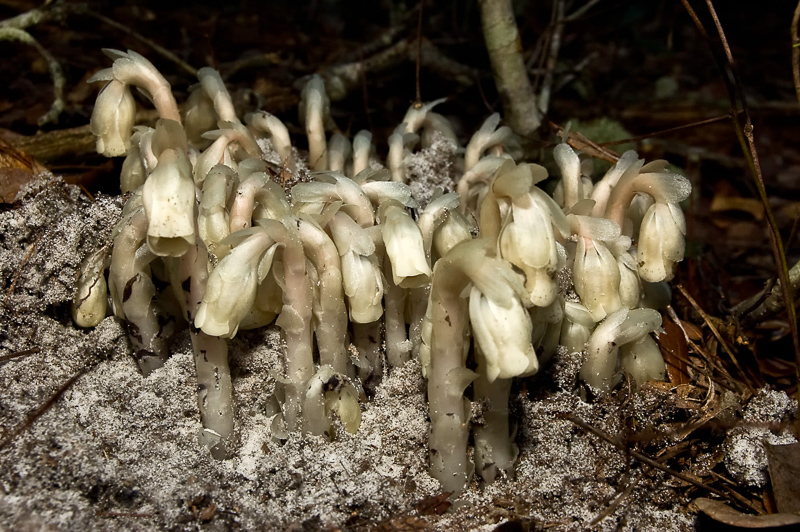
Often mistaken for orchids or “weird mushrooms,” Indian pipes are actually plants in the heath family. Lacking chlorophyll and a means to produce their own food like most plants, they form a symbiotic relationship with mycorrhizal fungi in the soil that helps them...


Recent Comments