by Rich Leighton | May 19, 2018 | Mammals, Natural History, Nature & Wildlife, Nature Photography
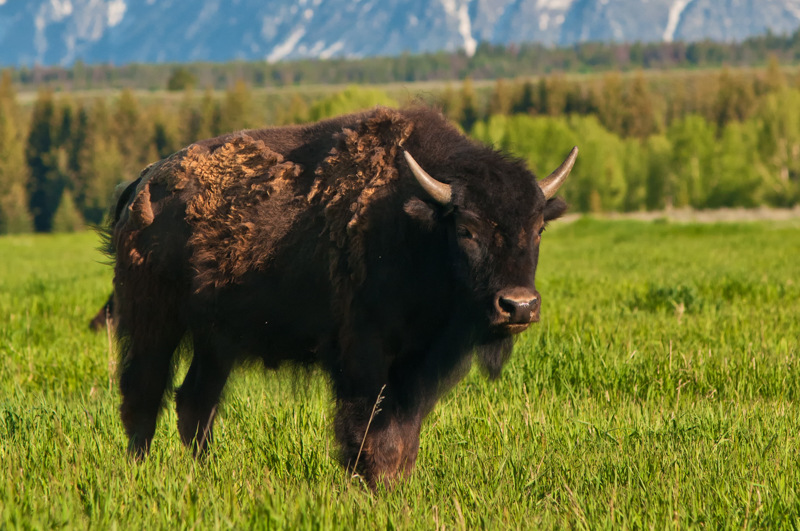
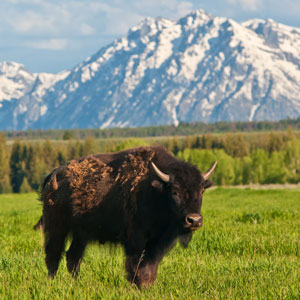
American bison were once hunted to near-extinction. Only 1,000 remained in 1890, down from 30 million bison less than a century earlier. MORE PHOTOS OF BISON, GOATS AND SHEEP MORE INTERESTING NATURE FACTS Interesting Nature Facts is a series about the flora, fauna and...
by Rich Leighton | May 14, 2018 | Birds, Florida, Interesting Nature Facts, Natural History, Nature & Wildlife
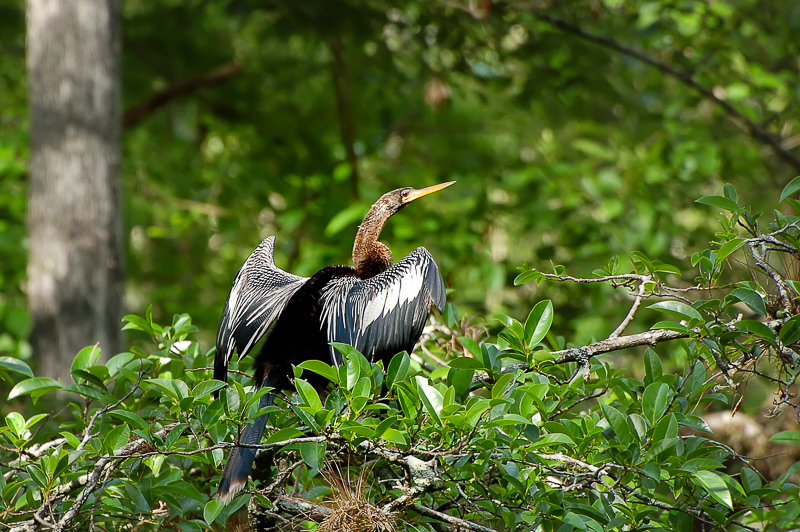
The anhinga is barely buoyant with dense bones and non-waterproof feathers, but because of this it can stay underwater more easily and hunt for longer periods of time. Afterwards it will stand with spread wings to dry its feathers. MORE PHOTOS OF ANHINGAS MORE...
by Rich Leighton | May 4, 2018 | American Southwest, Interesting Nature Facts, Landscape, Natural History, Texas
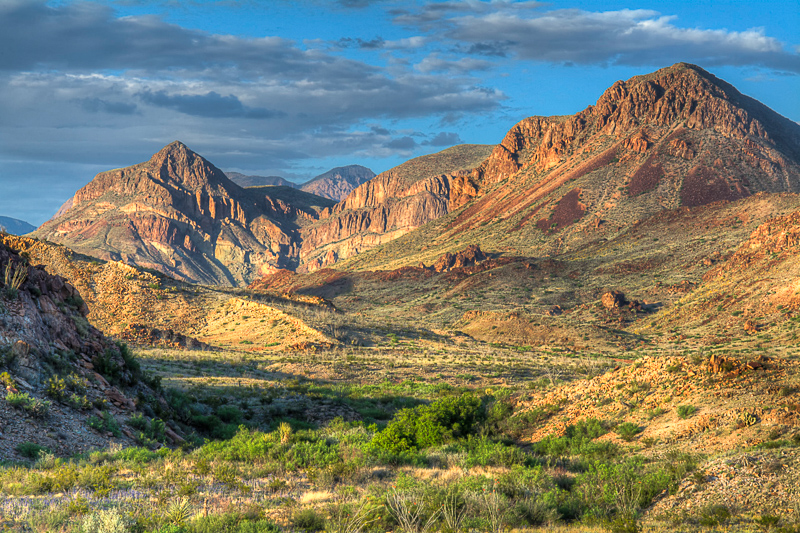
Big Bend National Park is located at the northern end of the Chihuahuan Desert. The Chihuahuan desert is the wettest of the four North American deserts, though it rarely receives more than 10 inches of rainfall. The rainy season in the desert is usually from mid-July...
by Rich Leighton | Apr 29, 2018 | Birds, Florida Nature Photography, Interesting Nature Facts, Natural History
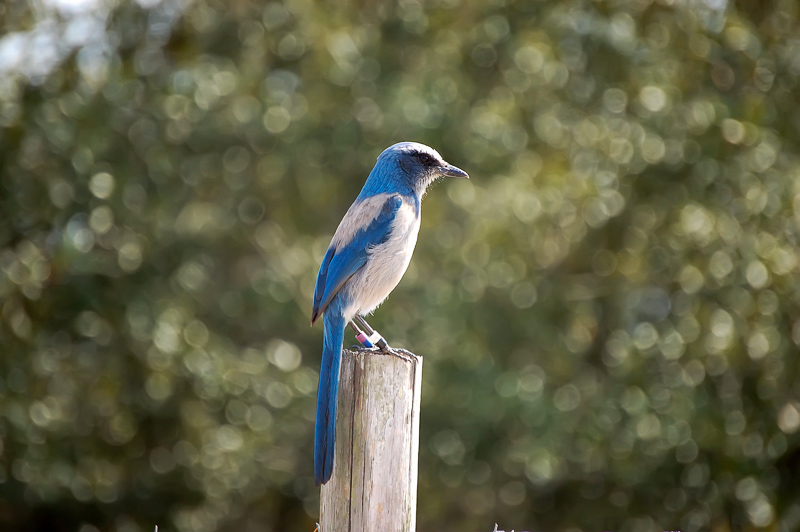
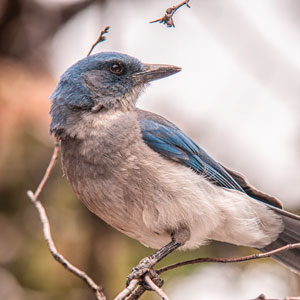
Corvids are one of the world’s smartest birds. These include ravens, crows, jays and magpies. In fact, the American crow can not only recognize and remember a human’s face, but can teach other crows to recognize a specific person they haven’t seen...
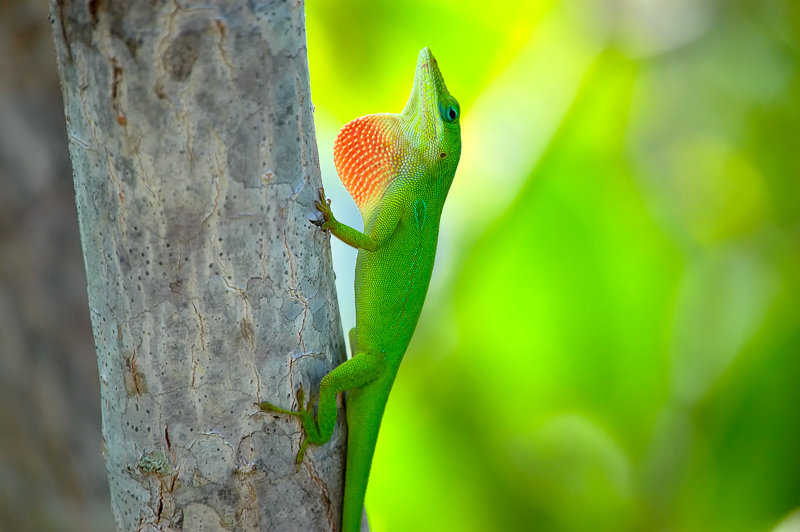
by Rich Leighton | Apr 24, 2018 | Florida Nature Photography, Herps, Interesting Nature Facts, Natural History, Reptiles
The green anole is a common lizard in the American Southeast, slender in build, with a narrow head and a long, slender tail that can be twice as long as the rest of the animal. Color can vary from gray-brown, to brown, to bright green. Each animal can change its color...
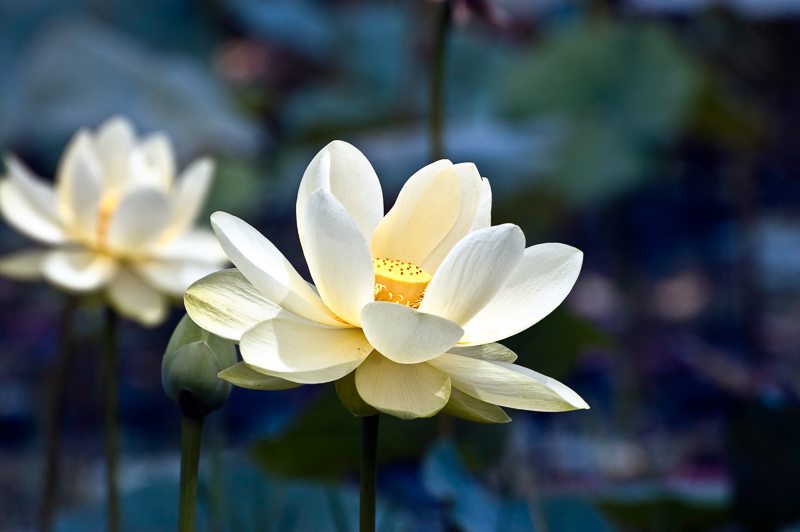
by Rich Leighton | Apr 19, 2018 | Interesting Nature Facts, Natural History, Wildflowers
The American lotus has extraordinarily large and beautiful pale yellow native aquatic wildflower has two amazing characteristics: one – the large circular lily pads (leaves) do not get wet on top, and water forms beads on top if splashed or rained on, but even...


Recent Comments