by Rich Leighton | Aug 26, 2020 | Florida Nature Photography, Insects, Interesting Nature Facts, Invertebrates, Natural History, Nature & Wildlife
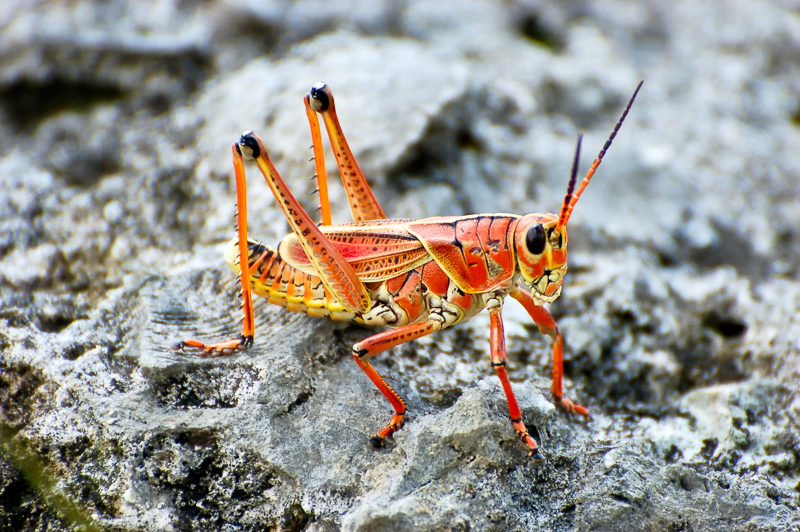
If you ever see one of these large 2 to 3-inch, slow-moving grasshoppers impaled on a thorn or barbed wire fence and can’t possibly figure out how it got there then here’s your answer: The loggerhead shrike often catches them and pins them in place until...
by Rich Leighton | Jul 27, 2020 | Interesting Nature Facts, Natural History, Nature & Wildlife, Washington, Wildflowers
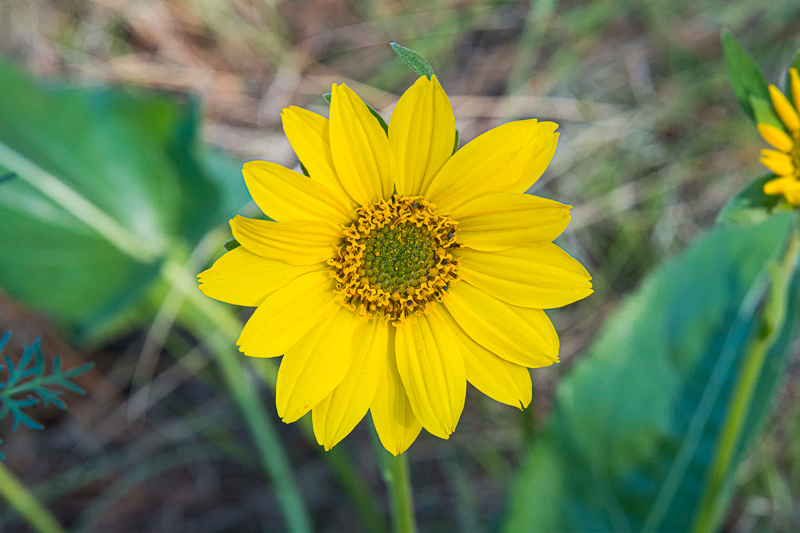
Sunflowers are known for their charm and brightness, and their name is actually very apt. Sunflowers love the sun, and their heads change direction to point toward the sun as it moves from east to west each day. MORE PHOTOS OF WILDFLOWERS MORE INTERESTING NATURE FACTS...
by Rich Leighton | Jul 22, 2020 | Florida Nature Photography, Georgia, Interesting Nature Facts, Natural History, Nature & Wildlife, Wildflowers
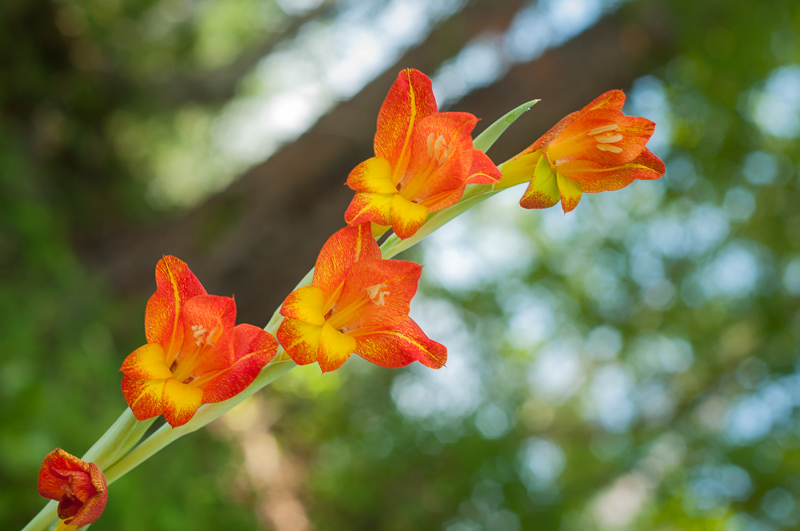
In Ancient Rome, a scientist was struck by the gladiolus’ resemblance to the swords gladiators used in battle. He named the bloom gladiolus after the Latin word for sword, “gladius”. MORE PHOTOS OF WILDFLOWERS MORE INTERESTING NATURE FACTS...
by Rich Leighton | Jul 7, 2020 | Florida Nature Photography, Interesting Nature Facts, Invertebrates, Natural History, Nature & Wildlife
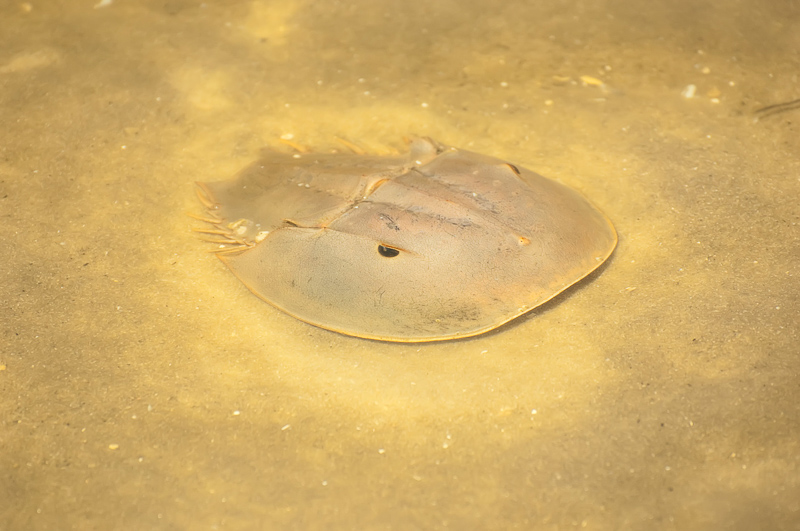
Horseshoe crabs are more closely related to arachnids (spiders & scorpions) than crabs. Among oldest animals on earth, spot them in shallow soft-bottom areas on the beach. Help upside-down crabs found by gently turning them over, picking up both sides of the body...
by Rich Leighton | Jun 23, 2020 | Interesting Nature Facts, Natural History, Nature & Wildlife, Wildflowers
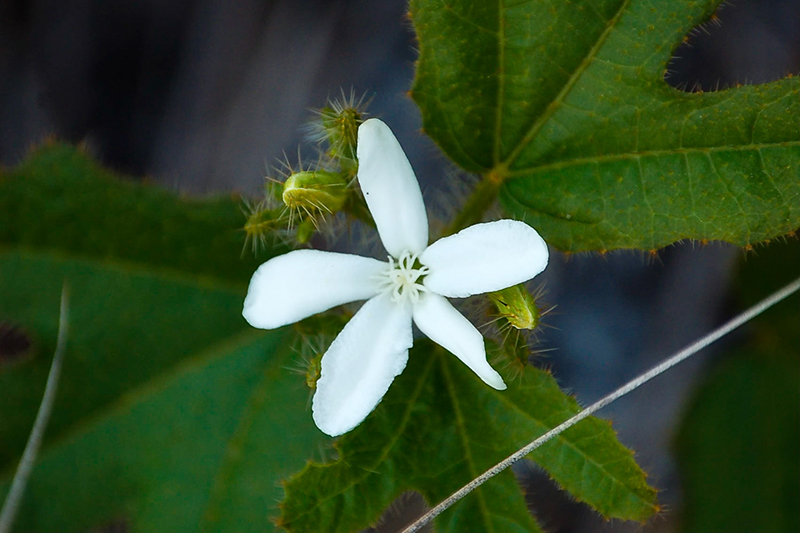
Can a plant me any more badass than tread softly (Cnidoscolus stimulosus)? It has stinging hairs like nettle, sticky latex and spiky leaves that release cyanide when damaged, and nectaries on its leaves that attract protective ants to their sugary sweetness. MORE...
by Rich Leighton | Jun 18, 2020 | Birds, Florida Nature Photography, Interesting Nature Facts, Natural History, Nature & Wildlife
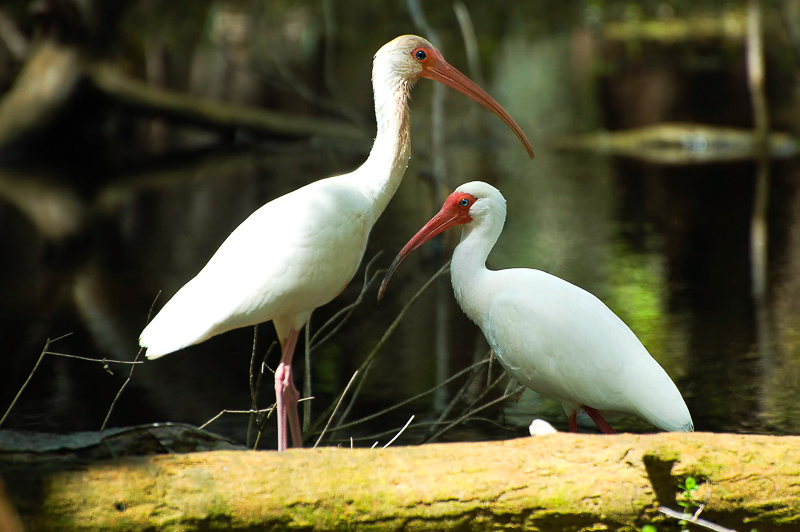
When baby white ibises hatch their bills are straight. Ibis bills don’t start to curve downward until they are 14 days old. MORE PHOTOS OF BIRDS MORE INTERESTING NATURE FACTS Interesting Nature Facts is a series about the flora, fauna and places that make North...



Recent Comments