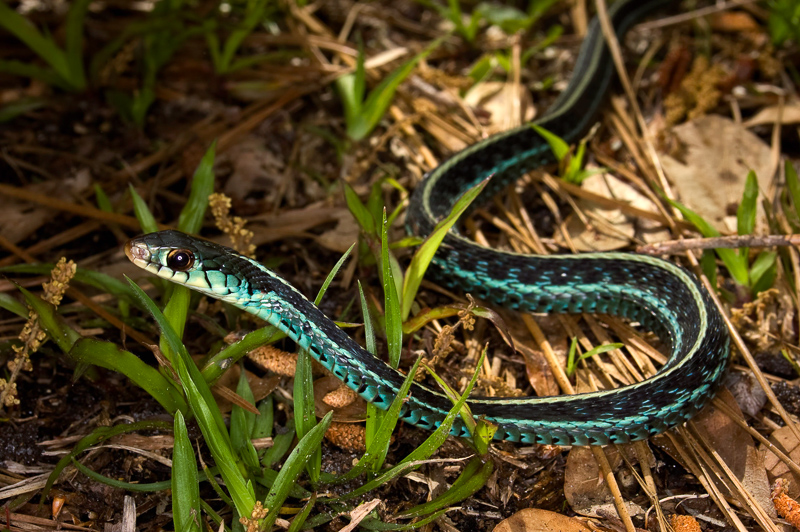
by Rich Leighton | Apr 28, 2020 | Florida, Herps, Interesting Nature Facts, Natural History, Nature & Wildlife, Reptiles
Unlike most land-dwelling vertebrates that have a pair of lungs, snakes have one long lung. MORE PHOTOS OF SNAKES MORE INTERESTING NATURE FACTS Interesting Nature Facts is a series about the flora, fauna and places that make North America so amazing. Posts include...
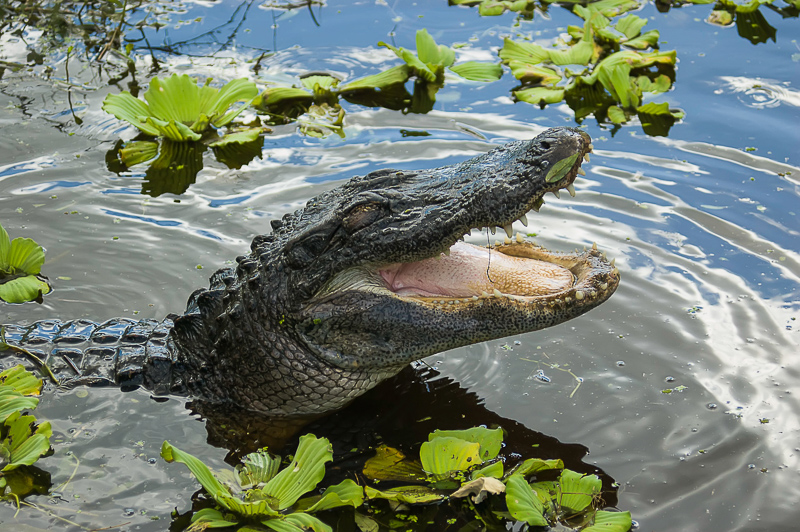
by Rich Leighton | Mar 28, 2020 | Florida Nature Photography, Herps, Interesting Nature Facts, Natural History, Nature & Wildlife, Reptiles
Most reptiles have 3-chambered hearts, but the heart of alligators, and all other crocodilians, has 4 chambers – a trait shared with mammals and birds. MORE PHOTOS OF ALLIGATORS MORE INTERESTING NATURE FACTS Interesting Nature Facts is a series about the flora, fauna...
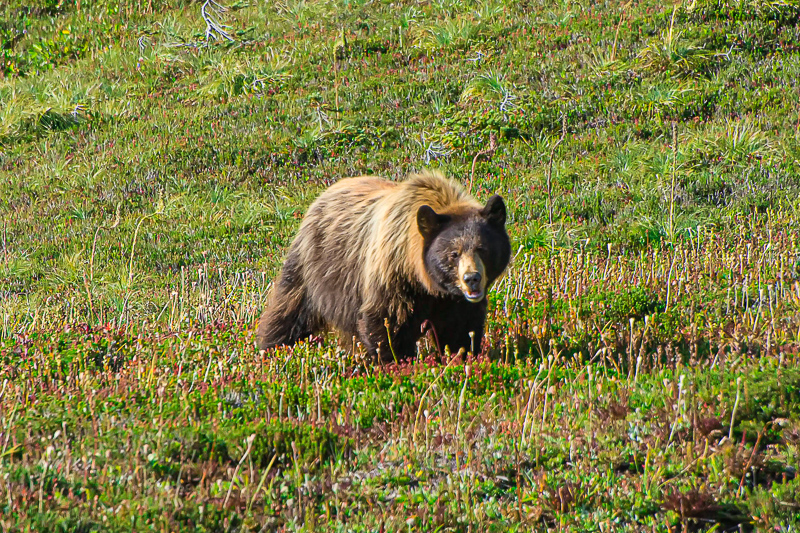
by Rich Leighton | Mar 23, 2020 | Interesting Nature Facts, Mammals, Natural History, Nature & Wildlife, Washington
Bears are the only mammals that do not pee or poop for the entire time they are in their winter sleep. In fact, by studying the way bears recycle urine, doctors have been able to help human patients with kidney failure. MORE PHOTOS OF MAMMALS MORE INTERESTING NATURE...
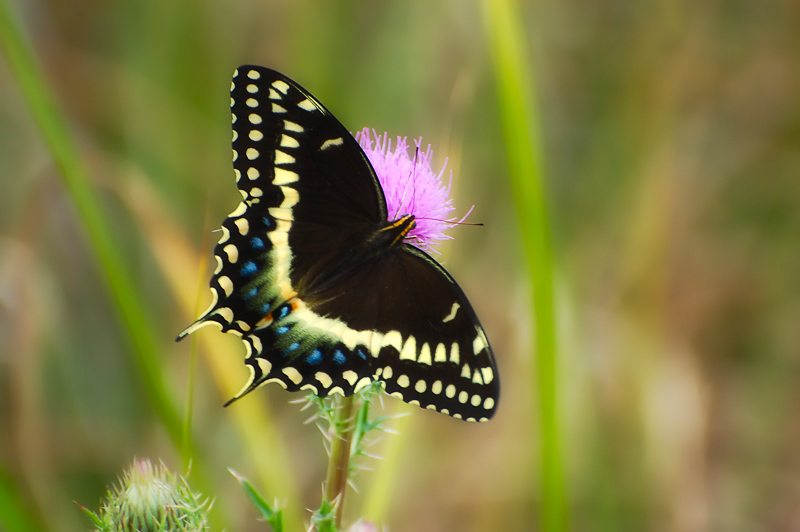
by Rich Leighton | Mar 18, 2020 | Butterflies, Insects, Interesting Nature Facts, Invertebrates, Natural History, Nature & Wildlife
Most adult butterflies can’t bite or chew. They eat mainly liquids like nectar, sap, juices from fruits, and sometimes even fluids from carcasses. They have a long, tube-like tongue called a proboscis, which works like a straw to suck up liquid. When...
by Rich Leighton | Mar 13, 2020 | Butterflies, Insects, Interesting Nature Facts, Invertebrates, Natural History, Nature & Wildlife
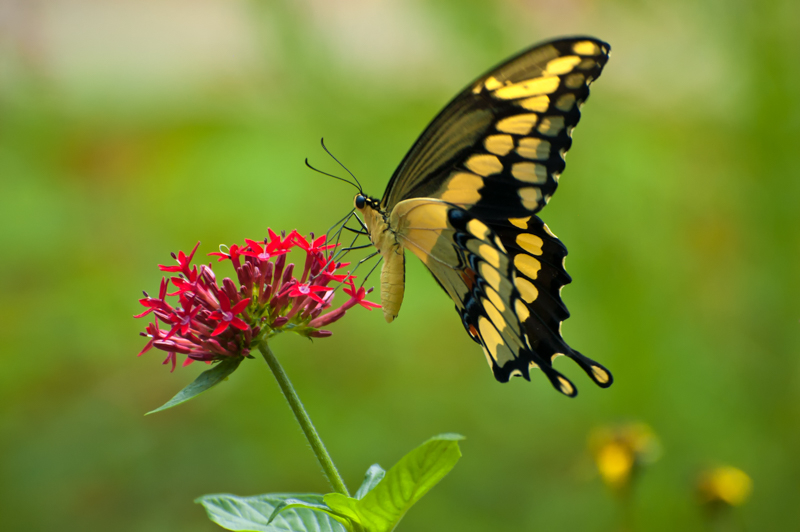
Butterflies taste with their feet and have a suction tube for a mouth. Their eyes are made of 6,000 lenses and can see ultraviolet light! MORE PHOTOS OF BUTTERFLIES MORE INTERESTING NATURE FACTS Interesting Nature Facts is a series about the flora, fauna and places...

by Rich Leighton | Feb 27, 2020 | Interesting Nature Facts, Landscape, Natural History, Nature & Wildlife
Despite seeming deserted, deserts often have an incredibly diverse ecosystem. In fact, the only other places on earth with more diverse ecosystems than deserts are rain forests. Deserts are often home to a variety of plants, mammals, reptiles and insects. MORE PHOTOS...




Recent Comments