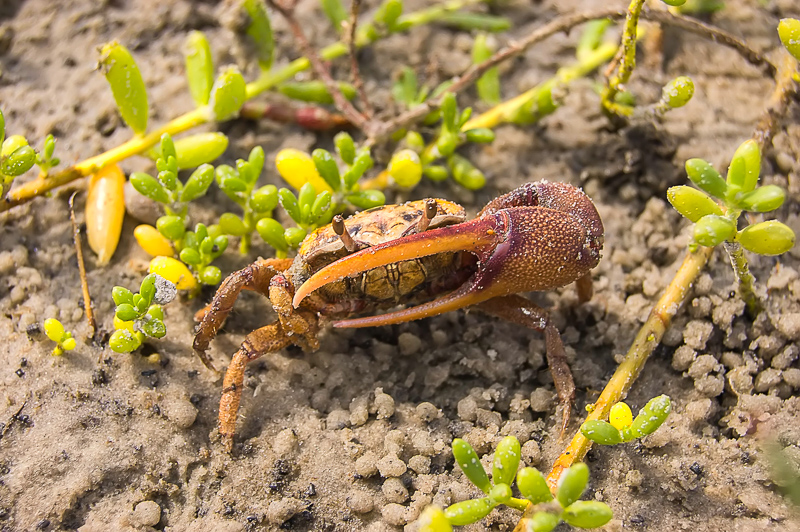
by Rich Leighton | Oct 6, 2018 | Interesting Nature Facts, Invertebrates, Natural History, Nature & Wildlife, Nature Photography
Fiddler crabs are the most common crab in a salt marsh and they play an important role in the salt marsh community. They eat detritus (dead or decomposing plant and animal matter) and are themselves food for a number of wetland animals. In Spanish, the fiddler crab is...
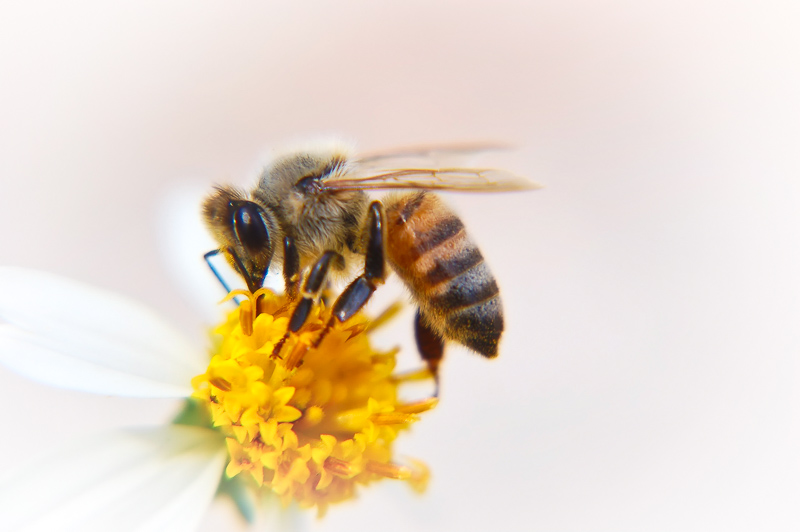
by Rich Leighton | Oct 1, 2018 | bees, Insects, Interesting Nature Facts, Invertebrates, Natural History, Nature & Wildlife
Bees have two stomachs: one regular stomach and one stomach for storing nectar. When full, the bee doubles its weight. MORE PHOTOS OF INVERTEBRATES MORE INTERESTING NATURE FACTS Interesting Nature Facts is a series about the flora, fauna and places that make North...
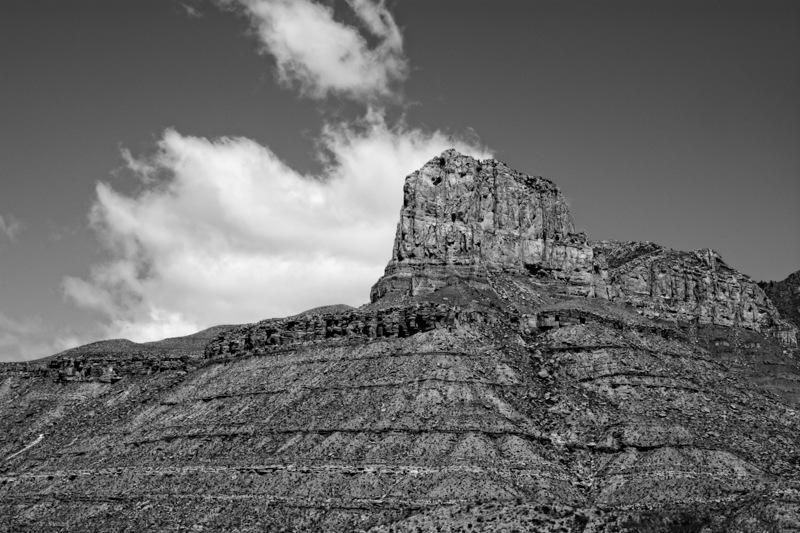
by Rich Leighton | Sep 26, 2018 | Interesting Nature Facts, Landscape, Natural History, Nature & Wildlife, Texas
The Guadalupe Mountains just East of El Paso, Texas are part of one of the finest examples of an ancient marine fossil reef on Earth. Geologists come here from around the world to marvel at this extraordinary natural phenomenon, which formed approximately 250 million...
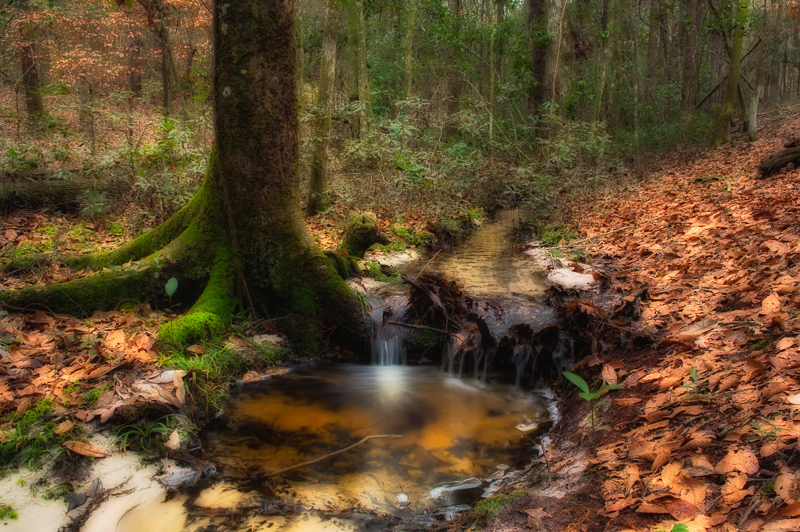
by Rich Leighton | Sep 21, 2018 | Florida, Interesting Nature Facts, Landscape, Natural History, Nature & Wildlife, Trees
Sound fades in forests, making trees a popular natural noise barrier. The muffling effect is largely due to rustling leaves — plus other woodland white noise, like bird songs — and just a few well-placed trees can cut background sound by 5 to 10 decibels, or about 50...
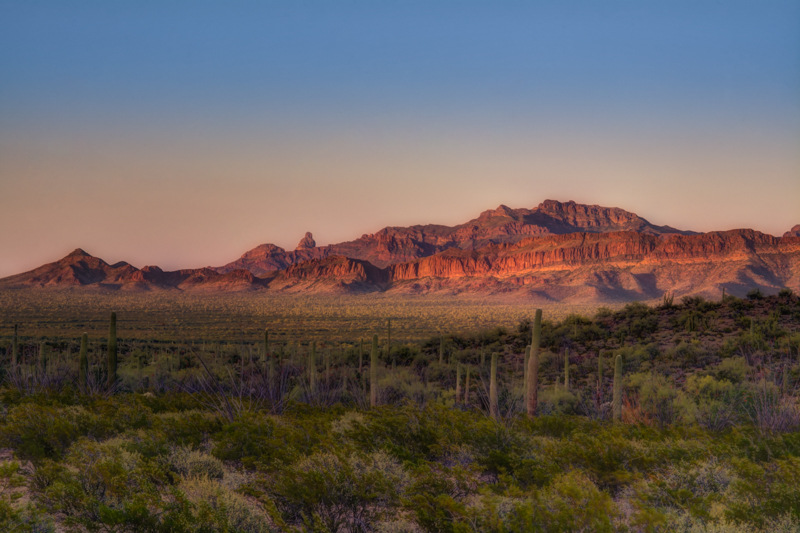
by Rich Leighton | Sep 16, 2018 | American Southwest, Arizona, Interesting Nature Facts, Landscape, Natural History, Nature & Wildlife
The Sonoran Desert is the hottest and most biodiverse of the North American deserts, and home to 60 species of mammals, more than 350 kinds of birds, 20 amphibians, around 100 reptiles and over 2000 native species of plants. MORE PHOTOS FROM THE SONORAN DESERT MORE...
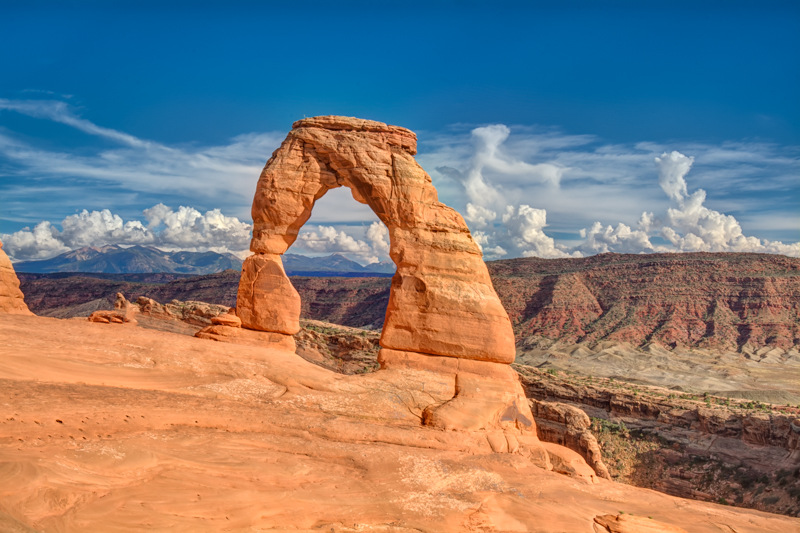
by Rich Leighton | Sep 11, 2018 | American Southwest, Interesting Nature Facts, Landscape, Natural History, Nature & Wildlife, Utah
The Moab Desert in eastern Utah has a very interesting history and ecosystem. The human history can be traced back over 10,000 years, and the first signs of humans appeared as signs carved into indigenous rock formations found in several places. Hundreds of species of...



Recent Comments