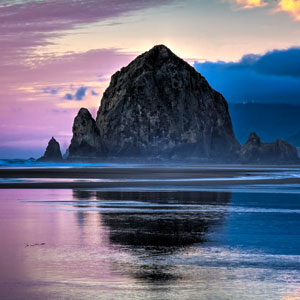
From the rocky coasts of the Pacific Northwest’s mighty Pacific Ocean to the tops of the Canadian Rockies, through Florida Everglades’ River of Grass and across the painted deserts of the American Southwest then over the Appalachian Mountains … these galleries have a little bit of everything that the best of North American landscapes can offer.
Brushfoots
Gossamer Wings
Swallowtails
Skippers
Sulphurs and Whites
Moths
Metalmarks
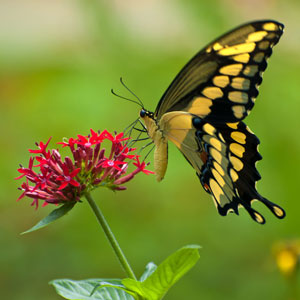
North America is wildly rich in butterflies and moths. In the United States and Canada alone, there are roughly 750 species of butterflies and a whopping 11,000 species of moths! With careful and painstaking research, more new species are still being discovered all the time!
Birds A-M
Birds N-W
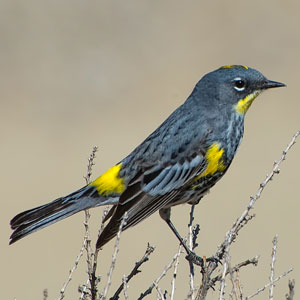
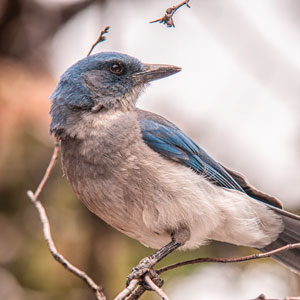
When it comes to birds, North America is fantastically rich in native species diversity. While some species are found all around the world, the vast majority are found only here and nowhere else.
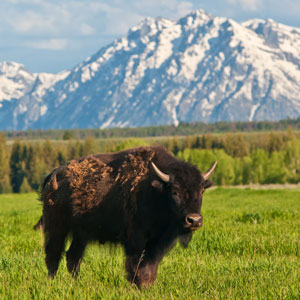
Bison, Goats, Sheep
Squirrels, Chipmunks
Deer and Elk
Rabbits, Hares, Pikas
Rats, Mice, Voles
Seals and Sea Lions
Foxes, Wolves
Raccoons
Pigs
Pronghorns
Armadillos
Manatees
Bears
Weasels, Otters, Badgers
We mammals have come a long way since the time of the dinosaurs. We’ve conquered the land, sea and air. North America has more than 740 species alive today.
Dragonflies
Grasshoppers
Arachnids
Insects
Marine Invertebrates
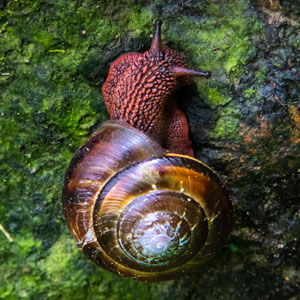
Snails, Mollusks
Crustaceans
Myriapods
96% of all currently living animal lifeforms alive today are invertebrates. Included are all the insects, arachnids, worms, crabs, shellfish, starfish, corals, and more! One thing they all have in common? No backbone.
Alligators, Crocodiles
Lizards
Snakes
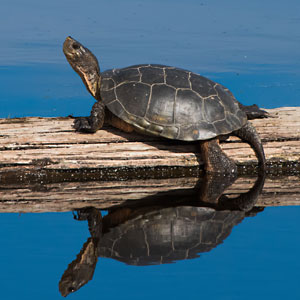
Turtles, Tortoises
Long before the first dinosaur walked the earth, reptiles ruled the world. 65 million years after the last dinosaur drew its final breath, North America’s modern crocodiles, alligators, snakes, lizards, and turtles and tortoises are still keeping our native natural history alive!
Tree Frogs
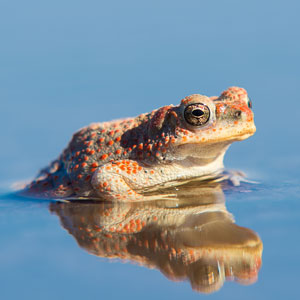
Toads
Spadefoots
True Frogs
Salamanders
Did you know the word “amphibian” means “two lives”? All amphibians start their lives in the underwater, but after they go through a series of metamorphosis stages to adulthood, most trade gills for lungs and live the rest of their lives out of the water.
Arethuseae
Calypsoeae
Cranichideae
Cymbidieae
Cypripedieae
Epidendreae
Malaxideae
Maxillarieae
Neottieae
Orchideae
Pogoniinae
Polystachyeae
Triphoreae
Vandeae
Vanilleae
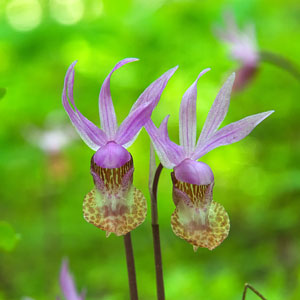
One of the largest families in the plant kingdom with nearly 28 thousand species around the globe, orchids are also one of the most popular and most sought-after flowering plants in history. In Victorian times, entire foreign expeditions were sent around the world at great personal risk led by fearless (and often ruthless) orchid hunters to acquire the next new unknown exotic species from the most distant corner of the Earth. Luckily for us, North America is rich with unique native species found nowhere else in the world!
Wildflowers by Color
Wildflowers by Family
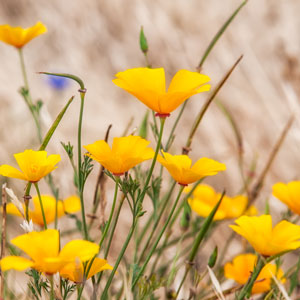
By far our largest collection of galleries, these wildflower image sets are arranged by both color and by taxonomic family for use as a casual identification tool or field guide, or for more thorough scientific research for deeper understanding.
Pitcher Plants
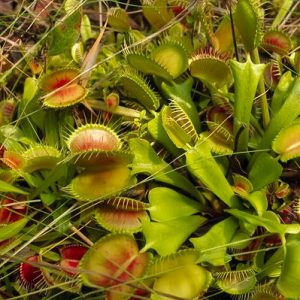
Venus Flytraps
Bladderworts
Butterworts
Sundews
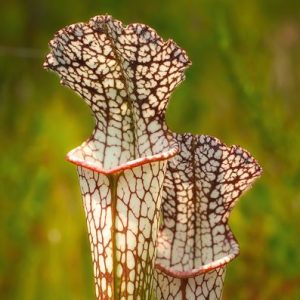
Sometimes called insectivorous plants, these amazing plants have adapted to a life in places where the soil is so poor in nutrients, that they’ve gained the ability to grow by trapping their food with modified leaves. By taking root in a harsh habitat, they have eliminated most of their competition from other plants.
Light-spored Gilled Mushrooms
Brown-spored Gilled Mushrooms
Dark-spored Gilled Mushrooms
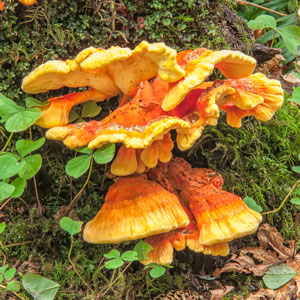
Polypore and Crust Fungi
Morels
Jelly-like Fungi
Unique & Unusual Mushrooms
Puffballs
Club, Coral and Fan-like Fungi
Cup-fungi
Boletes
Lichens
Slime Molds
Without the enormous and nearly invisible world of fungi, there would be no forests or plants as we know them, no animals living, feeding and hunting in the forests and nothing to break down what organic matter is left. It’s this wonderful (and often weird) group that keeps nutrients moving and cycling through our world’s ecosystems.
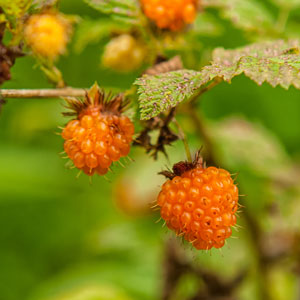
Fruits and Berries
Cacti
Ferns
Bromeliads
Agaves and Yuccas
Palms
Saprophytes
Mosses
Horsetails
Deciduous Trees
Coniferous Trees
Botanical Images
This last and final collection of galleries include all the non-wildflower images such as our native trees, ferns, palms, fruits and berries, cacti, saprophytes, mosses, bromeliads and more!
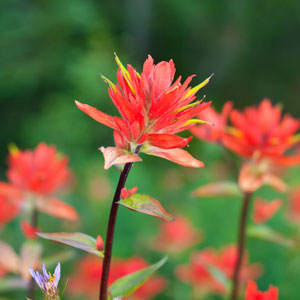
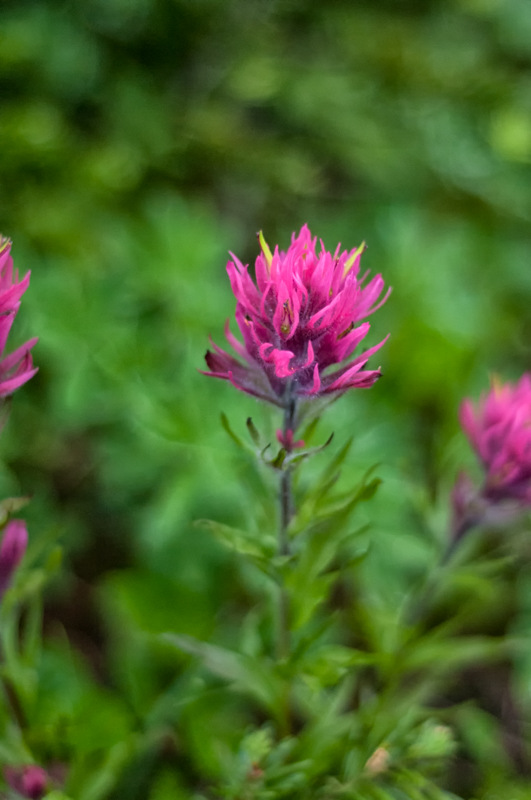
I find that the more I travel around the Western United States in search of rare native wildflowers and orchids, the more my curiosity and fondness grows for members of the genus Castilleja. Commonly known as Indian paintbrushes, these beautiful and variable...
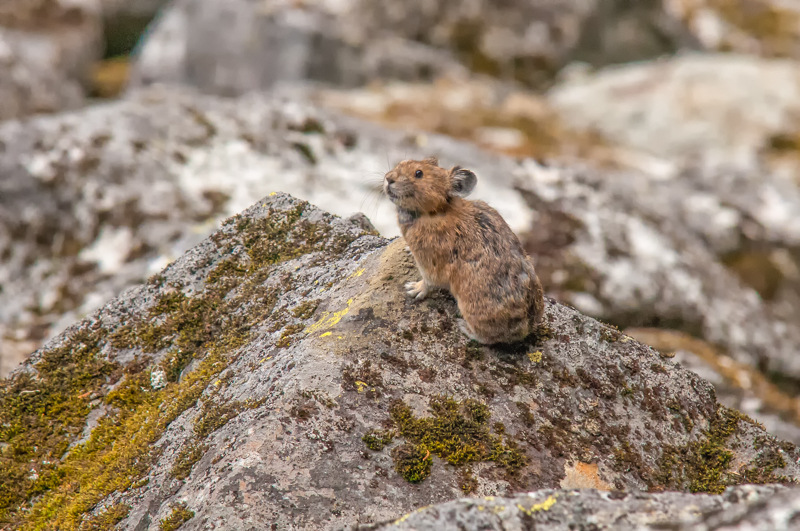
Yesterday afternoon and into the evening, I was on a family hiking trip as opposed to a serious photography trip to the Northern Cascades near the Washington/British Columbia border where I ran into a colony of American pikas on a subalpine hillside near Cascade Pass....
No matter where you live or travel in the entire world, one of the most common types of mammal you are going to encounter are squirrels (with the exception of Antarctica and the Arctic Circle). There are more than 200 species that not only live, but thrive in just...
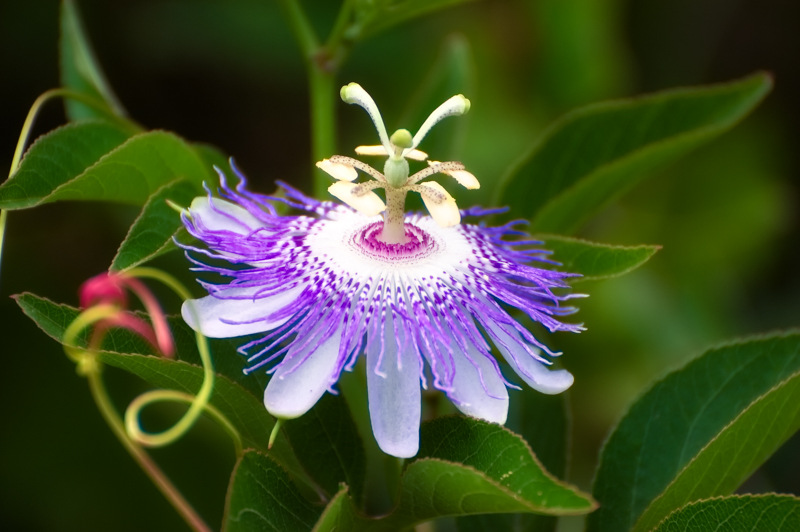
Over the past decade, the amount of native North American native wildflowers in our ever-growing photo galleries has reached the point to where we can’t reasonably split and categorize them just by color. It started to look disorganized, confusing, and more than a...
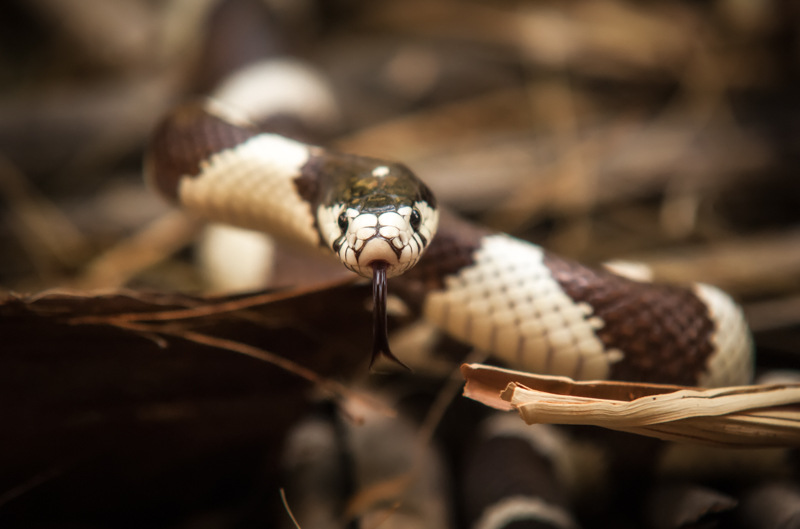
*As I was putting together images for this post, and finishing up editing my images of the California kingsnake, "Like a California King" by Everclear just happened to start playing on iTunes by sheer coincidence, so it became the title of this post. Somehow I had the...
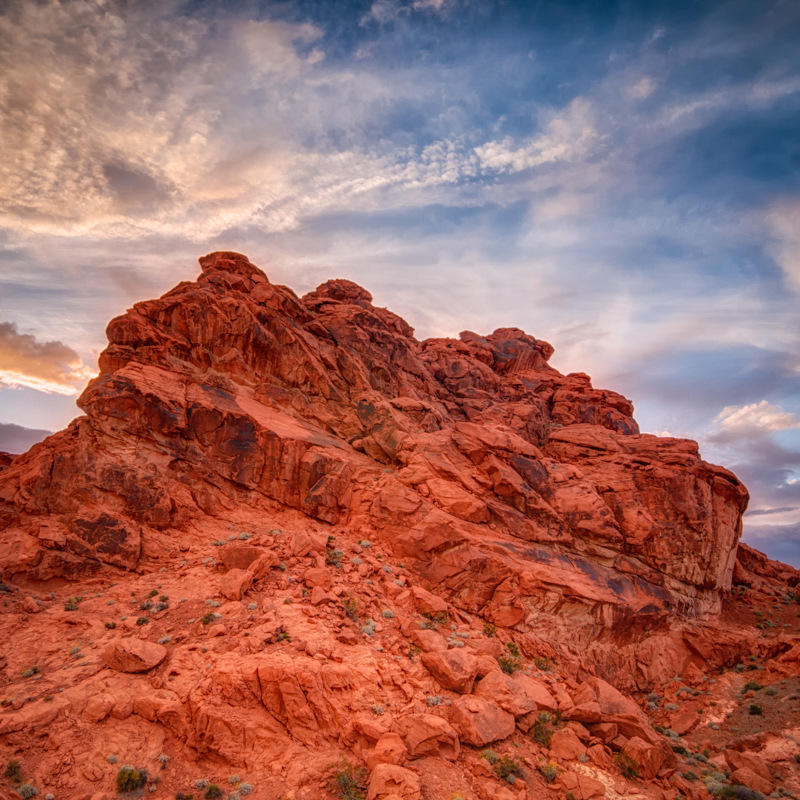
Valley of Fire, Nevada April 5, 2013, 4AM First night in the desert after flying from Seattle to Las Vegas earlier in the day. Spent the night in the car as it got dark while hiking and was too tired to set up the tent. Windows rolled down, the wind through the rocks...
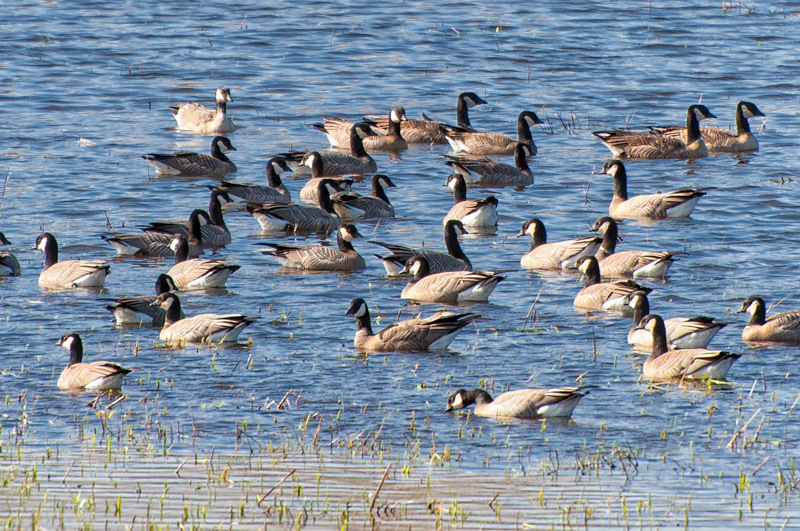
Last week I spent an absolutely freezing morning at the Nisqually National Wildlife Refuge just outside of the capital city of Olympia, Washington. Located at the mouth of the Nisqually River, which originates far up Mount Rainier, it is made up of both precipitation...
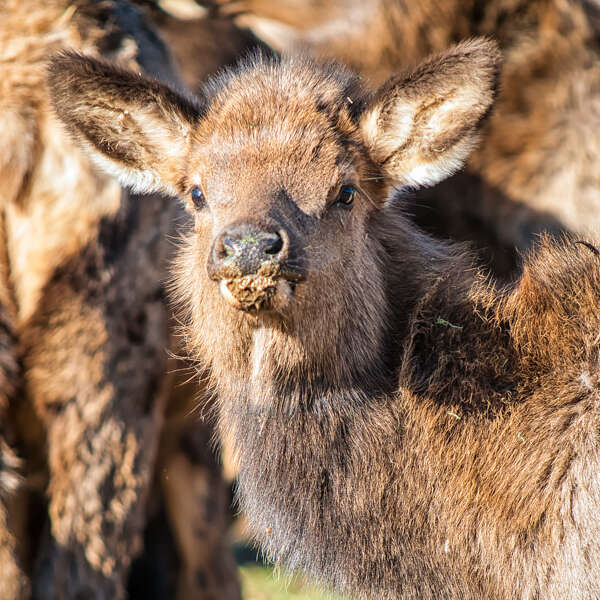
If you are a parent, then you know this face well - this very young elk calf is a sloppy eater! I photographed this wild herd yesterday in the Eastern Cascade Mountains near Yakima, Washington on a sunny, cold winter afternoon. Baby Elk ~ click to enlarge ~ ...
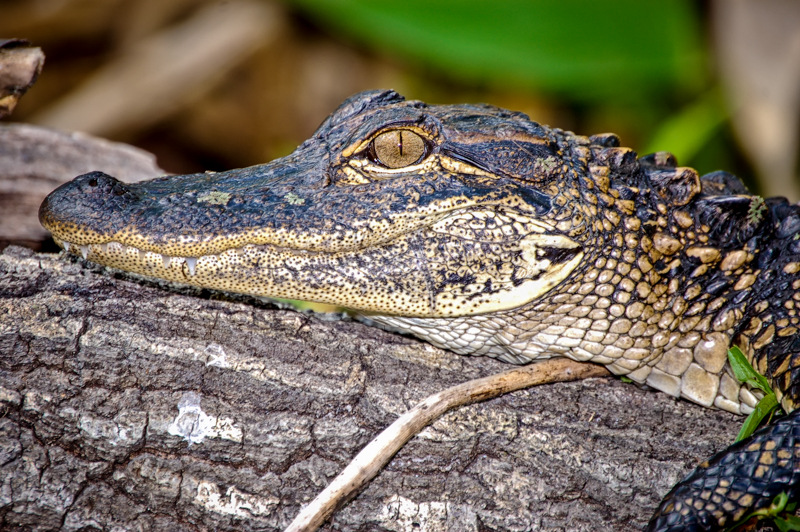
Every once in a while I go through my old images and find one I can't believe I missed..... but better late than never! American Alligator ~ click to enlarge ~ In some parts of the Fakahatchee Strand in the northwestern Florida Everglades, it is very common to wade...
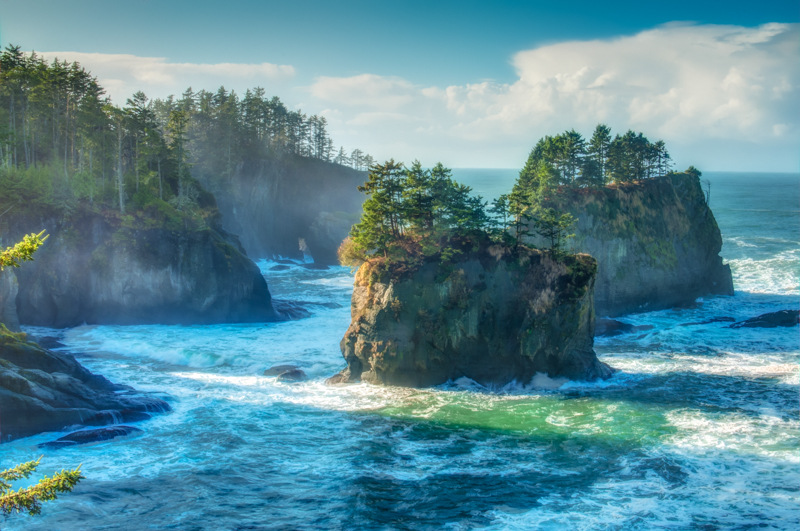
The rocky coastline of Cape Flattery is located at the most extreme northwestern corner of the contiguous United States on the Olympic Peninsula, where the Pacific Ocean joins the Strait of Juan de Fuca. Millennia of pounding waves, tides and erosion have sculpted the...


Recent Comments